
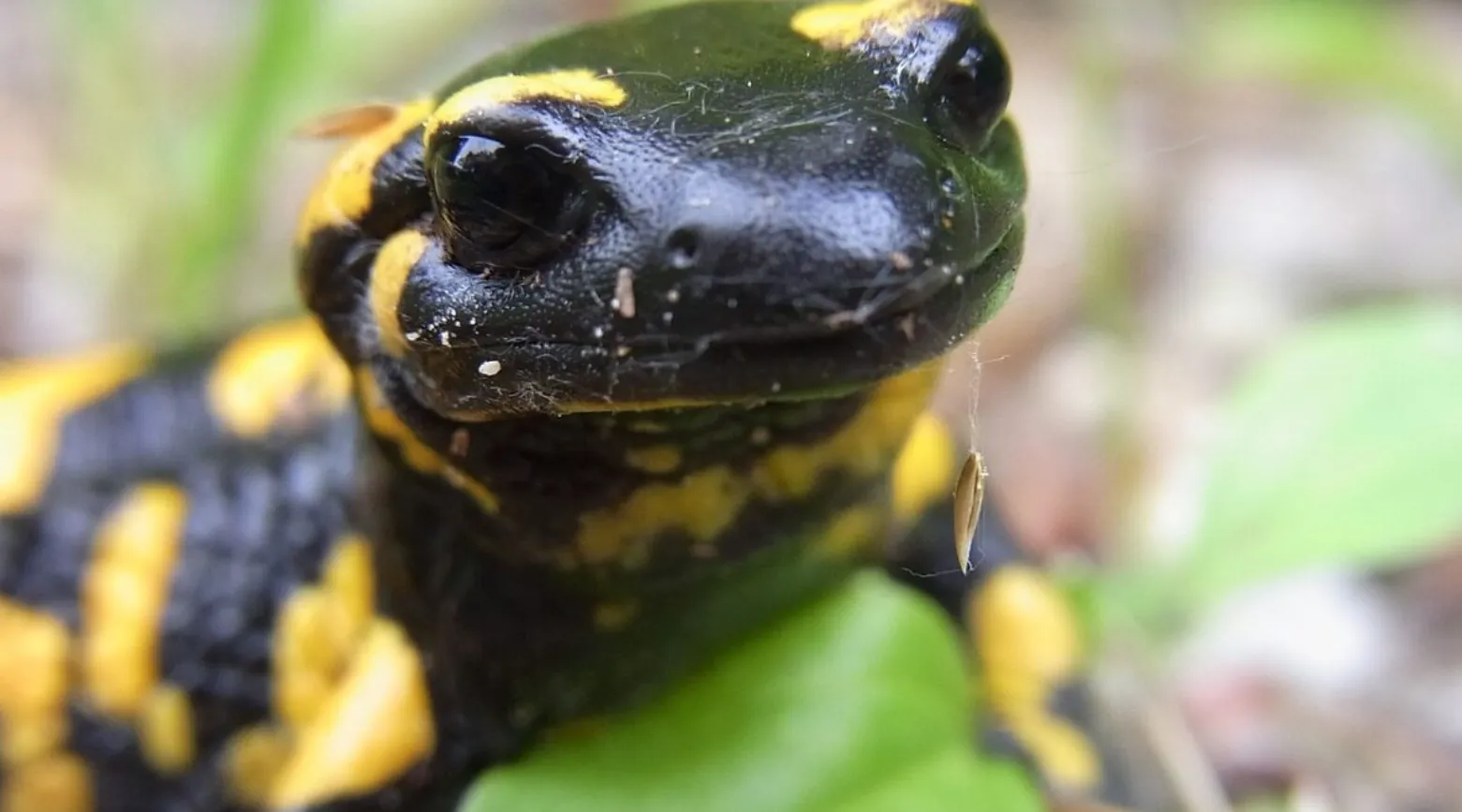
Salamanders are fascinating creatures known for their unique biological traits, including regeneration abilities and diverse life stages. Whether you’re interested in the tiger salamander or the giant salamander, or simply curious about salamanders in nature, understanding their life cycles is essential to understanding their role in the ecosystem.
Quick Answers to Common Questions:
- What is the salamander life cycle?
- The life cycle of a salamander typically consists of four stages: egg, larva, juvenile, and adult. These stages vary among species, but all salamanders undergo metamorphosis from aquatic larvae to land-dwelling adults.
- How long do salamanders live?
- Salamanders can live anywhere from 6 to 20 years, depending on the species. The Chinese giant salamander, for example, can live up to 60 years.
- What do salamanders eat?
- Salamanders are carnivorous and feed on insects, worms, and small invertebrates. They play an important role in controlling insect populations in their habitats.
Quick Life Cycle Table
| Stage | Duration | Description |
| Egg | 2–4 weeks | Laid in water, the eggs hatch into larvae. |
| Larva | 2–6 months | Aquatic, with gills for underwater respiration. |
| Juvenile | 1–3 years | Transition from water to land, with developed limbs. |
| Adult | 6–20 years | Fully mature, with the ability to regenerate limbs. |
The History of Their Scientific Naming
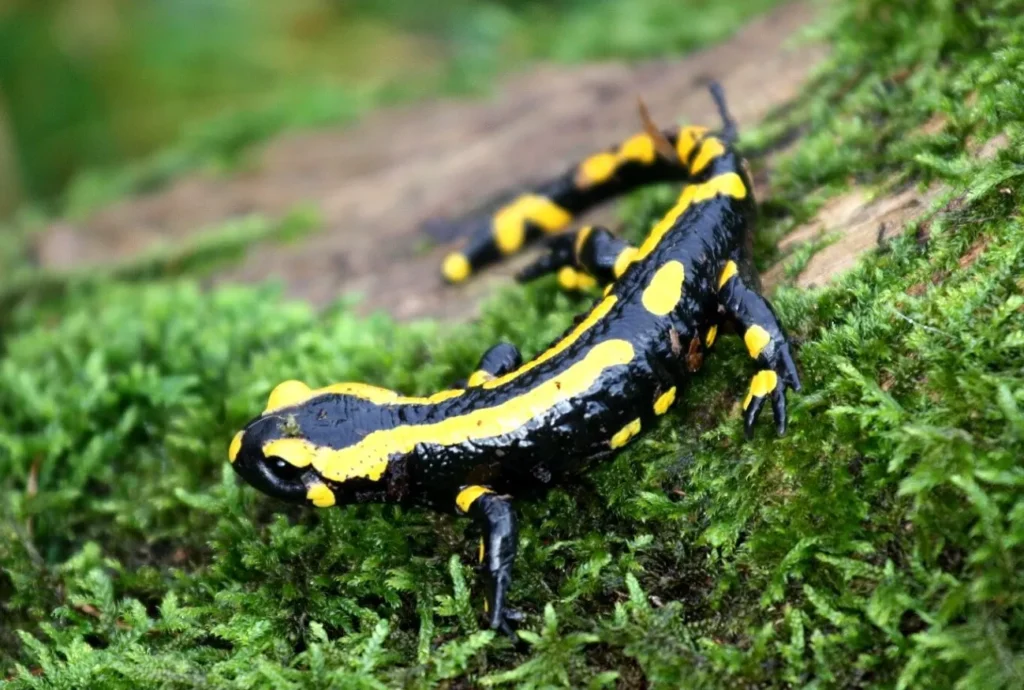
The scientific name of the salamander has a rich history: the term “salamander” derives from the Greek word “salamandra,” meaning “fire lizard.” The tiger salamander, for instance, was named for its yellow-and-black striped pattern, resembling a tiger’s stripes. Similarly, the Chinese giant salamander was named for its enormous size and its endemic habitat in China’s river systems.
The naming of these species often reflects their appearance or location. Historically, salamanders were believed to possess magical properties, as they were often seen emerging from fire, leading to their association with fire in many cultures.
Their Evolution and Their Origin
Salamanders are ancient amphibians, believed to have evolved around 170 million years ago, during the Jurassic period. Their closest relatives are frogs and toads, though salamanders belong to the order Caudata. They first appeared in the Northern Hemisphere, where their evolution was influenced by climate change and the spread of freshwater bodies.
The giant salamander species, particularly the Chinese giant salamander, is among the oldest amphibians, dating back more than 200 million years. Over time, salamanders adapted to a variety of habitats, from temperate forests to wetlands, and some species have even adapted to life in caves. These remarkable creatures have evolved unique abilities, such as limb regeneration and breathing through their skin, which have allowed them to survive in changing environments.
The fossil record shows a vast diversity of salamander species once inhabiting Earth, but today, many species are endangered due to habitat destruction and climate change. Despite this, salamanders have managed to maintain a unique ecological niche.
Their Main Food and Its Collection Process
Salamanders are carnivorous and primarily eat invertebrates such as insects, earthworms, and small aquatic organisms. The feeding process begins with the salamander detecting its prey using its keen sense of smell and vision. Salamanders often hunt by waiting quietly in a damp location, ambushing their prey when it comes within reach.
- Land Salamanders: They typically hunt small insects like ants, beetles, and crickets.
- Aquatic Salamanders: They feed on aquatic invertebrates like snails, aquatic worms, and small fish larvae.
- Juvenile Salamanders: They are more opportunistic feeders and may consume a wider range of smaller organisms.
This feeding behavior allows salamanders to regulate insect populations in their ecosystems, making them a key species in maintaining ecological balance.
Their Life Cycle and Ability to Survive in Nature
The Salamander Life Cycle: Key Stages of Survival
Salamanders have an impressive ability to adapt to various environmental conditions. From their early development as aquatic larvae to their eventual transition to land, they have evolved specific survival tactics. Their life cycle includes:
- Eggs: Laid in water; hatch into larvae that require an aquatic environment.
- Larvae: Salamander larvae typically undergo a period of aquatic growth, breathing through gills. They are highly sensitive to their environment and thrive in cool, clean water.
- Metamorphosis: During metamorphosis, salamanders undergo dramatic changes. Lungs replace their gills, and they begin their transition from water to land, depending on the species.
- Adults: The adult stage sees salamanders fully developed and capable of surviving on land, though some species, such as the Chinese giant salamander, retain aquatic traits throughout adulthood.
Salamanders’ survival skills, like limb regeneration, are vital in nature. If a salamander loses a limb, it can regenerate the missing body part, ensuring its survival in the wild.
Their Reproductive Process and Raising Their Children
Salamander reproduction is a complex process, usually involving external fertilization. During the breeding season, males release sperm packets, or spermatophores, which the female picks up with her cloaca. The fertilization of eggs happens inside the female’s body.
- Mating Season: Typically during the winter or early spring, depending on species.
- Egg Laying: Females lay eggs in water or moist environments.
- Larvae: Eggs hatch into larvae, which are cared for by the mother in some species, such as the tiger salamander.
Raising young salamanders is typically left to nature, although some species exhibit parental care by guarding eggs or assisting larvae in their early stages.
Importance of Them in This Ecosystem
Key Roles of Salamanders in Ecosystems
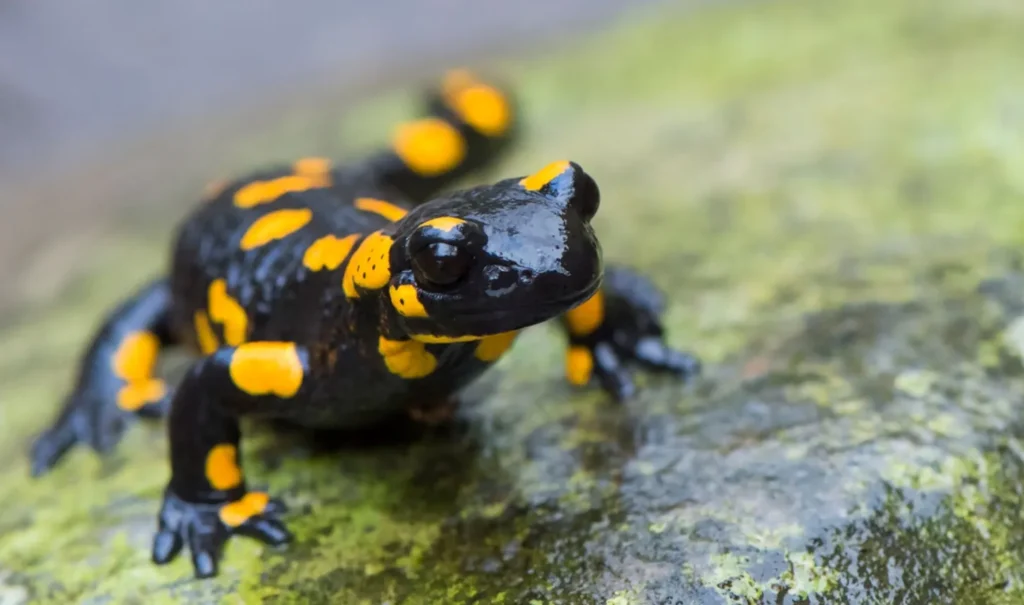
Salamanders play a crucial role in maintaining the balance of various ecosystems. Some of their most important functions include:
- Pest Control: Salamanders feed on insects, worms, and other small invertebrates, helping control insect populations.
- Soil Aeration: Their burrowing habits help aerate the soil, improving its quality and allowing plants to thrive.
- Nutrient Recycling: As they feed on various small organisms, they help break down organic matter and recycle nutrients back into the soil and water.
Without salamanders, ecosystems could face imbalances due to pest overpopulation and inefficient nutrient cycling.
Important Things That You Need To Know About LSI Keywords
While salamanders themselves are captivating, related keywords like tiger salamander, giant salamander, and salamander regenerative abilities are also key to understanding their unique traits. The Chinese giant salamander is one of the largest species and plays a significant role in its environment. These salamanders are vital not only for their size but also for their regenerative powers, a trait that continues to intrigue scientists and researchers alike.
Each species, such as the tiger salamander, is uniquely adapted to its environment, showcasing a wide range of behaviors and physical characteristics. The salamander resort concept highlights how these creatures are part of conservation efforts and serve as research habitats. Whether you’re interested in salamander heaters for habitat simulation or learning about their regenerative abilities, understanding these creatures requires a holistic view of their biology and ecosystem.
What to Do to Protect Them in Nature and Save the System for the Future
How You Can Contribute to Salamander Conservation:
- Protect Their Habitats: Preserve forests, wetlands, and freshwater bodies to ensure salamanders have safe breeding grounds.
- Reduce Pollution: Minimize the use of chemicals and pesticides that can harm salamanders and their ecosystems.
- Support Conservation Efforts: Join local organizations working to protect endangered species, including salamanders.
- Promote Awareness: Educate others about the importance of salamanders in ecosystems and the threats they face.
By taking these steps, we can help preserve these vital creatures for future generations.
Frequently Asked Questions (FAQs)
- What is the life cycle of a salamander?
- The salamander life cycle consists of egg, larva, juvenile, and adult stages, with metamorphosis occurring between the larval and juvenile stages.
- How long do salamanders live?
- Depending on the species, salamanders can live 6 to 20 years, with some, such as the Chinese giant salamander, living up to 60 years.
- What do salamanders eat?
- Salamanders primarily feed on insects, worms, and other small invertebrates.
- How do salamanders regenerate their limbs?
- Salamanders have the unique ability to regenerate lost limbs, skin, and even parts of their organs, a feature that is vital for survival.
- Where do salamanders live?
- Salamanders are found in a variety of habitats, including forests, wetlands, and freshwater bodies.
- Are salamanders endangered?
- Many salamander species are endangered due to habitat loss, pollution, and climate change.
- How do salamanders reproduce?
- Salamanders reproduce through external fertilization, with males releasing spermatophores and females laying fertilized eggs.
- What is the significance of the Chinese giant salamander?
- The Chinese giant salamander is an ancient species and one of the largest amphibians, playing a crucial role in aquatic ecosystems.
Conclusion
The salamander’s life cycle, from egg to adult, is an extraordinary journey of growth and survival. These amphibians are not unique in their regenerative abilities, but they are also essential to their ecosystems.
By understanding their biology and importance, we can take steps to protect these fascinating creatures and ensure their continued existence. Protecting salamanders is crucial for maintaining ecological balance and biodiversity. Let’s work together to safeguard their future.
Also Read: aphid life cycle