
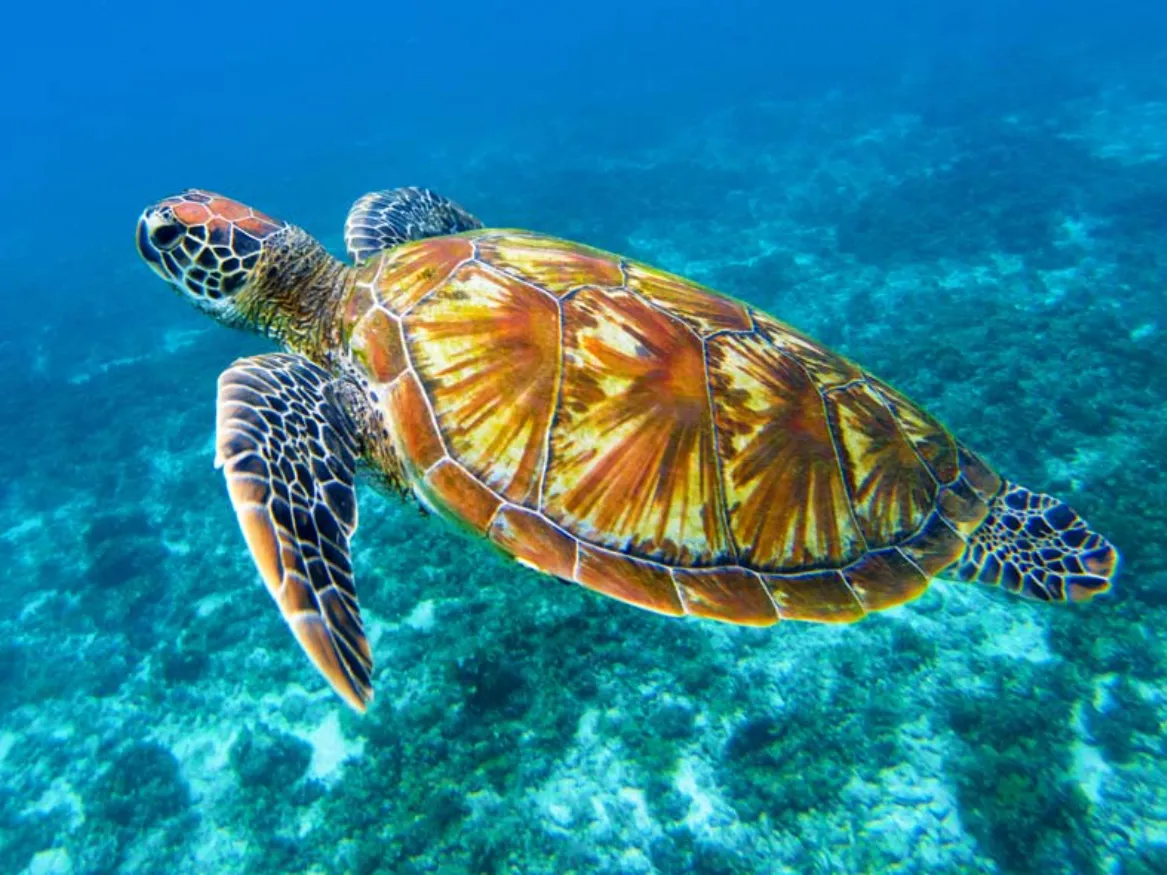
Sea turtles are extraordinary creatures that have graced the earth for millions of years. Known for their incredible journeys across vast oceans and their unique adaptations to life in both the water and on land, these ancient mariners are essential to maintaining the health of marine ecosystems. Despite their importance, sea turtles face many threats, making conservation efforts crucial to ensuring their survival.
The life cycle of sea turtles is an incredible journey spanning several decades. From their birth as tiny hatchlings on sandy beaches to their maturation as adults, sea turtles undergo various life stages that are both challenging and fascinating. Among the seven sea turtle species, the green sea turtle, leatherback sea turtle, and loggerhead sea turtle are some of the most well-known. Each species has a unique life cycle that is affected by environmental factors such as temperature, human interference, and climate change.
In this article, we will explore the different stages of their life cycle, their evolutionary history, reproductive processes, and their significance in the ocean ecosystem. Furthermore, we will highlight steps that can be taken to protect these remarkable creatures and ensure their continued existence.
Quick Answers to Common Questions About Sea Turtles
- What is the life cycle of a sea turtle?
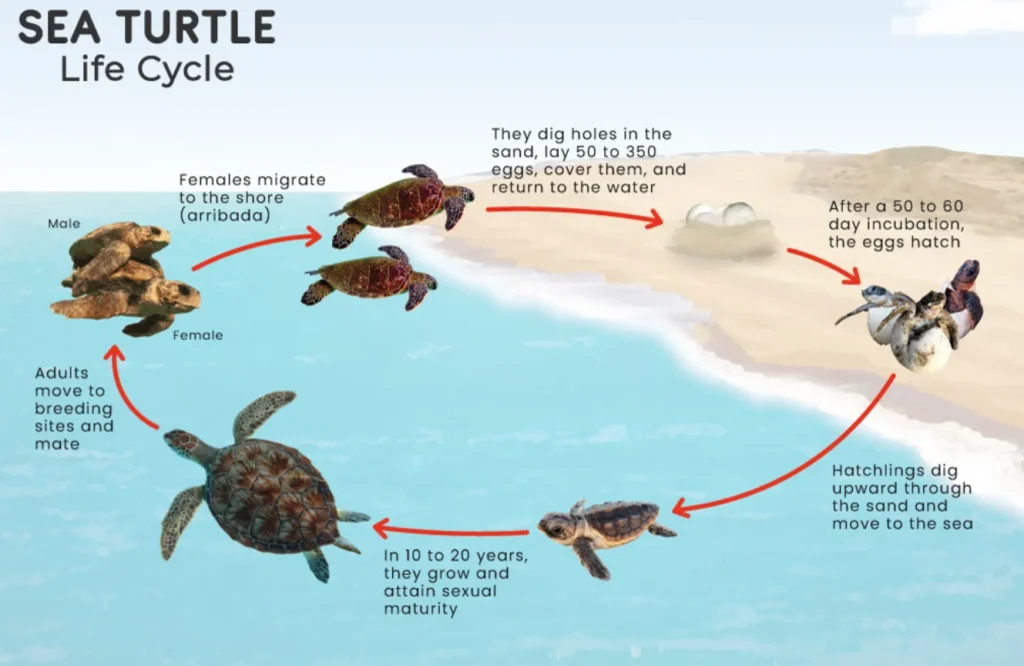
- The life cycle of a sea turtle begins when a female lays eggs on sandy beaches. After incubation, hatchlings emerge and make their way to the ocean, where they grow into juveniles and eventually become adults. Adult sea turtles return to the same beaches to lay eggs, restarting the cycle. The entire life cycle can span anywhere from 50 to 100 years, depending on the species.
- How long do sea turtles live?
- Sea turtles can live for a remarkably long time, often reaching between 50 and 100 years. However, their life expectancy is influenced by factors such as species, environmental conditions, and threats, including predators, habitat loss, and human activities.
- What are the main threats to sea turtles?
- Sea turtles face a variety of threats that hinder their survival, including habitat destruction, pollution (especially plastic pollution), climate change, illegal trade, and fishing. Climate change also affects their nesting sites and alters temperature-dependent sex determination, leading to skewed sex ratios in some populations.
Quick Life Cycle Table
| Stage | Description | Duration |
| Eggs | Females lay eggs on sandy beaches. | 2 months |
| Hatchling | Baby turtles emerge and make their way to the ocean. | 1-2 days |
| Juvenile | Turtles grow and develop in the ocean’s open waters. | 10-50 years |
| Adult | Fully mature, adult turtles return to beaches to breed. | 50-100 years |
The History of Their Scientific Naming
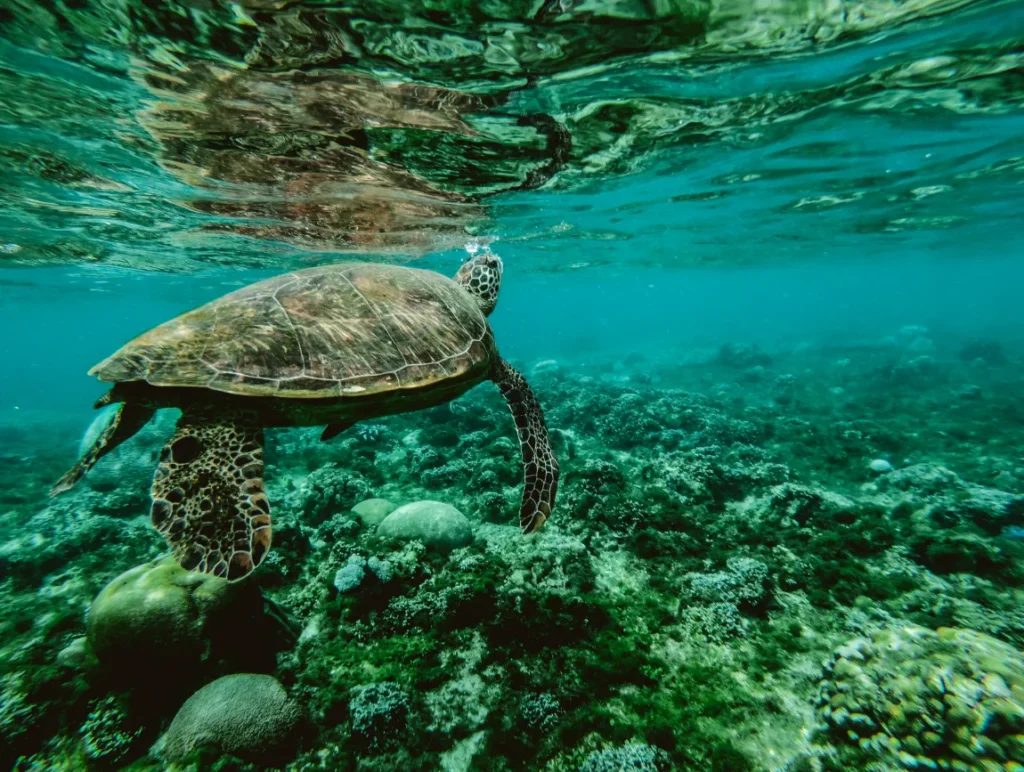
Sea turtles have been named scientifically based on their distinct characteristics, primarily related to their physical features and behaviors. The genus Chelonia, derived from the Greek word “chelone” meaning turtle, was used to classify many species of sea turtles, including the green sea turtle (Chelonia mydas).
The loggerhead sea turtle (Caretta caretta), on the other hand, derives its name from its large, “loggerhead” or “log-like” head. This feature provides them with strong jaws capable of crushing hard-shelled prey. The leatherback sea turtle (Dermochelys coriacea), the largest of all sea turtle species, gets its name from its leathery shell, unlike the hard, bony shells of other species.
Historically, these scientific names have evolved as our understanding of sea turtles has deepened through research and genetic studies. These names allow scientists to classify the various sea turtle species and study their differences, which is essential for their conservation.
Their Evolution and Their Origin
The evolutionary journey of sea turtles is ancient, stretching back over 100 million years. These creatures are believed to have evolved during the late Triassic period, adapting to an aquatic lifestyle. Unlike their land-dwelling ancestors, sea turtles evolved specialized flippers for swimming, allowing them to glide effortlessly through the oceans.
Over time, sea turtles have developed several unique features that enable them to thrive in marine environments. Their streamlined bodies help them navigate vast distances in the ocean, while their specialized limbs act as powerful paddles, propelling them through the water with remarkable efficiency. Their sharp beaks are well-adapted for their varied diets, which include seagrass, jellyfish, and other marine creatures.
Another fascinating aspect of sea turtle evolution is their ability to migrate long distances, sometimes traveling thousands of miles between feeding and nesting grounds. Some species, such as the green sea turtle, travel from coastal areas to offshore feeding grounds, while others, like the leatherback sea turtle, migrate across entire oceans.
The origin of sea turtles traces back to a common ancestor shared with land-dwelling turtles. The transition to marine life was facilitated by the development of adaptations such as stronger flippers, a more hydrodynamic body, and specialized breathing mechanisms, which have enabled sea turtles to become among the most well-adapted creatures in the ocean.
Their Main Food and Its Collection Process
Sea turtles have varied diets that depend largely on species. Here’s a breakdown of what some of the most common sea turtles eat and how they gather their food:
- Green Sea Turtle: Primarily herbivores, green sea turtles feed on seagrass and algae, playing a crucial role in maintaining healthy seagrass ecosystems. They graze on seagrass beds, helping prevent overgrowth and promoting biodiversity in coastal areas.
- Leatherback Sea Turtle: Unlike most other sea turtles, leatherbacks are carnivores, feeding primarily on jellyfish. Their diet is essential in controlling jellyfish populations, which could otherwise overwhelm marine ecosystems. Leatherbacks have a unique ability to dive to extreme depths in search of food.
- Hawksbill Sea Turtle: Hawksbills are opportunistic feeders, consuming a wide variety of invertebrates, including sponges, corals, and sea anemones. Their feeding habits help maintain coral reef health by preventing sponges from overgrowing and smothering corals.
- Loggerhead Sea Turtle: Loggerheads are omnivores and often feed on crabs, mollusks, and other marine creatures. Their strong jaws help them crack open hard-shelled animals like clams and crabs.
The process of food collection involves both grazing and hunting behaviors. Sea turtles may dive to various depths, using their excellent swimming abilities to navigate through coral reefs, seagrass meadows, and the open ocean in search of food. They rely on their keen vision and ability to detect currents to locate food sources.
Their Life Cycle and Ability to Survive in Nature
The Stages of Sea Turtle Survival
Sea turtles undergo several stages throughout their life cycle, and each stage presents unique challenges that affect their survival. The ability to thrive in the wild depends on various factors such as habitat, food availability, predators, and human intervention.
- Egg Stage:
- The life of a sea turtle begins when a female lays her eggs on a sandy beach, typically at night. These eggs are buried in nests, where they incubate for about two months. During this stage, the eggs are vulnerable to predators such as raccoons, birds, and even human poaching. In some regions, conservation efforts have been established to protect these nests and ensure their survival.
- Hatchling Stage:
- After hatching, the tiny sea turtles begin their perilous journey from the nest to the ocean. This is one of the most dangerous stages of their life cycle, as hatchlings must avoid predators such as crabs, birds, and humans. Once they reach the open sea, they face additional threats from predators and environmental factors.
- Juvenile and Adult Stages:
- As sea turtles grow and mature, they face fewer predators. However, they still encounter threats such as fishing nets, plastic pollution, and habitat destruction. Despite these dangers, adult sea turtles live for decades and play a critical role in maintaining healthy marine ecosystems.
Overall, the survival rate for sea turtles is quite low. Many hatchlings never reach adulthood, and only a small percentage survive to become breeding adults. However, conservation efforts are increasing the chances of survival for these remarkable creatures.
Their Reproductive Process and Raising Their Children
The reproductive process of sea turtles is a fascinating and critical part of their life cycle. Here’s how it works:
- Mating: Sea turtles generally mate during the breeding season in the open ocean. Mating pairs often travel to specific feeding grounds, where they engage in courtship and mating rituals.
- Nesting: Female sea turtles return to the beaches where they were born to lay their eggs. They use their flippers to dig a deep nest in the sand, where they deposit anywhere between 50 and 200 eggs. After laying the eggs, the female covers them with sand and returns to the ocean.
- Incubation and Hatching: The eggs incubate for about two months before the hatchlings emerge. The temperature of the sand determines the sex of the hatchlings: warmer temperatures produce more females, while cooler temperatures produce more males.
- Raising Hatchlings: After hatching, the baby turtles instinctively make their way toward the ocean, where they are left to fend for themselves. There is no parental care after birth, and the hatchling survival rate is low.
Despite the lack of parental care, sea turtles have evolved to reproduce in large numbers to ensure the survival of their species.
Importance of Them in This Ecosystem
The Role of Sea Turtles in Marine Ecosystems
Sea turtles are essential to maintaining the health and balance of marine ecosystems. Their feeding habits help control seagrass growth, regulate jellyfish populations, and prevent coral reefs from being smothered by sponges. Here’s why they are so important:
- Maintaining Seagrass Beds: By feeding on seagrass, green sea turtles help maintain the health of these important ecosystems. Seagrass beds provide shelter and food for a wide variety of marine creatures.
- Regulating Jellyfish Populations: Leatherback sea turtles play a crucial role in controlling jellyfish populations, which can otherwise disrupt marine food chains and fisheries.
- Supporting Coral Reef Health: Hawksbill sea turtles help maintain coral reef health by feeding on sponges that might otherwise dominate and smother coral colonies.
In essence, sea turtles play a vital role in ensuring the survival and balance of marine life, which is why their protection is critical to the overall health of the ocean ecosystem.
What to Do to Protect Them in Nature and Save the System for the Future
Steps for Sea Turtle Conservation
To protect sea turtles and ensure their survival for future generations, here are key actions:
- Reduce Plastic Pollution: Avoid using single-use plastics that can end up in the ocean and harm sea turtles.
- Support Turtle Conservation Organizations: Donate to or volunteer with organizations dedicated to protecting sea turtle nesting sites and habitats.
- Protect Nesting Sites: Ensure that nesting beaches are protected from development and human interference.
- Educate the Public: Raise awareness about the importance of sea turtles and the threats they face.
By taking these actions, we can help conserve sea turtles and protect their habitats, ensuring that they continue to thrive in our oceans.
Frequently Asked Questions (FAQs)
- How long do sea turtles live?
- Sea turtles typically live for 50 to 100 years, depending on their species and environmental conditions.
- Why are sea turtles important to the environment?
- Sea turtles help maintain healthy marine ecosystems by regulating seagrass growth, controlling jellyfish populations, and supporting coral reef health.
- What are the biggest threats to sea turtles?
- The main threats include habitat destruction, climate change, pollution (especially plastic pollution), illegal trade, and fishing.
- How do sea turtles reproduce?
- Sea turtles mate in the ocean, and females return to beaches to lay eggs, which incubate for about two months before hatching. There is no parental care after the hatchlings emerge.
- Where do sea turtles lay their eggs?
- Female sea turtles return to the same beaches where they were born to lay their eggs, typically at night.
- What do sea turtles eat?
- Sea turtles have varied diets depending on their species. Common foods include seagrass, jellyfish, crustaceans, and sponges.
- How far do sea turtles travel during migration?
- Some sea turtles migrate thousands of miles between feeding and nesting grounds, often crossing entire oceans.
- What can I do to help protect sea turtles?
- You can help protect sea turtles by reducing plastic pollution, supporting conservation efforts, and raising awareness of their importance.
Conclusion
Sea turtles are extraordinary creatures that have been roaming the earth for millions of years. Their life cycle is a testament to resilience, with each stage presenting unique challenges that shape their existence. Unfortunately, these creatures face numerous threats to their survival, including habitat loss and climate change.
However, through concerted conservation efforts, we can ensure that these ancient mariners continue to thrive in our oceans. By educating the public and taking action to protect their habitats, we can help safeguard sea turtles for future generations.
Also Read: life cycle of a ladybird