
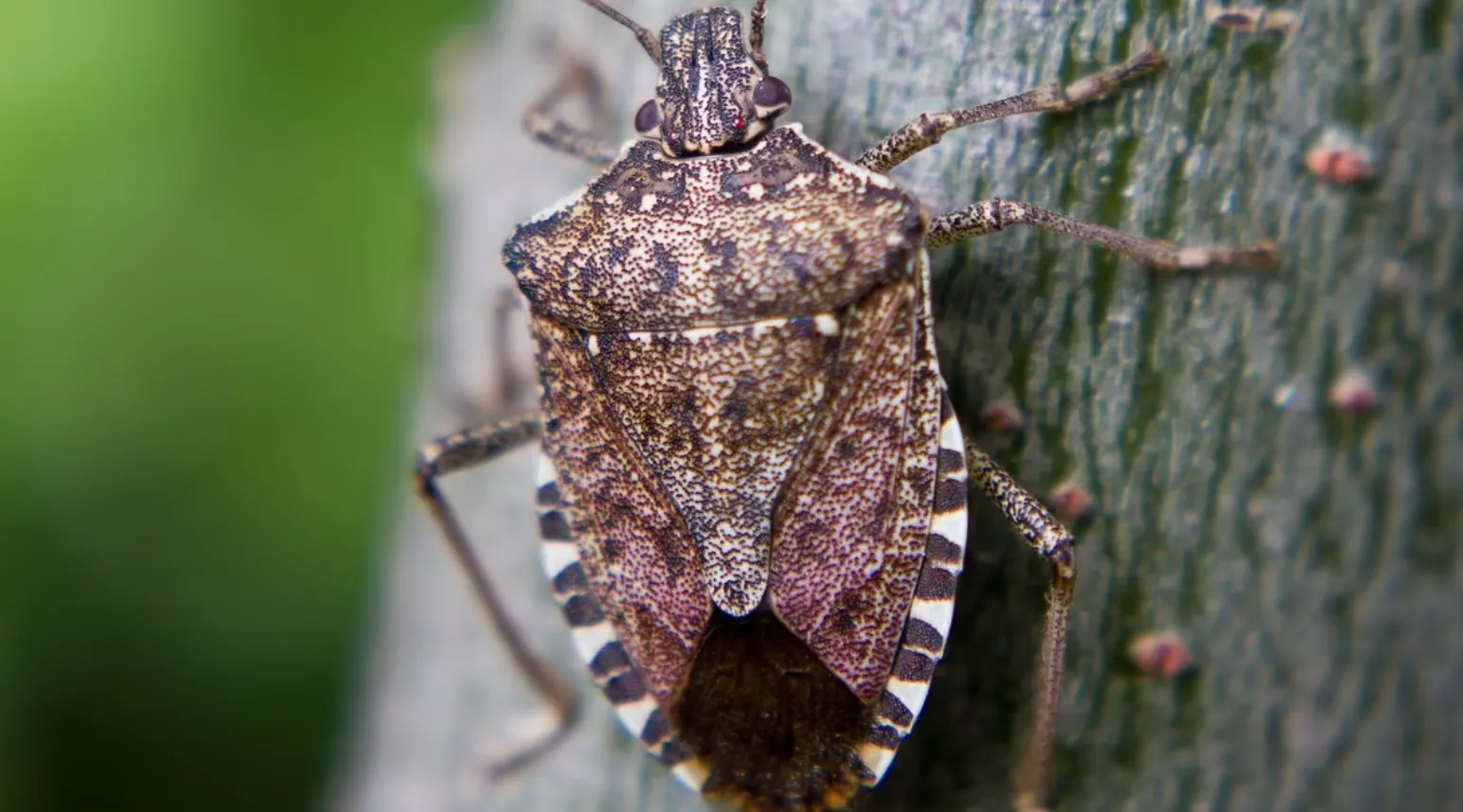
Stink bugs, also known as brown marmorated stink bugs or shield bugs, are fascinating insects that emit a distinctive odor when threatened. These pests are found worldwide, primarily in temperate regions. Understanding their life cycle is crucial to controlling infestations and mitigating their impact on agriculture and homes. In this article, we’ll take a deep dive into the stink bug life cycle, its stages, food habits, and role in the ecosystem.
Q: What is a stink bug’s life cycle?
A: A stink bug’s life cycle includes five stages: egg, nymph, adult, mating, and laying eggs. It typically spans a few months, depending on environmental conditions.
Q: What do stink bugs eat?
A: Stink bugs feed primarily on plant material, including fruits, vegetables, and crops. They use their piercing-sucking mouthparts to extract sap from plants.
Q: Why do stink bugs release an odor?
A: Stink bugs release a foul-smelling liquid as a defense mechanism when they feel threatened. This is why they are named “stink bugs.”
Quick Life Cycle Table
| Life Stage | Duration | Description |
| Egg | 1-2 weeks | Oval-shaped, laid in clusters on leaves. |
| Nymph | 3-4 weeks | Immature bugs usually have five instars before becoming adults. |
| Adult | 2-6 months | Fully grown, ready to reproduce. |
| Mating | Ongoing | Occurs during late summer to early fall. |
| Egg Laying | 1-2 weeks | Females lay eggs on plant leaves or stems. |
The History of Their Scientific Naming
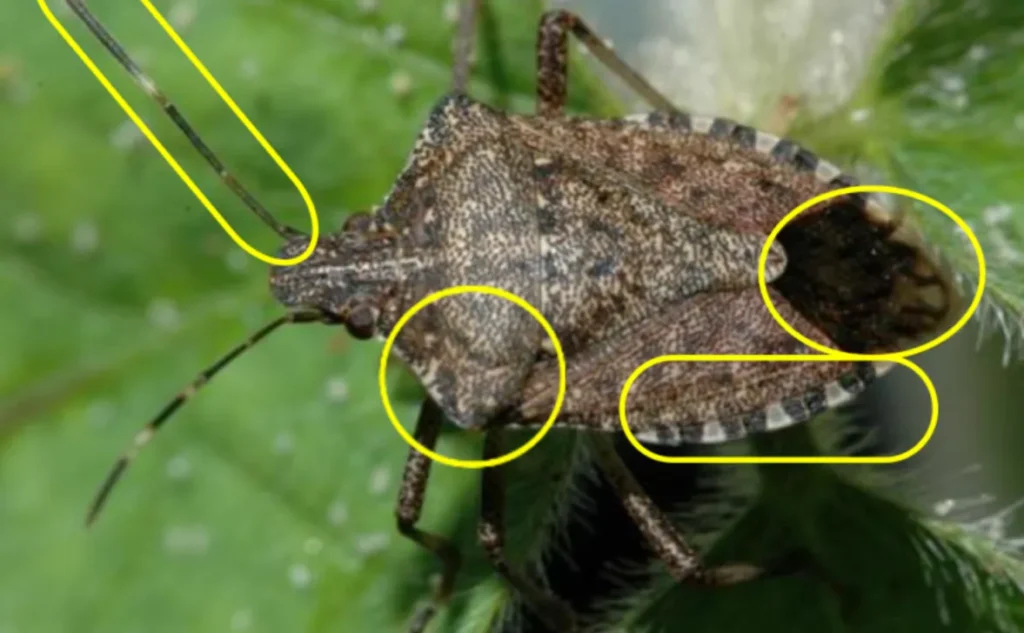
The scientific name for the stink bug is Halyomorpha halys, derived from the Greek words halyo (salt) and morpha (shape), referring to its shield-like shape. The brown marmorated stink bug was first identified in East Asia before spreading to North America and Europe.
Their Evolution and Origin
Stink bugs have evolved to thrive in a wide range of habitats, including agricultural fields and urban environments. The species is thought to have originated in East Asia, where it was a natural part of the ecosystem. Over time, their migration to other regions, such as North America, has made them a significant agricultural pest.
Their ability to adapt to different environments has enabled stink bugs to thrive across multiple continents, though they are primarily known for their presence in temperate climates. Their unique defense mechanisms, including the ability to emit a foul odor, have helped them survive and reproduce across a wide range of environments.
Their Main Food and Its Collection Process
Stink bugs primarily feed on plant material, including leaves, fruits, and vegetables. Using their specialized piercing-sucking mouthparts, they extract sap from plants, causing damage in the process. They target a variety of crops, including tomatoes, peppers, apples, and corn, making them significant pests for agriculture.
- Feeding Process: The stink bug inserts its needle-like mouthparts into the plant, where it injects saliva that breaks down the plant’s cell structure.
- Sap Extraction: Once the plant cells are liquefied, the bug sucks up the sap, which provides nourishment for its development.
- Damage: The feeding behavior leaves behind small, puncture marks and can cause fruit and leaf deformation, affecting crop yields.
Their Life Cycle and Ability to Survive in Nature
Stink bugs undergo a simple metamorphosis, progressing through several stages from egg to adult. Their life cycle consists of:
- Egg Stage: Female stink bugs lay eggs in clusters on the undersides of leaves. Eggs are usually laid in late spring and hatch within a week.
- Nymph Stage: After hatching, the young bugs (nymphs) resemble small versions of adults. They go through five instars (developmental stages) before reaching maturity.
- Adult Stage: Once they reach adulthood, stink bugs can reproduce. Adult stink bugs can live for several months, depending on environmental conditions.
Adaptability: Stink bugs are resilient and can survive in a wide range of habitats, from agricultural fields to urban environments. They thrive in temperate climates but have also been found in tropical regions.
Their Reproductive Process and Raising Their Children
Reproduction begins with mating, which typically occurs in late summer to early fall. The male performs a mating ritual to attract the female. Once the female has mated, she lays her eggs in clusters on the undersides of plant leaves or stems.
- Egg Laying: Females lay eggs in a protective cluster, which can contain up to 30 eggs.
- Egg Incubation: Eggs hatch in about 1-2 weeks, and the young nymphs emerge.
- Nymph Care: Stink bugs do not provide parental care, but the nymphs are equipped to feed independently as soon as they hatch.
Importance of Them in This Ecosystem
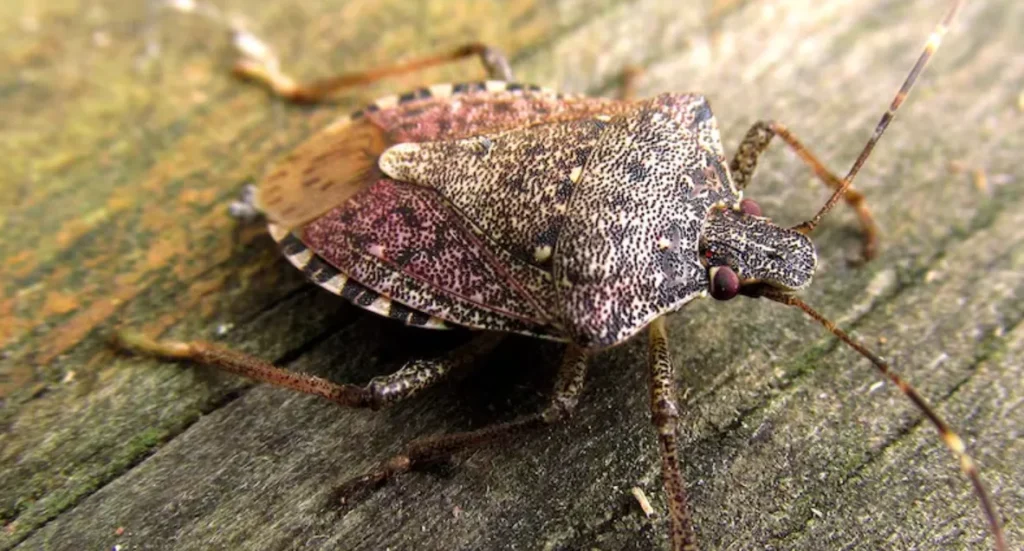
Stink bugs play a role in the ecosystem as both pests and prey. They contribute to the food web by feeding on plants and serving as food for predators. While they can harm crops, they are an important food source for many animals.
- Pest Control: While they damage crops, they also help control plant growth by feeding on less desirable plant species.
- Food Source: Birds, small mammals, and other insects feed on stink bugs.
Despite their negative impact on agriculture, stink bugs are integral to the ecosystem’s balance.
What to Do to Protect Them in Nature and Save the System for the Future
To protect stink bugs in nature and ensure the health of the ecosystem, consider these strategies:
- Promote Natural Predators: Encourage the presence of predators, such as birds and small mammals, that feed on stink bugs.
- Control Agricultural Practices: Use organic pest control methods to minimize damage while preserving the stink bug’s role in the ecosystem.
- Create Habitat Areas: Preserve natural habitats, such as forests and grasslands, where stink bugs can thrive without disrupting human activities.
Important Things That You Need To Know
Stink Bug Eggs:
- Stink bug eggs are oval-shaped and are usually laid in clusters on plant leaves.
- They typically hatch in 1-2 weeks, leading to the emergence of nymphs.
Green Stink Bug:
- Green stink bugs are a common variety, often seen in gardens and agricultural fields. They are less aggressive than brown stink bugs but still cause significant plant damage.
Stink Bug Trap:
- Stink bug traps are effective at controlling infestations. These traps use attractants to lure stink bugs into a container where they can be captured and disposed of.
Stink Bug Repellent:
- Natural repellents, such as citrus or garlic-based sprays, can deter stink bugs from entering homes and gardens.
Frequently Asked Questions (FAQs)
Q: How long do stink bugs live?
A: Stink bugs can live up to several months, typically surviving from late summer to early winter.
Q: Do stink bugs bite humans?
A: No, stink bugs do not bite humans. However, they can emit a foul odor when threatened.
Q: How can I get rid of stink bugs in my house?
A: You can use traps or natural repellents such as citrus sprays. Sealing cracks and gaps in windows and doors can also help.
Q: Can stink bugs damage crops?
A: Yes, stink bugs can significantly damage crops by feeding on them, particularly fruits and vegetables.
Q: Are stink bugs harmful to pets?
A: While stink bugs are not toxic to pets, they may cause mild digestive upset if consumed.
Q: What is the best time to deal with stink bugs?
A: The best time to address stink bugs is during the fall, before they seek shelter in homes for the winter.
Q: Can stink bugs survive in winter?
A: Yes, stink bugs seek shelter in warm places during winter and can survive in homes or under tree bark.
Q: Do stink bugs have natural predators?
A: Yes, birds, small mammals, and other insects feed on stink bugs, helping to control their population.
Conclusion
The stink bug life cycle is a complex process that involves multiple developmental stages. While they can damage crops, stink bugs also play an important role in the ecosystem. Understanding their life cycles and habits can help both control infestations and appreciate their natural role in nature.
By using natural predators, controlling agricultural practices, and preserving habitats, we can ensure that stink bugs continue to contribute to the ecosystem without overwhelming our environment.
Also Read: sea turtle life cycle