
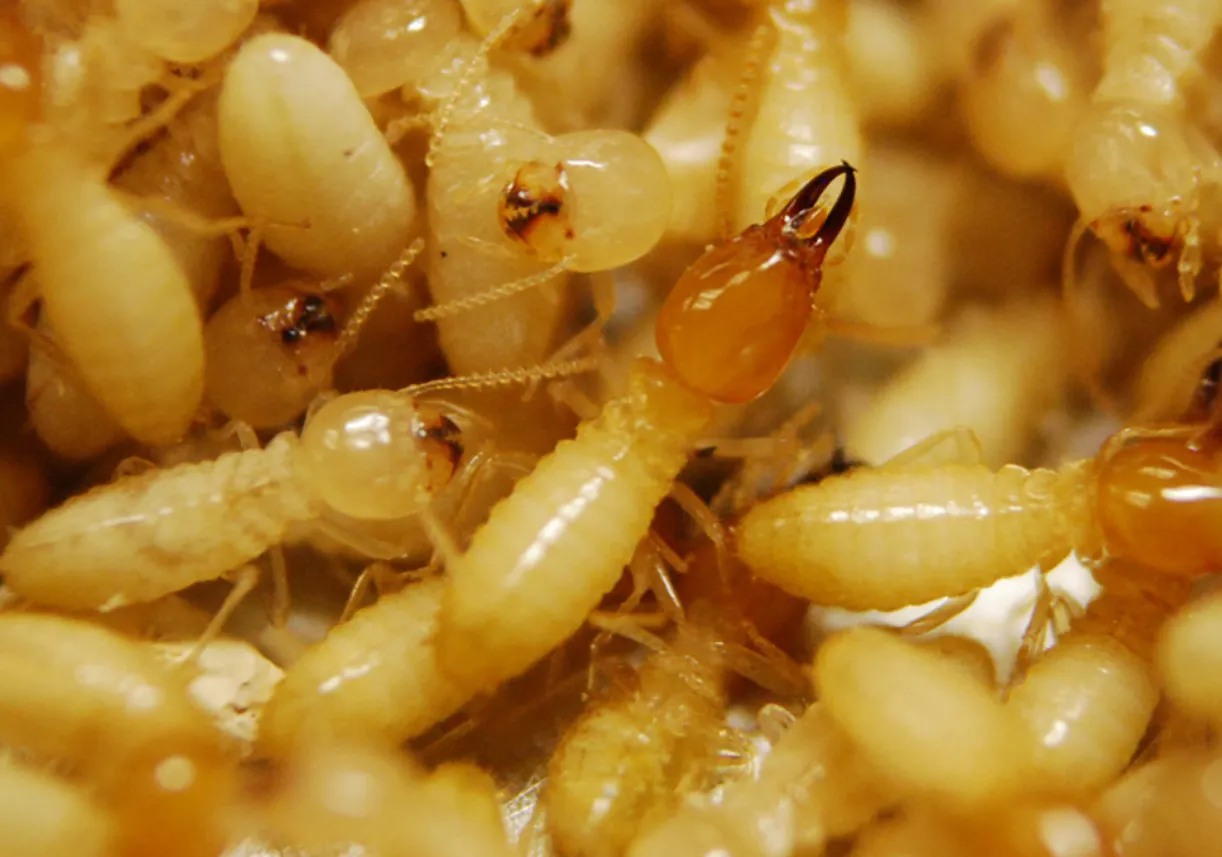
Termites are fascinating yet destructive insects known for their ability to damage wood, homes, and other structures. Understanding the termite life cycle is essential not only for controlling these pests but also for appreciating their role in the natural ecosystem. The life cycle of a termite consists of several stages, each contributing to the colony’s growth and function.
Q: What is the life cycle of a termite?
A: The termite life cycle consists of four main stages: egg, nymph, worker/winged adult, and reproductive adult. The process can take several months to years, depending on the species.
Q: How long do termites live?
A: The lifespan of a termite varies by caste, with workers living 1-2 years, soldiers serving longer, and reproductives (queens and kings) living for decades.
Q: What are the signs of a termite infestation?
A: Signs include termite droppings, mud tubes, discarded wings, and the sound of chewing or tapping noises in wooden structures.
Quick Life Cycle Table
| Life Stage | Description |
| Egg | The termite queen lays eggs, which hatch into nymphs. |
| Nymph | The nymphs grow into workers, soldiers, or reproductive termites. |
| Worker/Adult | Workers forage for food and maintain the colony, while reproductive termites mate. |
| Reproductive | The king and queen reproduce, ensuring the colony’s future. |
The History of Their Scientific Naming
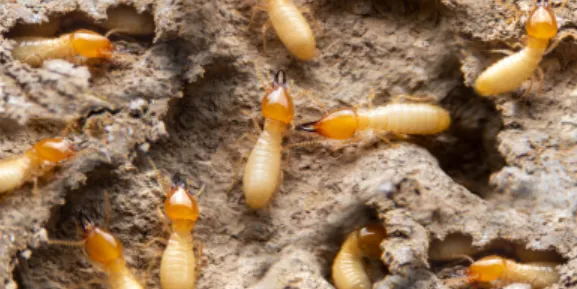
Termites belong to the order Isoptera, though recent studies suggest they are more closely related to cockroaches. The term “termite” comes from the Latin word termes, meaning “woodworm.” Scientists have classified over 2,700 termite species worldwide, and each has distinct behavior and life cycles.
Their Evolution and Their Origin
Termites have evolved over millions of years. Initially, they were social insects, much like ants, evolving from cockroach-like ancestors. Fossil evidence shows that termites have been around for about 250 million years. The earliest termites were likely wood-feeding insects, which contributed to their evolutionary success.
The evolution of their complex social structures, including workers, soldiers, and queens, enabled them to thrive in various environments. Termites have adapted to live in diverse ecosystems, from deserts to tropical rainforests.
Their Main Food and Its Collection Process
Termites primarily feed on cellulose, which is found in wood, leaves, and plant material. Their ability to break down cellulose is due to symbiotic relationships with gut microorganisms that aid in its digestion.
Collection Process:
- Workers search for food in the environment and carry it back to the colony.
- Soldiers defend the colony but also help in the food collection by bringing back fragments to feed the queen and king.
Their Life Cycle and Ability to Survive in Nature
Life Cycle:
Termites begin as eggs laid by the queen. These hatch into nymphs, which grow into various castes: workers, soldiers, or reproductive adults. Workers build and maintain the colony, while soldiers protect it from predators. The reproductive termites, typically the king and queen, ensure the colony’s survival by producing new offspring.
Survival in Nature:
Termites have adapted to a wide range of climates, from deserts to rainforests. Their ability to feed on cellulose-rich materials allows them to thrive on abundant plant matter. Their complex social structures also ensure the colony’s long-term survival.
Their Reproductive Process and Raising Their Children
Termites exhibit a fascinating reproductive process. At the heart of a termite colony are the queen and king, who are responsible for reproduction. These primary reproductive termites mate and produce eggs, which eventually hatch into nymphs.
Once the nymphs grow and mature, some are designated to become workers, others to be soldiers, and a select few are reared to become new reproductives. This hierarchical structure allows the colony to maintain a steady supply of workers to care for the young, protect the colony, and build new nests.
Importance of Them in the Ecosystem
Termites play an essential role in ecosystems. They are nature’s decomposers, breaking down dead wood and plant matter, which helps recycle nutrients back into the soil. Without termites, organic material would accumulate, hindering plant growth and ecosystem health.
Key Roles:
- Decomposition: They break down wood, returning nutrients to the soil.
- Soil Aeration: Their tunneling activity helps in aerating the soil, promoting healthy root systems for plants.
What to Do to Protect Them in Nature and Save the System for the Future
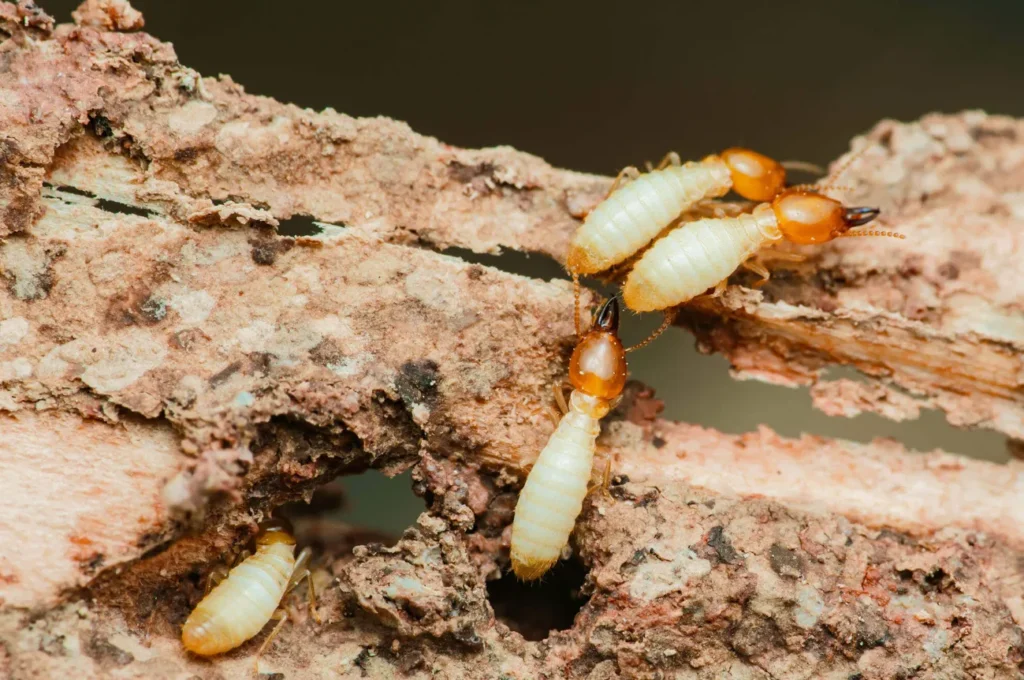
Although termites are essential in nature, they can become pests when they infest homes and buildings. To protect them and save their role in the ecosystem, consider these measures:
- Preserve natural habitats by preventing deforestation.
- Avoid overuse of chemicals that harm termite populations.
- Encourage biodiversity by promoting balanced ecosystems that support nutrient recycling by termites.
Frequently Asked Questions (FAQs)
Q: What causes termite infestations?
A: Infestations typically occur due to the presence of wood and moisture, which provide a suitable environment for termites.
Q: How can you identify a termite infestation?
A: Look for signs such as hollow-sounding wood, mud tubes on walls, and termite droppings.
Q: Are all termites harmful to homes?
A: While most termites feed on dead wood, some species can damage structures when they infest homes.
Q: Can termites be controlled naturally?
A: Yes, using nematodes or essential oils can help control termite populations without chemicals.
Q: How do termites affect plants?
A: Termites contribute to plant health by breaking down organic matter into nutrients, aiding plant growth.
Q: How long does it take for a termite colony to mature?
A: A termite colony can take several years to reach full maturity, depending on the species.
Q: Do termites damage the entire structure?
A: Termites typically target wood and cellulose materials, leading to significant structural damage over time.
Q: Can termite infestations be prevented?
A: Yes, regular inspections and controlling moisture levels can help prevent termite infestations.
Conclusion
The termite life cycle is a remarkable process that ensures the survival of these vital insects. Understanding their stages, from egg to reproductive adults, helps us appreciate their ecological role.
While termites are essential for nutrient recycling in nature, they can cause significant damage to structures. Therefore, balancing their importance in the environment with effective control methods is crucial for both ecosystem health and home preservation.
Also Read: salamander life cycle