
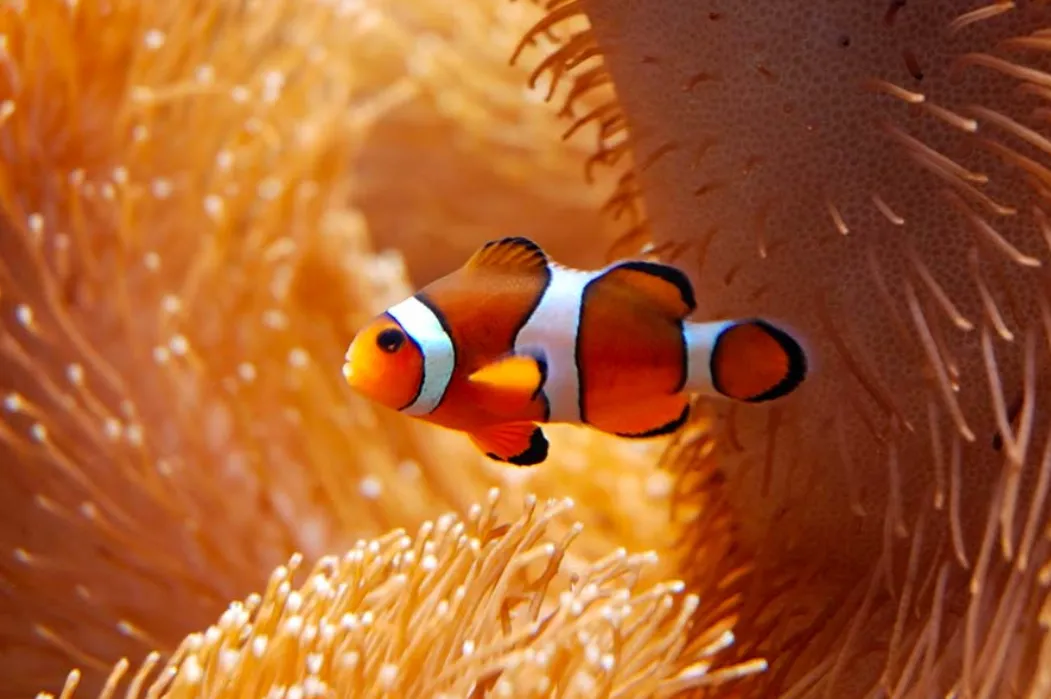
The life cycle of fish is a remarkable journey filled with unique stages and adaptations. Understanding this life cycle helps us appreciate the ecological role that fish play in aquatic ecosystems and how human activities impact their survival. Fish are among the most diverse animals, found in nearly all aquatic environments, from freshwater lakes to the deep oceans.
Q: What are the stages in the life cycle of fish?
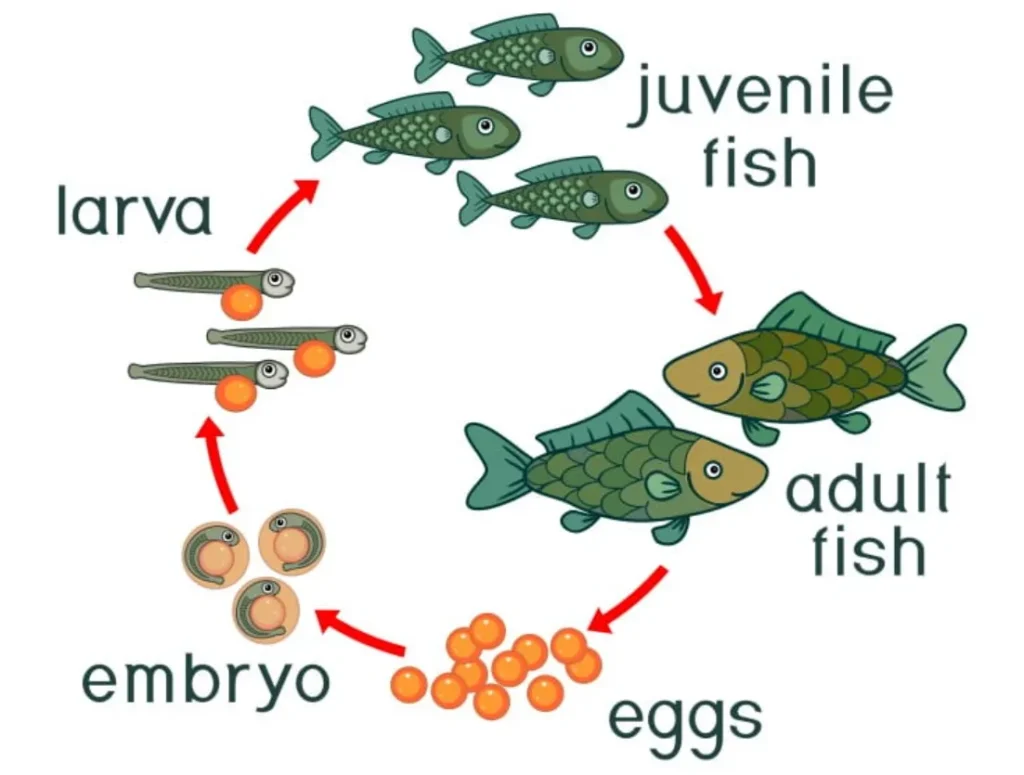
A: The stages include egg, larvae, juvenile, and adult stages. Each stage has distinct characteristics and survival strategies that are crucial for the fish’s development.
Q: How long does a fish live?
A: The lifespan of a fish varies by species. Some live only for a few months, while others, like certain sharks, can live for decades.
Q: How do fish reproduce?
A: Fish typically reproduce through external fertilization, where females lay eggs and males release sperm to fertilize them, although some species exhibit internal fertilization.
Understanding these stages helps us realize how essential fish are to both marine and freshwater ecosystems. It also highlights why protecting their habitats is critical for sustaining biodiversity.
Quick Life Cycle Table
| Stage | Description | Duration |
| Egg | Fish begin their life as fertilized eggs laid by females. The eggs are often protected or hidden until they hatch. | Varies (depends on species) |
| Larvae | After hatching, fish larvae are extremely small and depend on yolk reserves for nutrition. They are very vulnerable at this stage. | Days to weeks |
| Juvenile | Once larvae consume their first food, they develop into juveniles and begin to look like adult fish. They start to explore their environment. | Several months to years |
| Adult | The final stage in a fish’s life cycle, where they mature and are capable of reproduction. Adult fish continue to grow and reproduce until they die. | Varies significantly depending on species |
The History of Their Scientific Naming
The scientific naming of fish follows the binomial nomenclature system, established by Carl Linnaeus in the 18th century. This system provides each species with a unique two-part name: the genus and the species. For example, Salmo salar, the Atlantic Salmon, is named based on Latin roots that describe its appearance and behavior.
Over time, scientists have classified more than 32,000 fish species, many of which have unique names reflecting their habitats, behaviors, or physical traits. The process of naming fish allows scientists to communicate about species with precision, ensuring clarity in research and conservation efforts.
Their Evolution and Their Origin
The evolution of datesfish dates back to around 500 million years ago, during the Cambrian period, when the earliest ancestors of modern fish emerged. Fish are believed to be the first vertebrates, evolving from jawless organisms. The first fish were simple, jawless creatures like ostracoderms, which gradually evolved into jawed fish, leading to the diversity we see today.
As fish evolved, they adapted to a wide range of aquatic environments. Cartilaginous fish (sharks and rays) and bony fish (the majority of fish species today) both arose and diversified in different ecological niches. This evolutionary journey highlights how fish have become the most successful vertebrates on Earth.
Their Main Food and Its Collection Process
Fish are primarily carnivorous, herbivorous, or omnivorous, depending on the species. Some fish, such as the great white shark, feed on other animals, such as seals and smaller fish, while others, such as the parrotfish, primarily consume algae. Filter-feeding fish like whale sharks consume plankton by swimming with their mouths open, filtering small organisms from the water.
Predatory fish have specialized adaptations such as sharp teeth and powerful jaws to capture and consume their prey. Herbivorous fish, such as manatees, use their flat teeth to graze on aquatic plants. Omnivores, like the goldfish, will consume a variety of foods, including plants and small animals.
Their Life Cycle and Ability to Survive in Nature
The life cycle of fish involves several critical stages that are highly adapted for survival in nature. As eggs hatch into larvae, fish rely on instincts to find food and avoid predators. The juvenile stage is crucial for growth, during which they learn to navigate their environment. During the adult stage, fish are fully equipped for reproduction and often migrate long distances to breeding grounds.
Fish have developed several survival strategies, such as schooling for protection, camouflage for avoiding predators, and specialized diets to thrive in specific ecosystems. These strategies allow them to flourish in various environments, from the deepest oceans to shallow rivers.
Their Reproductive Process and Raising Their Children
Fish reproduction varies greatly among species. The most common reproductive method is external fertilization, in which females lay eggs and males fertilize them externally. In some species, males guard the eggs until they hatch, while others leave their offspring to fend for themselves.
Livebearers, like guppies, give birth to live young, which develop inside the female’s body. Some fish species, such as cichlids, exhibit parental care, protecting and caring for their young after hatching.
Importance of Them in the Ecosystem
Fishes play a vital role in maintaining the balance of aquatic ecosystems. As primary consumers, they help control the populations of smaller organisms. As secondary consumers, they regulate the populations of plankton and smaller fish, keeping the food web balanced. Many fish species also serve as prey for larger animals, including humans.
The importance of fish extends beyond the environment; they are integral to global economies, particularly in fishing industries that provide food, livelihoods, and cultural value to millions of people worldwide. Healthy fish populations ensure that aquatic ecosystems function properly and support biodiversity.
What to Do to Protect Them in Nature and Save the System for the Future
To protect fish populations and ensure the health of aquatic ecosystems, several actions must be taken:
- Reduce pollution: Minimize plastic waste and chemical pollutants that harm aquatic life.
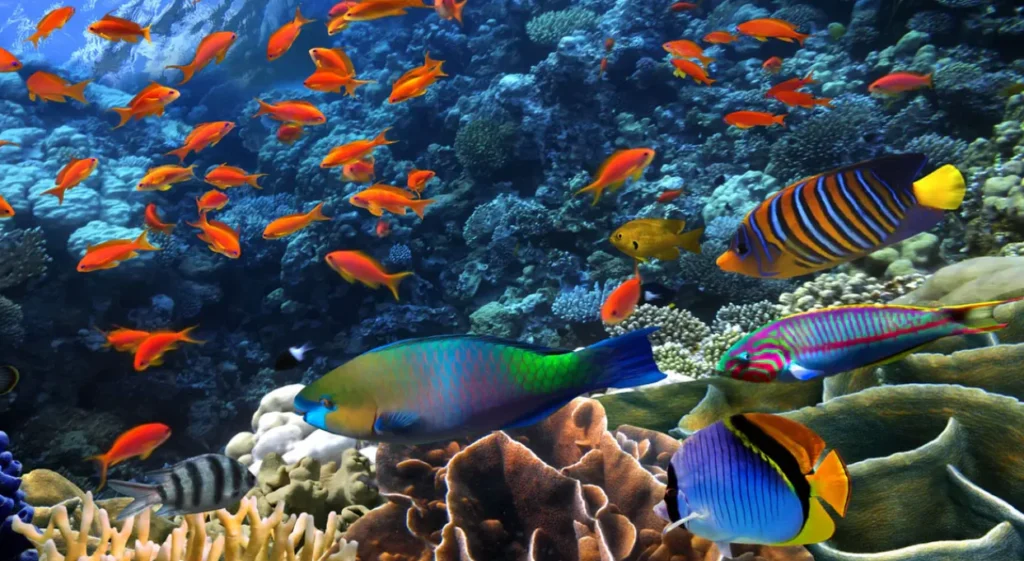
- Protect habitats: Safeguard coral reefs, wetlands, and rivers that serve as critical habitats for fish.
- Regulate fishing: Implement sustainable fishing practices to prevent overfishing and maintain stable fish populations.
- Create marine protected areas: Establish zones where fishing is restricted, allowing ecosystems to recover and thrive.
- Promote aquaculture: Support sustainable fish farming practices to reduce the pressure on wild fish populations.
By focusing on these protective measures, we can help preserve fish species for future generations.
Frequently Asked Questions (FAQs)
Q: What is the most common type of fish in the ocean?
A: The most common type of fish in the ocean is pelagic fish, which include species like herring and anchovies.
Q: How do fish adapt to different water temperatures?
A: Fish can regulate their metabolism and adjust their behaviors to thrive in cold or warm waters. Some species can even migrate to different temperature zones as needed.
Q: Why do some fish migrate?
A: Fish migrate to find breeding grounds, seek food, or avoid extreme environmental conditions. Salmon, for example, migrate from the ocean to freshwater rivers to spawn.
Q: How long does a fish’s life cycle last?
A: The length of a fish’s life cycle depends on the species. Some fish live only a few months, while others, like certain sharks, can live for over 50 years.
Q: What do fish eat in the wild?
A: Fish eat a variety of foods, including algae, small fish, plankton, and even plants, depending on their species.
Q: Are all fish species endangered?
A: No, but many species, especially those that are overfished or live in endangered habitats, are at risk of extinction.
Q: Can fish be kept in aquariums?
A: Yes, many species of fish are kept in aquariums, but it is important to replicate their natural habitat to ensure their well-being.
Q: How do fish reproduce?
A: Most fish reproduce by laying eggs, but some species give birth to live young.
Conclusion
The life cycle of fish is an intricate and essential process that ensures the survival and diversity of aquatic ecosystems. From hatching from eggs to reaching adulthood and reproducing, fish undergo remarkable transformations. They play an indispensable role in the food chain and support the health of aquatic habitats.
However, human actions such as pollution, overfishing, and habitat destruction pose significant threats to fish populations. By understanding their life cycle and taking steps to protect their environments, we can help preserve these fascinating creatures for future generations. The importance of fish in maintaining ecosystem balance cannot be overstated, and safeguarding their future is crucial to the sustainability of the natural world.
Also Read: roach life cycle