
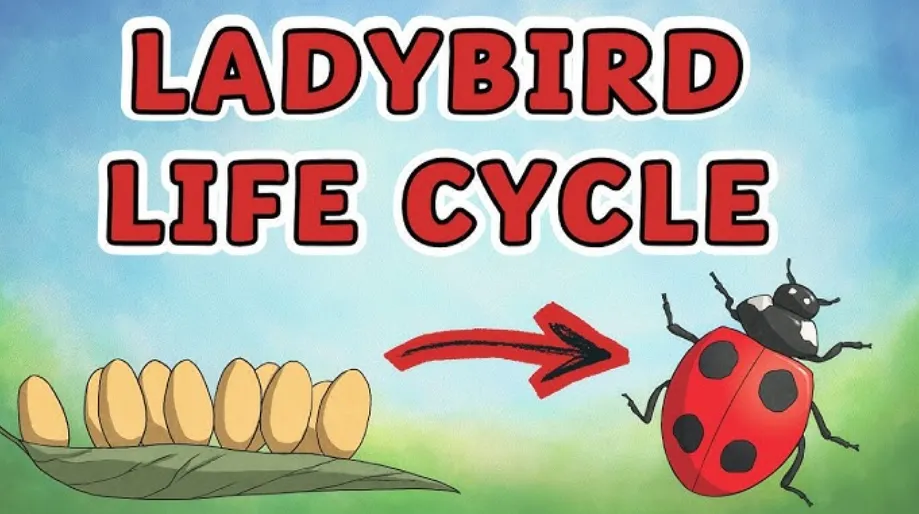
The life cycle of a ladybird, or ladybug, is an intricate process that showcases the beetle’s fascinating transformation from larvae to adulthood. These small, colorful insects are well-known for their role as natural pest controllers, particularly for aphids. But what exactly is the life cycle of a ladybird, and why are they so important in nature? In this article, we will delve deep into the stages of a ladybird’s life, from egg to adult, and explore their historical background, evolutionary journey, and ecological importance.
Quick Answers About Ladybirds:
- What is a ladybird?
- A ladybird (or ladybug in some regions) is a small, brightly colored beetle, often red with black spots. They are known for their ability to consume aphids and other small insects, making them beneficial for gardens and agriculture.
- What is the life cycle of a ladybird?
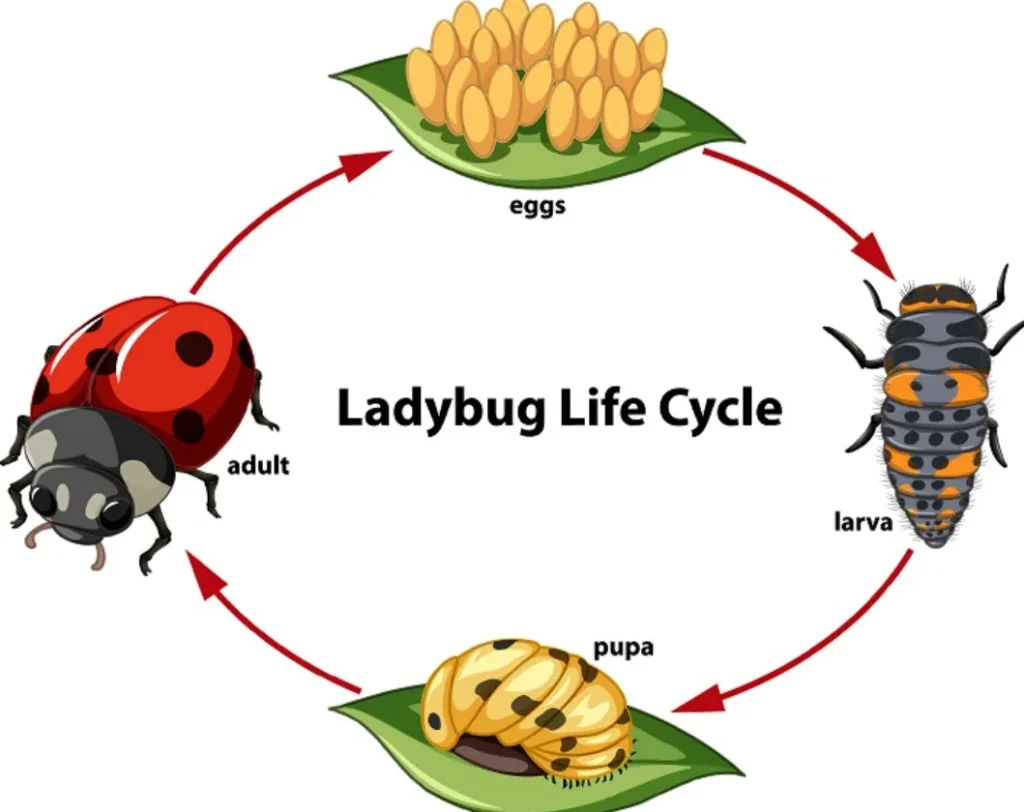
- The life cycle of a ladybird includes four stages: egg, larva, pupa, and adult. Each stage represents a significant transformation, allowing the insect to develop the traits needed for survival and reproduction.
- Why are ladybirds important in nature?
- Ladybirds play a crucial role in controlling pest populations, especially aphids, which are harmful to plants. By feeding on aphids, ladybirds help maintain a balanced ecosystem in gardens and agricultural settings.
Quick Life Cycle Table
| Stage | Duration | Description |
| Egg | 2-5 days | Ladybird eggs are typically yellow or orange and are laid in clusters on the underside of leaves, often near aphid colonies. |
| Larvae | 10-20 days | The larvae are elongated, black or dark, with orange or yellow markings. They actively hunt and consume aphids and other small insects. |
| Pupa | 7-10 days | The pupa is a resting stage during which the larvae undergo a dramatic transformation into an adult beetle. |
| Adult | Several months | The adult ladybird emerges with its characteristic red or orange body and black spots. It continues to feed on aphids and other pests, reproducing to continue the cycle. |
The History of Their Scientific Naming
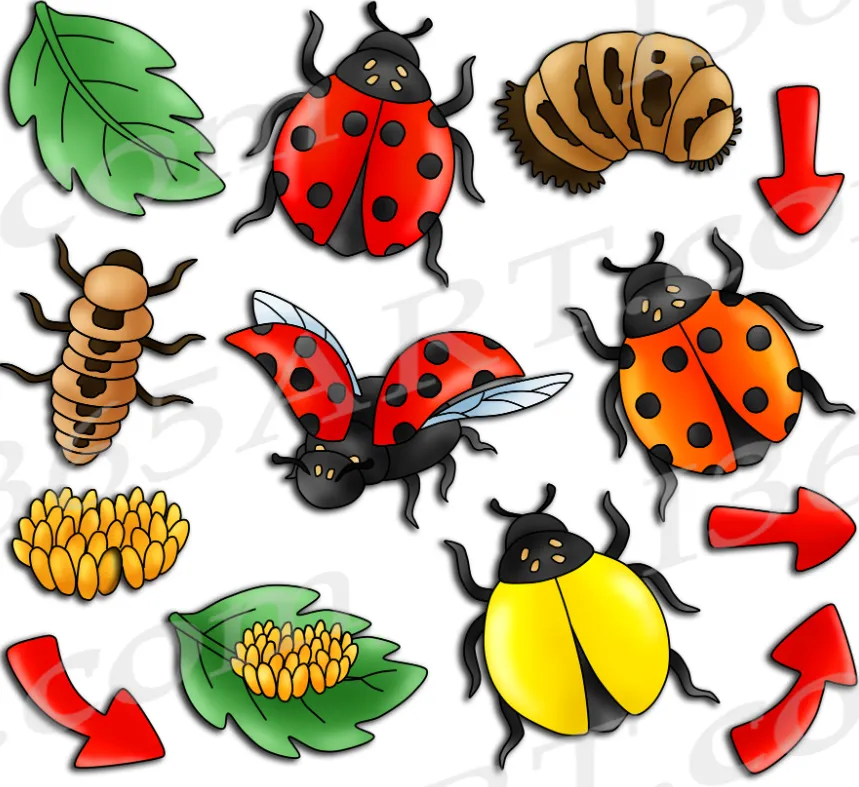
Ladybirds are scientifically known as Coccinellidae, a name derived from the Latin word coccineus, meaning “scarlet” or “red.” The name “ladybird” is believed to have originated from the Middle Ages, with the “lady” referring to the Virgin Mary, often depicted wearing a red cloak. Over the centuries, ladybirds have gained recognition for their pest-control abilities, and their scientific classification has been refined. They belong to the order Coleoptera, which includes beetles, and their family, Coccinellidae, comprises over 5,000 species worldwide.
Their Evolution and Their Origin
Ladybirds have evolved over millions of years, adapting to diverse environments and becoming among the most recognizable beetles in the world. Originating from the region now known as Asia, ladybirds gradually spread to Europe and North America.
Throughout their evolution, ladybirds have developed specialized features, such as their vibrant coloration and ability to feed on pests like aphids. This adaptation not only helps them survive but also makes them a valuable ally to farmers and gardeners. Over time, their diet and behavior have enabled them to thrive in both temperate and tropical climates, making them a widely distributed species worldwide.
Their Main Food and Its Collection Process
Ladybirds are primarily carnivorous, with a strong preference for aphids, small insects, and the soft-bodied larvae of other pests. They are equipped with specialized mouthparts that allow them to pierce and suck the juices from these tiny creatures. Their feeding process begins with locating aphid colonies on plants. Once they find a suitable spot, ladybirds use their sharp mandibles to pierce the bodies of aphids, extracting the nutrient-rich fluids.
This feeding behavior makes ladybirds invaluable in controlling pest populations in gardens and crops. They are known to consume up to 5,000 aphids in their lifetime, helping maintain healthy plant ecosystems.
Their Life Cycle and Ability to Survive in Nature
The Ladybird’s Life Cycle
The ladybird’s life cycle is a remarkable example of metamorphosis. From the moment they hatch from their eggs, ladybird larvae begin their hunt for food, typically consuming aphids in large quantities. After several weeks, the larvae enter the pupa stage, where they undergo a profound transformation. This process, known as pupation, prepares them for their adult form.
Upon emerging from the pupal stage, the adult ladybird begins its life anew, seeking out aphids to feed on and reproduce. This cyclical process of birth, growth, and reproduction ensures that ladybird populations remain abundant, helping them thrive in both natural and cultivated environments. Their ability to adapt to changing conditions is one reason they are so successful in pest control.
Their Reproductive Process and Raising Their Children
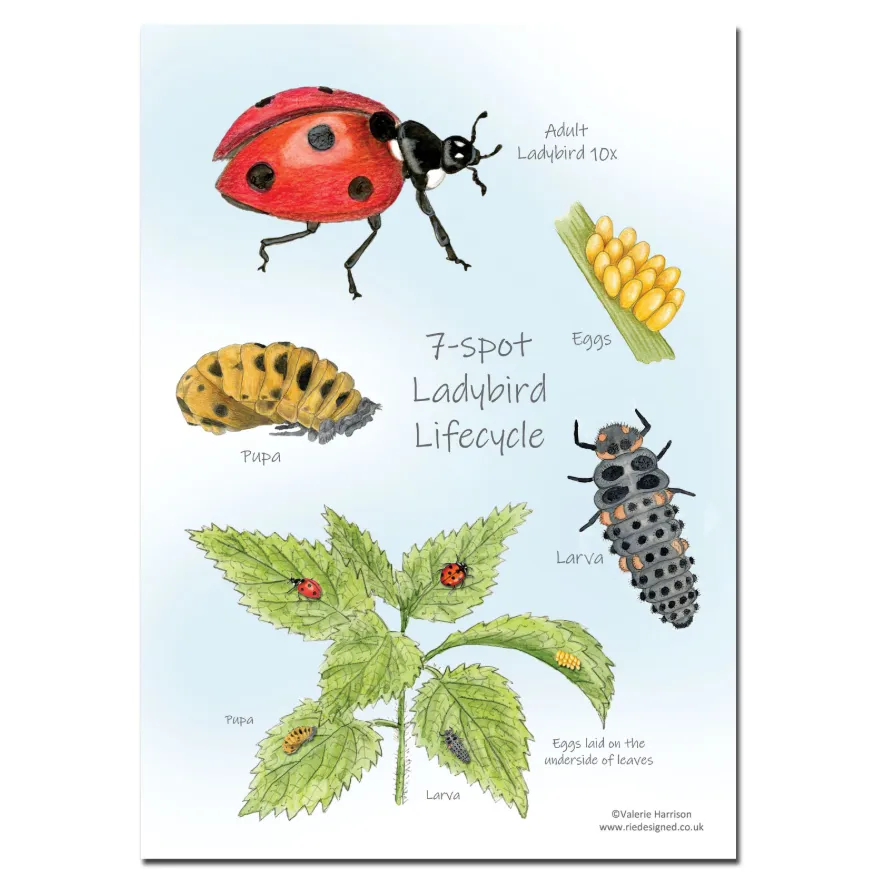
Ladybirds reproduce by mating during the warmer months. Female ladybirds lay eggs, usually in clusters, on the underside of leaves close to aphid colonies. After fertilization, the eggs hatch into larvae, which immediately begin feeding on aphids. During the pupal stage, the larvae undergo a remarkable transformation. The adult ladybird that emerges from the pupa is capable of continuing the cycle by seeking out food and finding a mate. As the cycle repeats, the ladybird population grows, helping maintain a balanced ecosystem.
Importance of Them in the Ecosystem
Ladybirds are essential for controlling pest populations in both natural and agricultural ecosystems. They serve as natural predators of aphids, scale insects, and other pests that can damage plants and crops. By consuming large numbers of these pests, ladybirds help reduce the need for chemical pesticides, promoting a healthier and more sustainable environment. Additionally, their role as pollinators in certain ecosystems further contributes to biodiversity and ecosystem stability.
Key Contributions of Ladybirds to the Ecosystem:
- Natural pest control, particularly for aphids
- Reduction of the need for chemical pesticides
- Pollination services in some environments
Important Things That You Need to Know About Ladybirds and LSI Keywords
Ladybirds are not just beautiful insects with striking colors, but they also play a vital role in pest control. They help keep aphid populations in check, making them an important part of sustainable gardening and agriculture. Ladybird larvae, ladybird beetles, and ladybird spiders are all integral parts of the ecosystem. Their unique ladybird deed, often a term associated with their ability to protect plants from pests, is a testament to their ecological value.
By understanding the importance of these insects and protecting their natural habitats, we can ensure their survival and maintain a balanced ecosystem. So, the next time you spot a ladybird, remember the crucial role they play in nature!
What to Do to Protect Them in Nature and Save the System for the Future
To ensure the continued presence of ladybirds in ecosystems, it’s essential to protect them from harmful environmental factors and support their habitat. Here are some ways to protect ladybirds:
- Avoid Pesticides: Minimize the use of chemical pesticides, as they can harm ladybirds and other beneficial insects.
- Plant Diverse Vegetation: Encourage the growth of plants that attract aphids and other prey for ladybirds.
- Provide Shelter: Create natural habitats such as hedgerows or wildflower meadows where ladybirds can thrive.
Frequently Asked Questions (FAQs)
- What are ladybirds known for?
- Ladybirds are known for their vibrant red or orange bodies with black spots, and their ability to control aphid populations in gardens and crops.
- How long does the life cycle of a ladybird take?
- The entire life cycle, from egg to adult, typically takes around 4 to 6 weeks, depending on environmental conditions.
- What do ladybirds eat?
- Ladybirds primarily eat aphids, but they will also feed on small insects and other soft-bodied pests.
- Are ladybirds beneficial for gardens?
- Yes, ladybirds are highly beneficial for gardens, as they consume aphids and other pests, helping prevent plant damage.
- How do ladybirds reproduce?
- Ladybirds mate during the warmer months, and females lay eggs in clusters on the underside of leaves, typically near aphid colonies.
- What is the importance of ladybirds in the ecosystem?
- Ladybirds help control pest populations, reduce the need for chemical pesticides, and contribute to biodiversity by acting as natural predators.
- Can ladybirds survive in different climates?
- Yes, ladybirds are adaptable and can survive in both temperate and tropical climates.
- What can I do to help protect ladybirds?
- Avoid using pesticides, plant diverse vegetation, and create habitats where ladybirds can thrive.
Conclusion
In conclusion, the life cycle of a ladybird is not only fascinating but also critical to maintaining a healthy and balanced ecosystem. By feeding on pests like aphids, ladybirds play an essential role in controlling plant-damaging insects.
Their evolution, reproductive process, and ability to adapt to various environments highlight their significance in nature. Protecting ladybirds by fostering natural habitats and reducing pesticide use will ensure that these beneficial insects continue to thrive for generations to come.
Also Read About: a fishes life cycle