
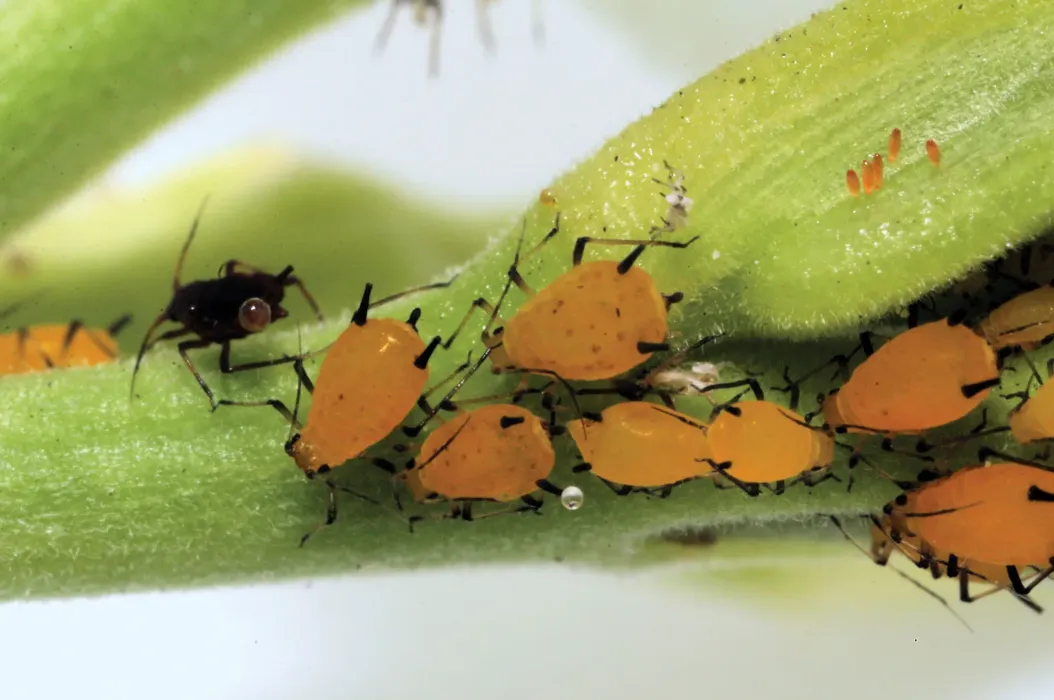
Aphids are tiny yet fascinating insects that play a critical role in our ecosystem. From their characteristic green, yellow, or black color to their often destructive nature in gardens and farms, aphids have intrigued entomologists and gardeners alike. The life cycle of an aphid is particularly remarkable, with different stages of growth and rapid reproduction. Aphids, often considered pests, are notorious for feeding on plant sap and damaging plants.
In this article, we will delve deep into the aphid life cycle, their origin, food sources, and how they impact the environment. We will also discuss how to control aphids and protect them for a healthier ecosystem. Understanding the aphid’s life cycle and role in nature can help us better manage them in agricultural settings.
Quick Answers:
- What is an aphid?
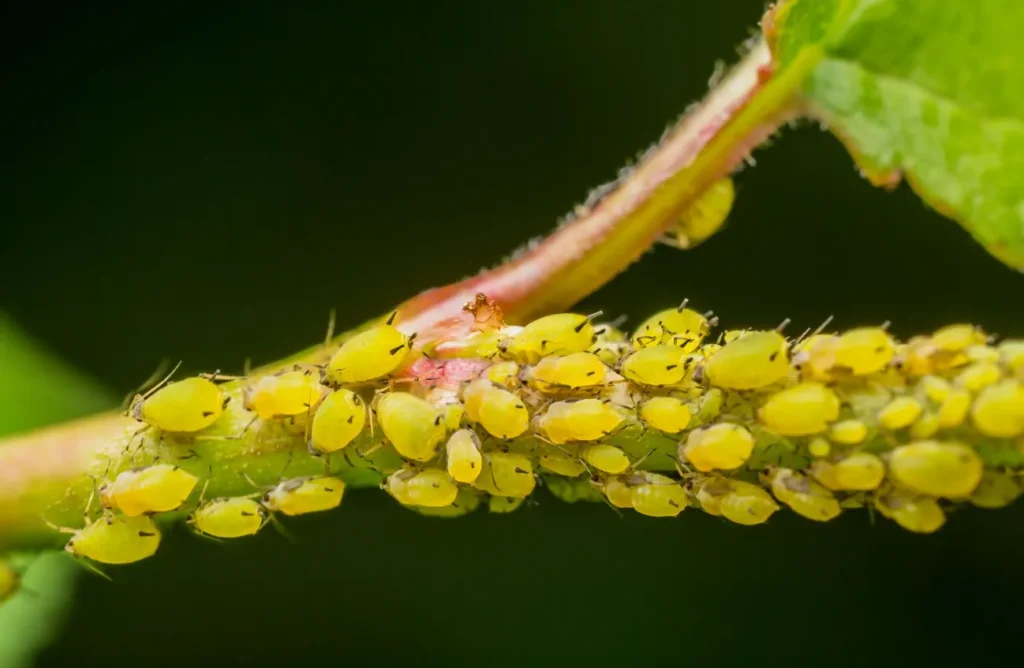
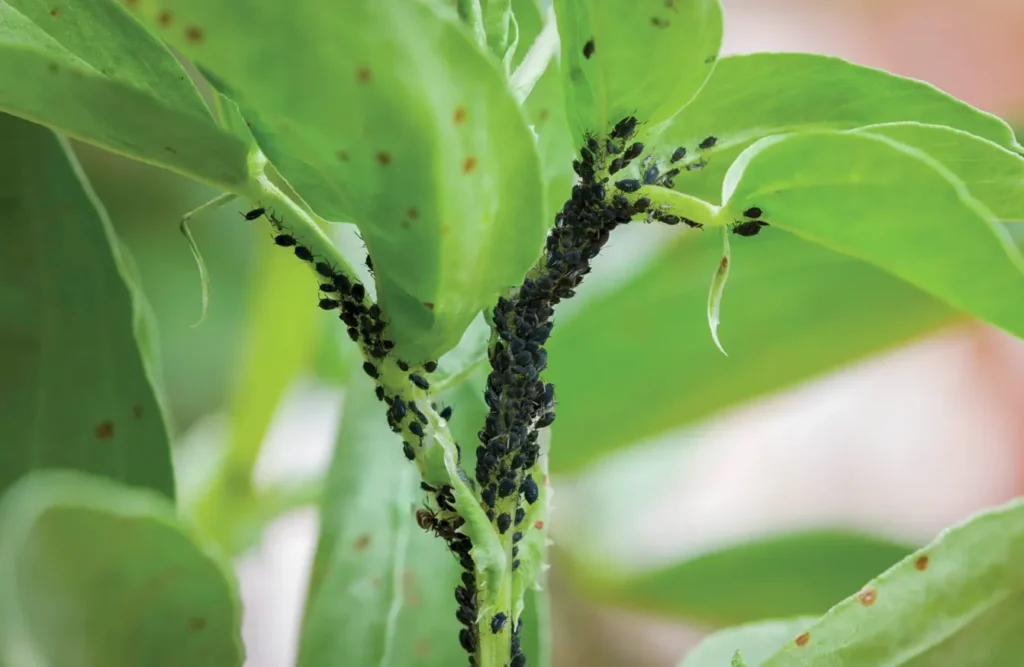
- An aphid is a small, soft-bodied insect known for its sap-feeding habits. They are found in various colors, including green, yellow, and black, and are common garden pests.
- How do aphids reproduce?
- Aphids reproduce both sexually and asexually. They are capable of parthenogenesis, where females give birth to live offspring without mating.
- What are the common types of aphids?
- The most common types include woolly aphids, greenfly, and blackfly, each affecting different plants in varying ways.
Quick Life Cycle Table
| Stage | Description |
| Egg | Aphid eggs are laid on plant stems or leaves in late fall. These eggs are the starting point of the aphid’s life cycle. |
| Nymph | The nymph hatches from the egg and resembles an adult aphid, but is smaller. Nymphs mature quickly, often reaching adulthood in 7–10 days. |
| Adult | The adult aphid is fully developed and begins the reproductive process. They are typically wingless but can develop wings when the population becomes overcrowded. |
| Reproduction | Adult females give birth to live offspring, known as “nymphs,” through asexual reproduction, sometimes producing generations in a single day. |
The History of Their Scientific Naming
The aphid family, scientifically known as Aphididae, was first described by the famous entomologist Carl Linnaeus in the 18th century. Linnaeus classified aphids under the order Hemiptera, which includes “true bugs.” The name “Aphid” itself comes from the Greek word “aphides,” meaning “louse” or “pest.” Over time, scientists have categorized various species within the family Aphididae based on color, size, and feeding habits.
Research into aphid species has provided better insights into their vast diversity, helping farmers and scientists develop more effective ways to control their populations. This has been especially important in agricultural settings, where aphids are known to cause significant crop damage. The classification of aphids has since evolved to capture better the various adaptations these insects have developed.
Their Evolution And Their Origin
Aphids belong to the insect order Hemiptera, which also includes cicadas, leafhoppers, and plant bugs. Their evolutionary origins can be traced back over 300 million years, during the Carboniferous period, when the earliest ancestors of aphids appeared. Over time, these insects evolved to become highly specialized in feeding on plant sap.
The first true aphids were likely small, slow-moving insects that targeted plants’ softer tissues. Over millennia, aphids evolved more advanced reproductive strategies, including parthenogenesis (asexual reproduction), enabling them to multiply rapidly. This evolutionary trait became a key factor in their success, allowing aphid populations to explode under favorable conditions. They also developed the ability to secrete honeydew, a sugary substance that often attracts ants.
Throughout their evolution, aphids adapted to a wide variety of plants, developing different feeding strategies and resistance to certain pesticides. In modern times, aphids are found on virtually every continent, with over 5,000 species described to date. Their widespread distribution and ability to feed on a vast range of plants have made them one of the most successful groups of insects in the world.
Their Main Food and Its Collection Process
Aphids primarily feed on plant sap, which they obtain using their specialized mouthparts known as stylets. These long, needle-like appendages pierce the plant’s vascular system and extract nutrient-rich sap. Aphids prefer soft, tender tissues such as young leaves and stems, where the sap is more readily accessible.
- Feeding Process: Aphids insert their stylets into plant tissue, forming a feeding tube through which they siphon sap. During this process, they inject saliva into the plant to facilitate the feeding and break down the sap into a more digestible form.
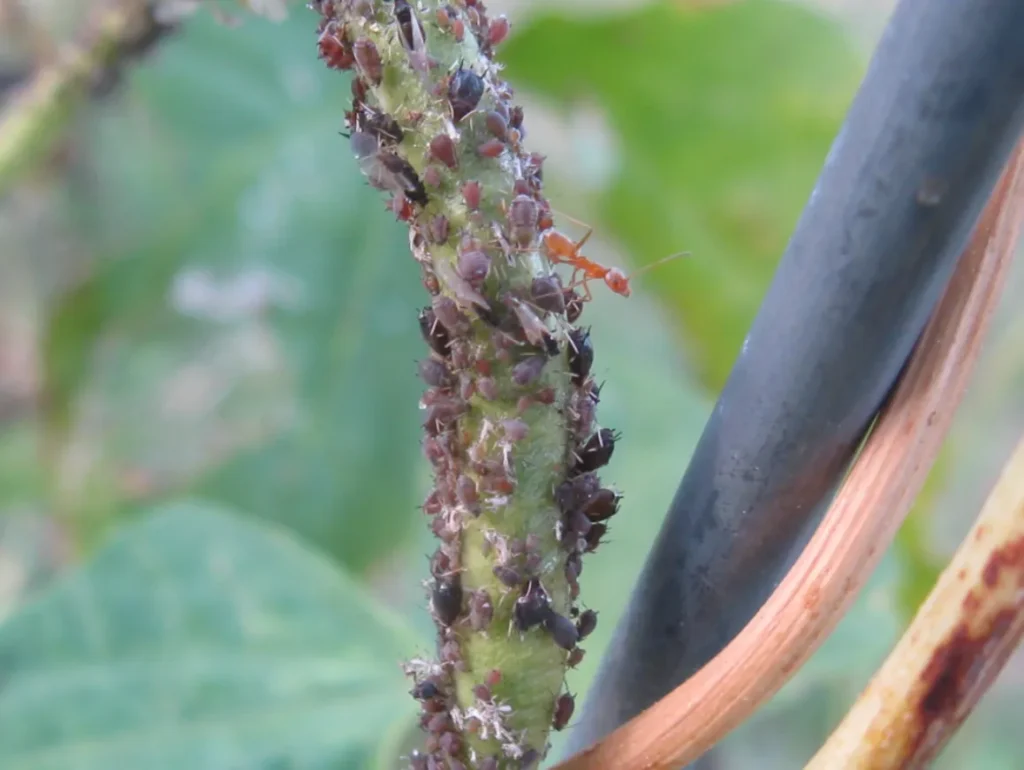
- Honeydew Production: As aphids feed, they excrete excess sugars and water in the form of honeydew, which can attract other insects like ants. This secretion often leads to the growth of sooty mold, which can further damage plants.
- Ant Mutualism: In some cases, aphids form a mutualistic relationship with ants, who protect aphids from predators in exchange for honeydew.
Their Life Cycle and Ability to Survive in Nature
Aphid Life Cycle and Survival in Nature
Aphids have a remarkable ability to reproduce rapidly, enabling them to establish large populations quickly. They go through several stages in their life cycle: egg, nymph, and adult.
- Egg Stage: Aphids lay eggs in late fall, typically on the branches or stems of plants. These eggs are designed to survive harsh winter conditions.
- Nymph Stage: After hatching, aphid nymphs begin to feed on plant sap. Within a week, they mature into adults, ready to reproduce.
- Reproductive Phase: Aphids are known for their rapid reproduction. Some aphid species can produce multiple generations within a single season, and virgin births are common in their reproductive process.
- Adaptation to Environmental Conditions: Aphids can thrive in diverse climates and can survive both cold winters and hot summers. During unfavorable conditions, some aphids will grow wings to migrate to new plants, ensuring survival and continued reproduction.
Their Reproductive Process and Raising Their Children
Aphids reproduce mainly through asexual reproduction (parthenogenesis), where females give birth to live offspring without mating. This method allows aphids to reproduce at an extraordinary rate, as a single female can produce hundreds of offspring in a matter of weeks.
- Asexual Reproduction: The majority of aphid offspring are clones of the mother, which allows aphid populations to grow exponentially.
- Sexual Reproduction: When conditions are less favorable, aphids switch to sexual reproduction, producing both male and female aphids that mate to lay fertilized eggs. These eggs can survive winter and hatch the following spring.
- Raising Offspring: Aphid offspring are born as nymphs, and after feeding and growing, they quickly become reproductive adults, continuing the cycle.
Importance of Them in This Ecosystem
Aphids play a crucial role in maintaining ecosystem balance, especially in plant communities. While often considered pests due to their ability to damage crops and plants, aphids contribute to the environment in several ways:
- Food Source: Aphids serve as food for many predators, including ladybugs, lacewing larvae, and birds. Their presence supports the food web in ecosystems.
- Pollination: In some cases, aphids also indirectly contribute to pollination. While feeding on plants, they may help transfer pollen from one flower to another.
- Soil Health: Aphids excrete honeydew, which can serve as a food source for beneficial microorganisms, thereby contributing to the soil nutrient cycle.
What to Do to Protect Them in Nature and Save the System for the Future
While aphids can be harmful in agricultural settings, it’s important to preserve their role in nature. Here’s what can be done to protect aphids:
- Encourage Natural Predators: Promote the presence of aphid predators, such as ladybugs, birds, and parasitoid wasps, which help control aphid populations.
- Avoid Overuse of Pesticides: Excessive pesticide use not only kills aphids but also their natural predators. Try using organic and natural pest control methods.
- Plant Diversification: Introduce a variety of plant species into gardens and fields to encourage biodiversity and reduce aphid infestations.
- Promote Ant-Free Environments: Ants protect aphids in exchange for honeydew, leading to aphid overpopulation. Discouraging ant colonies can help control aphids.
Frequently Asked Questions (FAQs)
- What is the lifespan of an aphid?
- Aphids typically live for 1-2 months, depending on environmental conditions.
- How do aphids affect plants?
- Aphids damage plants by sucking out their sap, causing wilting, yellowing, and even death in extreme cases.
- Can aphids transmit diseases?
- Yes, aphids can transmit viral diseases to plants while feeding on them.
- How do I control aphids in my garden?
- You can control aphids using natural predators, insecticidal soaps, or neem oil.
- Why do aphids have wings?
- Aphids grow wings when they become overcrowded, enabling them to migrate to new plants.
- Are aphids harmful to humans?
- Aphids do not bite humans, but they can damage plants important to agriculture and horticulture.
- How fast do aphids reproduce?
- Aphids reproduce rapidly, with females capable of producing up to 100 offspring in a day.
- What are woolly aphids?
- Woolly aphids are a type of aphid known for their waxy, cotton-like coating. They primarily affect woody plants.
Conclusion
Understanding the aphid life cycle is key to managing them effectively in agriculture and gardens. Though they are often seen as pests, aphids are an important part of the ecosystem. Their rapid reproduction and ability to adapt to environmental conditions have made them a resilient species. By understanding their life cycles, food sources, and ecological roles, we can develop more sustainable ways to manage aphid populations while preserving biodiversity for future generations.
Also Read: termite life cycle