
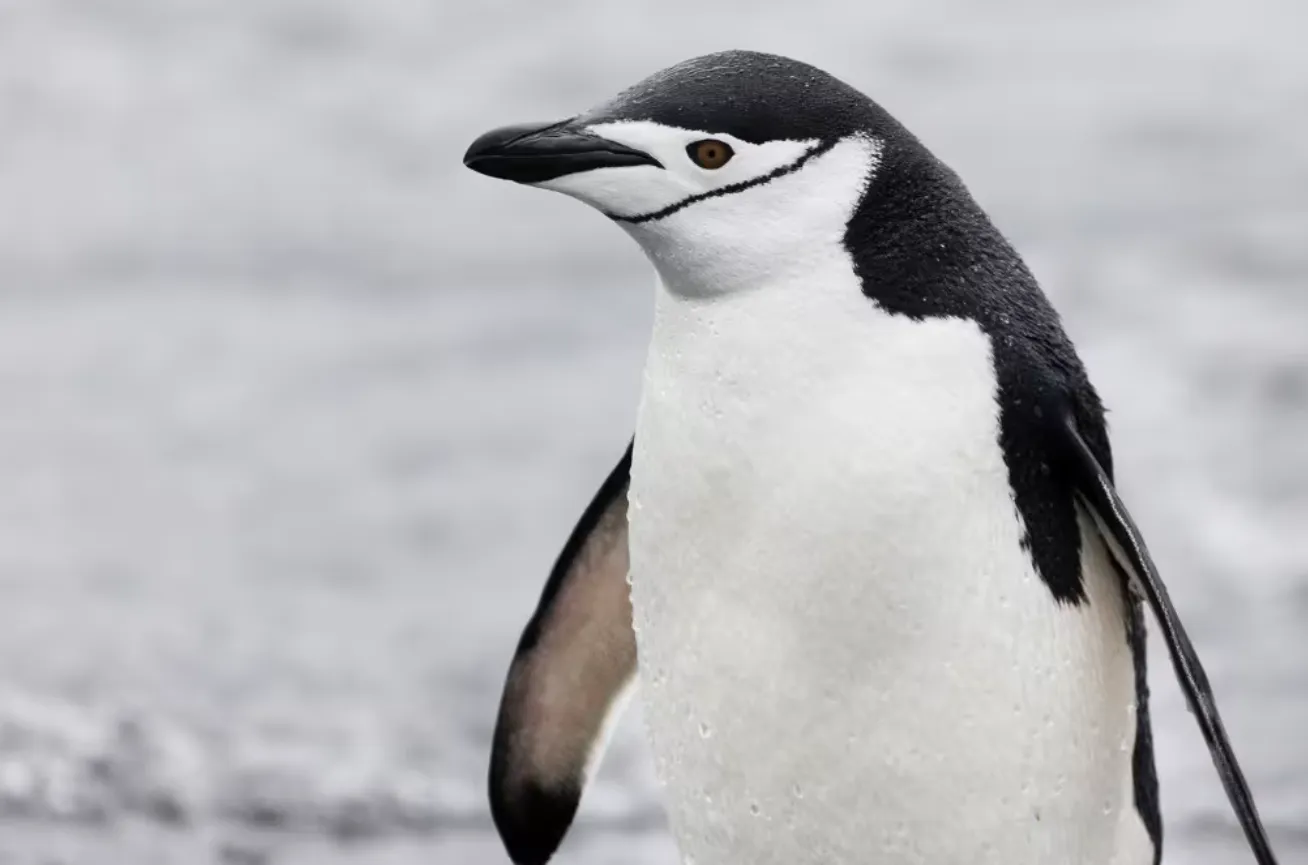
Penguins are one of the most unique and beloved bird species in the world. Known for their distinct tuxedo-like appearance, these flightless birds thrive in some of the most extreme environments on Earth, particularly in the Southern Hemisphere. But how does the life cycle of a penguin unfold?
Here are three of the most frequently asked questions about penguins’ life cycle:
- How do penguins reproduce?
- Penguins engage in a complex courtship process and exhibit interesting mating rituals. They typically lay one or two eggs, and both parents take turns incubating them.
- How long does it take for penguin chicks to grow?
- After hatching, penguin chicks go through several stages of development, with both parents caring for them until they are old enough to fledge (grow feathers and learn to swim).
- Do all penguin species follow the same life cycle?
- While the basic life cycle stages are similar across penguin species, the duration and specifics vary. Larger species, such as the Emperor penguin, have longer incubation and chick-rearing periods than smaller species.
Quick Life Cycle Table
| Stage | Timeframe | Details |
| Egg | 1-2 months | Penguins lay 1-2 eggs, and both parents incubate them. |
| Hatchling | 1-3 months | Chicks hatch and are fed regurgitated food by their parents. |
| Juvenile | 6 months – 2 years | Chicks grow and begin swimming and foraging on their own. |
| Adult | 3-5 years | Penguins reach sexual maturity and begin the breeding cycle. |
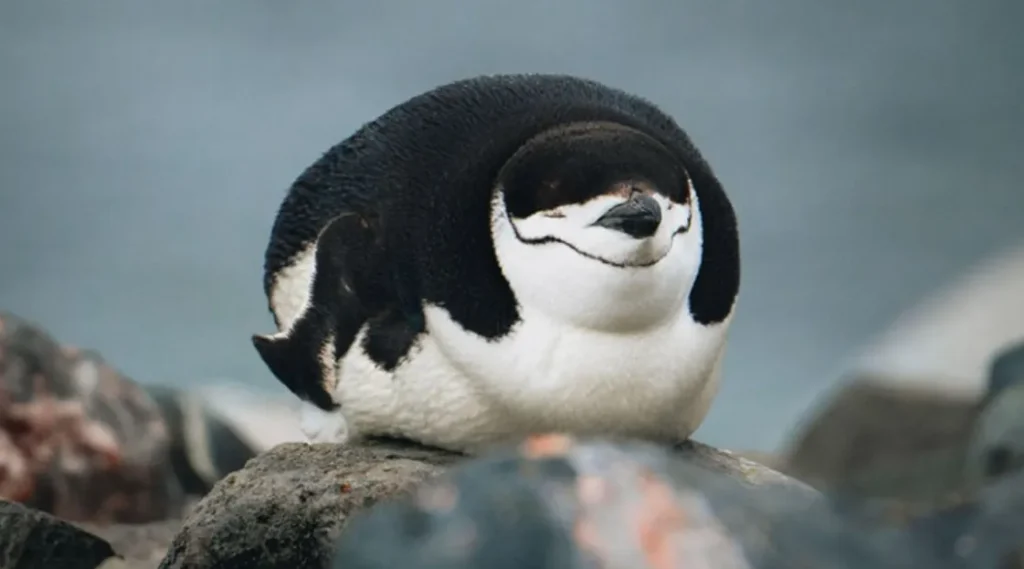
The History of Their Scientific Naming
The scientific name of the penguin, Spheniscidae, comes from the Greek word “sphen,” meaning “wedge,” referring to their wedge-shaped bodies. The most iconic penguin species, the Aptenodytes forsteri (Emperor penguin), was named by the naturalist Johann Reinhold Forster in 1781. The diversity within the penguin family has led to various species, each with a unique scientific name based on its physical characteristics and geographic location.
Their Evolution and Their Origin
Penguins evolved from flying birds that lived millions of years ago. Fossil records show that penguins’ ancestors could fly, but over time, they adapted to life in the water. This process of evolution allowed them to become the excellent swimmers we know today. Their evolution is thought to be tied to the pressures of the Southern Hemisphere’s harsh environment, where efficient swimming and diving were more beneficial than flight.
Interestingly, penguins have been around for over 60 million years. During that time, they have adapted to various climates, from the frigid Antarctic to more temperate regions like the coasts of South America and Africa. Modern penguins, such as the Emperor penguin, are highly specialized for cold environments, with dense plumage and a layer of fat to keep them warm.
The earliest penguins had wings similar to those of modern penguins, but they were better suited to swimming than to flying. Over millions of years, their wings became shorter, stronger, and more flipper-like, perfect for propulsion in the water.
Their Main Food and Its Collection Process
Penguins are carnivorous birds that feed primarily on fish, krill, and squid. They are skilled hunters and rely on their excellent swimming abilities to catch prey underwater. Their hunting process is fascinating; penguins often dive to impressive depths and swim at remarkable speeds, using their wings as flippers to propel themselves.
- Feeding at Sea: Penguins typically dive into the ocean in search of food. They use their strong beaks to catch small fish and krill, their primary diet.
- Regurgitation Feeding: Parent penguins regurgitate food to feed their chicks. This process is critical for chick survival, as young penguins are unable to hunt on their own.
- Foraging Techniques: Penguins may forage alone or in groups, depending on the species and environmental factors.
Their Life Cycle and Ability to Survive in Nature
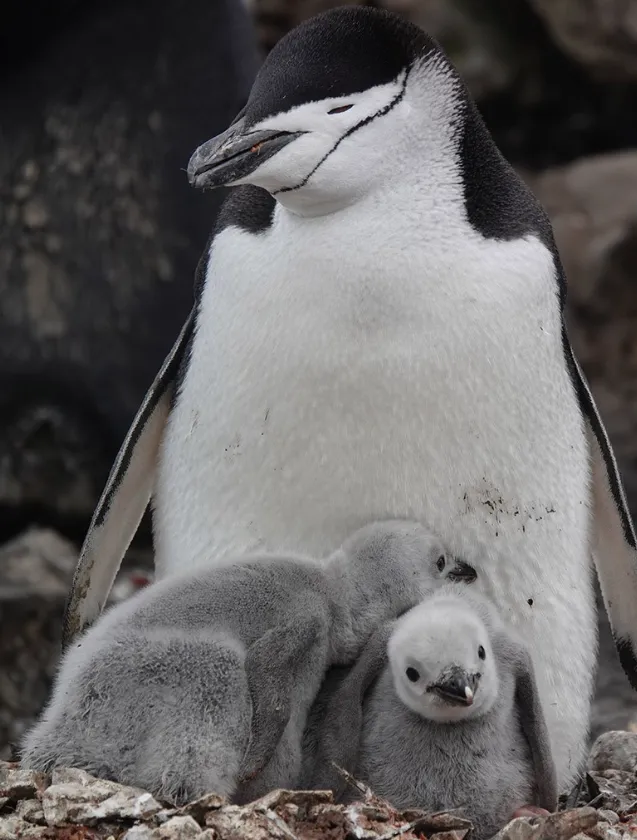
Penguins undergo several stages in their life cycle, each crucial to their survival. Their ability to thrive in harsh climates, such as the icy landscapes of Antarctica, is due to their well-adapted bodies, including specialized feathers and a high metabolic rate that helps them conserve heat.
Penguin chicks are highly vulnerable in their early stages of life, but through strong parental care, they quickly develop into more independent birds. The transition from hatchling to adult is a delicate process, and only a fraction of chicks survive to adulthood.
Key survival traits include:
- Thick Layer of Feathers: Penguins’ feathers are dense and provide excellent insulation.
- Social Structure: Penguins often live in large colonies that offer protection against predators.
- Strong Swimming Ability: Penguins’ flippers help them move quickly through water, making it easier to escape predators.
Their Reproductive Process and Raising Their Children
Penguins’ reproductive behavior is fascinating, and it includes unique behaviors such as mate selection, egg incubation, and chick rearing.
- Courtship and Mating: Penguins often engage in elaborate courtship rituals, including vocalizations, pebble-giving, and synchronized movements.
- Egg Incubation: Once the eggs are laid, both parents incubate them. In species like the Emperor penguin, the male takes on the responsibility of incubating the egg while the female hunts for food.
- Chick Rearing: After hatching, both parents care for the chick, feeding it regurgitated food until it is old enough to fend for itself.
Importance of Them in This Ecosystem
Penguins play a vital role in their ecosystems. As apex predators, they regulate fish populations, ensuring a healthy balance in marine ecosystems. Penguins are also an important part of the food chain, providing nutrients for other animals in their habitats.
Key ecological roles:
- Regulating Fish Populations: Penguins feed on small fish and krill, controlling these populations in the ecosystem.
- Marine Biodiversity Indicators: Penguins are often used as indicators of the health of marine ecosystems. A decline in penguin populations can signal changes in ocean health.
- Nutrient Cycling: Through their droppings, penguins contribute to nutrient cycling, supporting plant and marine life.
- Important Things That You Need To Know
- Penguins are one of the most unique creatures on Earth. As cold-adapted birds, they possess traits that allow them to thrive in harsh conditions. Whether it’s their thick feathers or social structures, penguins have evolved to survive. One important thing to note is their vulnerability to climate change. Rising temperatures threaten their habitats and food sources, making conservation efforts more critical than ever.
- Another fascinating aspect is their diverse behaviors across species. King penguins, for instance, have an intricate courtship ritual where males offer pebbles to females. In contrast, Emperor penguins are known for their unique parental care system, in which males incubate the eggs during the harshest conditions. Understanding penguins’ evolution and adaptations helps us appreciate the delicate balance they maintain in their ecosystems. Baby penguins, also known as chicks, rely on both parents for survival in the early stages, highlighting the importance of parental involvement.
What to Do to Protect Them in Nature and Save the System for the Future
Conserving penguin populations is critical, not just for the species themselves but for the health of marine ecosystems.
- Reduce Climate Change: Addressing global warming can prevent ice melting and the loss of penguin habitats.
- Protect Breeding Grounds: Establishing protected areas for penguin colonies can help safeguard their nesting sites.
- Sustainable Fishing Practices: Overfishing threatens penguin food sources; supporting sustainable fisheries can help maintain food availability.
- Pollution Reduction: Reducing plastic waste and ocean pollution can help protect penguins from ingesting harmful materials.
Frequently Asked Questions (FAQs)
- What is the life cycle of a penguin?
- Penguins’ life cycle includes stages such as egg laying, hatching, juvenile development, and reaching adulthood.
- How do penguins reproduce?
- Penguins reproduce by laying one or two eggs, which both parents incubate until they hatch.
- How long do penguins live?
- Penguins typically live 15-20 years, though lifespan varies by species.
- Do penguins migrate?
- Yes, some penguin species, like the Adelie penguin, migrate to find food, while others, like the Emperor penguin, stay in one location year-round.
- What do penguins eat?
- Penguins primarily eat fish, krill, and squid, which they hunt while swimming.
- How do penguins survive in cold climates?
- Penguins have a thick layer of feathers and fat that insulate them from the cold temperatures of their environment.
- Are all penguins the same size?
- No, penguin species vary in size, with the Emperor penguin being the largest and the Little Blue penguin being the smallest.
- What threats do penguins face?
- Penguins face threats from climate change, overfishing, pollution, and habitat loss.
Conclusion
The life cycle of penguins is a testament to the resilience and adaptability of these fascinating birds. From their unique reproductive process to their vital role in the ecosystem, penguins continue to intrigue and inspire. Protecting these iconic creatures and their habitats is crucial for maintaining the balance of marine life and ensuring that future generations can marvel at these incredible birds.
Also Read: stink bug life cycle