
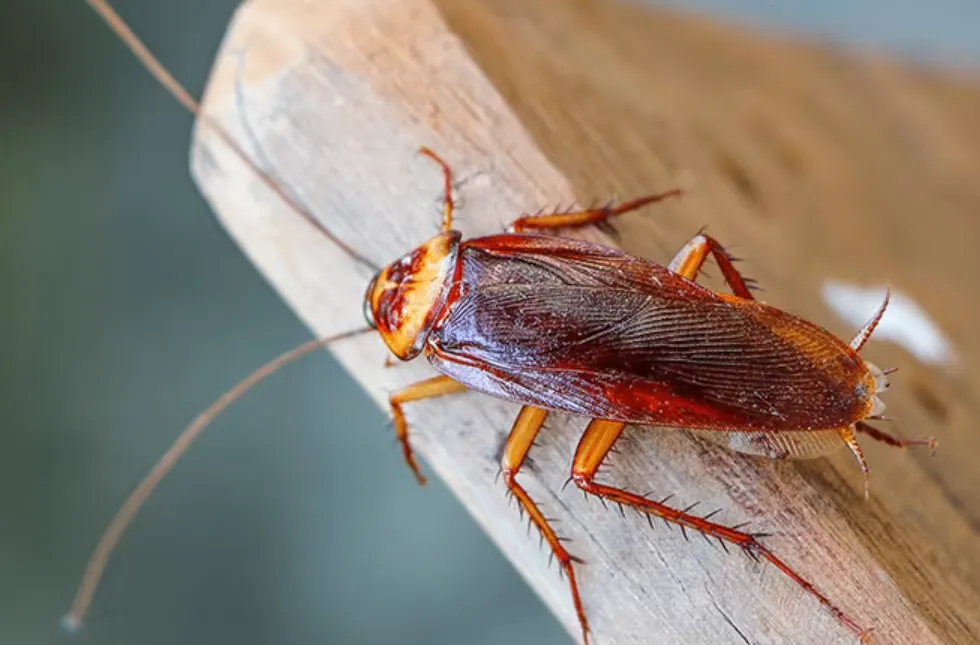
The cockroach life cycle is the full life cycle of a cockroach, from an egg case to a young baby cockroach, then to a mature adult. Cockroaches are insects from the order Blattodea. They do not grow like butterflies or flies because they have incomplete metamorphosis. This means there is no pupal stage.
Instead, they grow through egg, nymph, and adult stages. A female cockroach lays eggs inside a protective case called an ootheca. The number of eggs, hatching time, and adult lifespan vary among species. For example, a German cockroach can develop very quickly indoors, whereas an American cockroach usually takes much longer to reach adulthood. Cockroaches are often considered household pests, but most species live outdoors and are not major indoor pests.
In homes, restaurants, schools, drains, basements, and food-storage areas, they become a problem because they search for food, water, warmth, and places to hide. Their droppings, shed skins, saliva, and egg materials can also trigger allergies and asthma symptoms in sensitive people. : How many stages are in the cockroach life cycle?**
A: Scientifically, there are three main stages: egg, nymph, and adult. For easier understanding, this guide explains them in four practical parts: ootheca, hatching nymph, growing nymph, and adult.
Q: How long does a cockroach take to grow?
A: It depends on the species and temperature. A German cockroach may reach adulthood in about 70–100 days under suitable indoor conditions. Other species, such as the American cockroach, may take many months. : What is a baby cockroach called?**
A: A baby cockroach is called a nymph. It looks like a smaller adult cockroach, but it is usually wingless and not reproductively mature.
Quick Life Cycle Table
| Life Stage | What Happens | Common Time Range | Key Sign |
| Egg Case / Ootheca | The female produces a protective egg capsule | About 20–55+ days, depending on species | Brown capsule or egg case |
| New Nymph | Baby cockroaches hatch and begin feeding | First few days after hatching | Tiny, pale, or light young roaches |
| Growing Nymph | Nymphs moult several times and get larger | Weeks to many months | Wingless young cockroaches |
| Adult Cockroach | Adults feed, mate, and produce new egg cases | Several months to over a year in some species | Full body size, wings in many species |
Important Things That You Need To Know
Not every cockroach in a home belongs to the same species. Species identification matters because each one has a different life cycle, hiding habit, and control method.
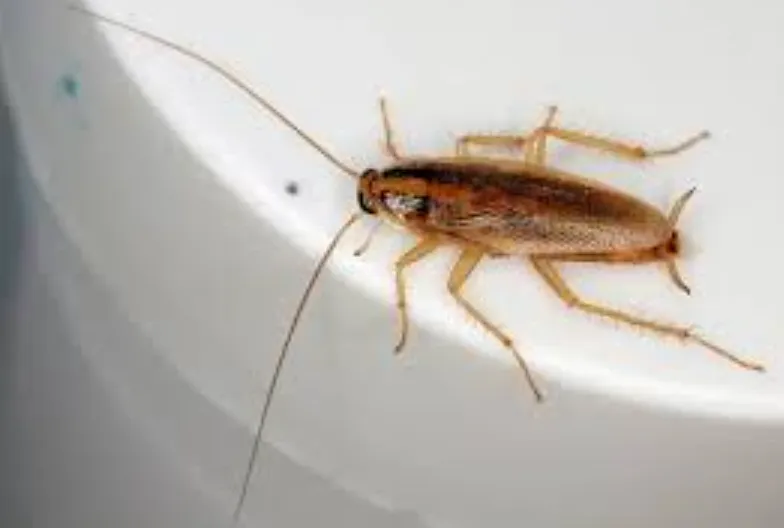
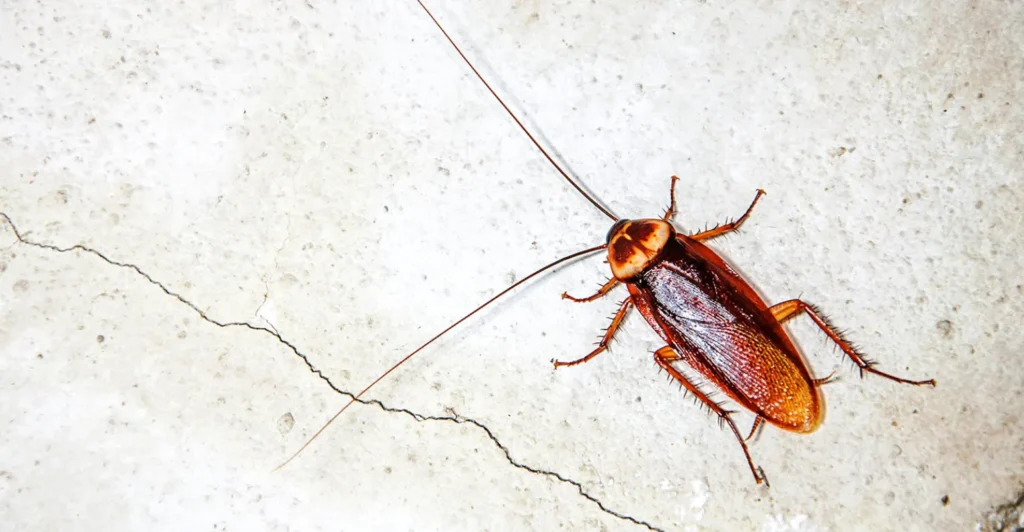
The German cockroach is one of the fastest indoor breeders. It is small, tan to light brown, and has two dark stripes behind the head. Females can produce several egg capsules during their lives, and each capsule may contain about 40 eggs. This is why a small kitchen problem can quickly become a large infestation. The American cockroach is larger and reddish-brown. It often prefers dark, moist areas such as drains, basements, sewers, and bathroom plumbing.
Its egg cases usually contain fewer eggs than German cockroach capsules, but the adults can live for a long time in suitable places. Baby cockroaches* are not a separate species. It is a nymph. Nymphs are smaller, usually wingless, and often hide deeper in cracks because they dry out easily and need safe shelter.
The oriental cockroach is another common pest species in many regions. It is darker and often linked with damp spaces, floor drains, crawl spaces, and outdoor-to-indoor entry points.
Cockroach poop is an important warning sign. It may look like black pepper, coffee grounds, dark smears, or small pellets, depending on the species and surface. Droppings can attract more cockroaches and may also contain allergen materials. Effective cockroach control should focus on cleaning, sealing cracks, reducing moisture, using monitoring traps, and applying baits carefully when needed.
The History of Their Scientific Naming, Evolution, and Origin
Scientific Naming of Cockroaches
Cockroaches belong to the order Blattodea. The word Blattodea is linked to the Latin word blatta, which has historically been used for insects that avoid light. Many household species also have scientific names, such as Blattella germanica for the German cockroach and Periplaneta americana for the American cockroach. Evolutionary Background
Cockroaches are one of the oldest groups of winged insects. Fossil and molecular research shows that cockroach-like ancestors are ancient, with deep evolutionary roots reaching back hundreds of millions of years. Modern cockroaches and termites are also closely related within Blattodea. Origin and Natural Spread
Most cockroach species are not indoor pests. Many live in forests, leaf litter, dead wood, caves, soil spaces, and tropical habitats. They became household pests because human buildings provide what they need: warmth, water, food scraps, and hiding spaces.
Why They Survived So Long
Cockroaches survived because they are flexible feeders, fast runners, strong hiders, and excellent at using small food sources. Their flat bodies allow them to enter cracks and crevices, while their nocturnal habits help them avoid predators and human activity.
Their Reproductive Process, Giving Birth, And Rising Their Children
Mating and Chemical Signals
Adult cockroaches use pheromones, chemical signals, to find mates and gather in suitable hiding places. In German cockroaches, mating and aggregation are strongly linked with food, moisture, temperature, and nearby shelter. Egg Case Production
After mating, the female produces an ootheca. This is a capsule that protects many eggs at once. The German cockroach female usually carries the capsule until close to hatching, which helps protect the eggs and places them in suitable conditions. The American cockroach female usually drops or attaches the capsule in a protected place after producing it. Hatching or “Giving Birth”
Common pest cockroaches do not give birth like mammals. Their young hatch from eggs inside the ootheca. When the nymphs come out, they are small, soft, and light colored. Their bodies soon harden and darken.
Raising Their Young
Most common household cockroaches do not “raise children” like birds or mammals. However, young nymphs often stay near adult groups because aggregation sites provide warmth, moisture, food traces, and safety. In German cockroaches, young nymphs can benefit from eating fecal material from other cockroaches because it may provide nutrients and gut microbes. Why Reproduction Becomes a Problem Indoors
One female can start a large infestation when food, water, and hiding places are available. This is why early cockroach control is important. Removing crumbs, sealing food, fixing leaks, and reducing hiding spaces can interrupt reproduction before the population grows.
Stages of the Cockroach Life Cycle
Stage 1: Egg Case or Ootheca
The first stage of the cockroach life cycle begins inside the ootheca. This capsule protects the eggs from drying, minor damage, and some environmental risks. The size and number of eggs vary by species.
A German cockroach ootheca may contain about 40 eggs and is often carried by the female until close to hatching. This gives the eggs a better chance of survival in indoor environments. Stage 2: Hatching Baby Cockroach
When the eggs are ready, small baby cockroaches hatch. These are called nymphs. New nymphs are soft, pale, and vulnerable. They soon darken and begin searching for food and moisture.
At this point, they look like tiny adults, but they do not have full wings and cannot reproduce.
Stage 3: Growing Nymph and Moulting
The nymph grows by moulting. Moulting means shedding the old outer body covering, called the exoskeleton. After each moult, the nymph becomes larger.
German cockroach nymphs commonly pass through about five or six nymphal stages, also called instars. Their development is strongly affected by temperature, food, water, and crowding. Stage 4: Adult Cockroach
After the final moult, the cockroach becomes an adult. Adult cockroaches focus on feeding, hiding, mating, and producing the next generation.
Adults of many species have wings, but not all cockroaches are strong flyers. Some mostly run, hide, and move through cracks. This adult stage completes the cycle and allows the population to continue.
Their main diet, food sources, and collection process are explained
Cockroaches are omnivorous scavengers. This means they can eat both plant-based and animal-based materials. In homes, they are attracted to crumbs, grease, spilled drinks, dirty dishes, pet food, food residue behind appliances, garbage, cardboard, paper, glue, and organic waste.
Common Food Sources
- Kitchen crumbs under cabinets, stoves, and refrigerators
- Grease and oil films around cooking areas
- Pet food left overnight
- Garbage bins without tight lids
- Moist organic waste in drains and sink areas
- Cardboard and paper glue in cluttered storage spaces
- Dead insects and shed skins in hidden areas
How They Collect Food
Cockroaches usually search for food at night. Their long antennae help them sense smell, moisture, surfaces, and nearby movement. They move along edges, corners, wall-floor joints, pipes, and cracks because these paths keep them close to shelter.
Why Water Is So Important
Food is not the only reason cockroaches enter buildings. Water is often the bigger attraction. Leaking pipes, condensation trays, wet mops, bathroom drains, and damp basements can support cockroach survival.
Feeding and Infestation Growth
When food and water are easy to find, cockroaches reproduce faster and survive longer. That is why cleaning, sealing food, removing grease, fixing leaks, and emptying trash are basic parts of cockroach control.
How Long Does A Cockroach Live
The answer depends on the species, temperature, humidity, food supply, water access, predators, and control pressure. A cockroach living inside a warm kitchen may survive and reproduce much better than one living outside in cold, dry, or exposed conditions.
- German cockroach lifespan: Adult female German cockroaches may live around 140–280 days, depending on conditions. Males usually live shorter lives. Their full egg-to-reproductive cycle can be fast in warm indoor spaces. German cockroach development time:* Under suitable indoor conditions, a German cockroach may reach adulthood in about 70–100 days. This fast development is one reason it is such a serious indoor pest. American cockroach lifespan:* The American cockroach usually develops more slowly. The female can produce several egg capsules, and the eggs may hatch in about 50–55 days under suitable conditions. Brown-banded cockroach lifespan:* The brown-banded cockroach female can produce several egg capsules, and eggs may take around 50–74 days to hatch. Adults may live for months in suitable indoor spaces. Nymph stage length:* The nymph stage can last from weeks to many months. In cool or food-poor conditions, growth is slower.
- Food and water effect: Cockroaches survive better where food crumbs, grease, and moisture are available. Dry, clean, and sealed environments make survival harder.
- Temperature effect: Warm indoor conditions usually speed up cockroach growth. Cold, dry, or unstable outdoor conditions can slow development and reduce survival.
- Predator effect: In nature, cockroaches are eaten by birds, reptiles, amphibians, spiders, small mammals, and other insects.
- Control effect: Baits, traps, sanitation, exclusion, and professional pest management can sharply reduce indoor cockroach survival when used correctly.
- Important note: “How long does a cockroach live?” has no single answer. A small German cockroach in a kitchen and a large American cockroach in a drain system can have very different growth rates and survival patterns.
Cockroach Lifespan in the Wild vs. in Captivity
Cockroach Lifespan in the Wild
In the wild, cockroaches face many challenges. They must find food, moisture, shelter, and mates while avoiding predators. They also deal with weather changes, flooding, drought, cold temperatures, competition, and parasites.
Wild cockroaches may live in leaf litter, soil cracks, rotting wood, tree bark, caves, and damp outdoor habitats. Their lifespan is often shorter than their maximum biological potential because natural risks are high.
Cockroach Lifespan Indoors
Indoor pest cockroaches often live longer and reproduce faster because buildings provide stable warmth, food waste, water, and hiding places. Kitchens, drains, bathrooms, storage rooms, and basements can create ideal conditions.
This is especially true for the German cockroach, which is strongly associated with human dwellings and thrives near food and moisture. Cockroach Lifespan in Captivity
In laboratory or controlled captive settings, cockroaches may live longer because food, water, temperature, and shelter are stable. Some species are even used in biological and toxicological research because they are hardy and easy to maintain.
Main Difference
The wild has more predators and environmental stress. Captivity has more stability. Indoor infestations sit between both worlds: they are not natural captivity, but human buildings can accidentally create ideal survival conditions.
Importance of the Cockroach Life Cycle in this Ecosystem
Natural Decomposers
In natural ecosystems, many cockroaches help break down dead leaves, rotting wood, plant remains, fungi, and other organic matter. This supports decomposition and nutrient cycling. Cockroaches and their gut microbes can help process organic materials and return nutrients to the soil system. Food for Other Animals
Cockroaches are part of the food chain. Birds, reptiles, amphibians, spiders, ants, centipedes, and small mammals may eat them. Removing every wild cockroach from an ecosystem would affect animals that depend on insects as food.
Soil and Nutrient Cycling
Outdoor cockroaches help break down dead organic matter into smaller particles and waste products. This can support microbial activity and soil fertility. Their movement through leaf litter and soil surfaces may also help mix organic material.
Difference Between Wild Role and Indoor Risk
Cockroaches are useful in nature, but indoor infestations are different. Inside homes, schools, hospitals, and restaurants, they can contaminate surfaces, trigger allergies, and spread bacteria to food-contact areas. So the goal is not to destroy cockroaches everywhere. The goal is to keep them out of human living spaces while protecting natural ecosystems.
What to do to protect them in nature and save the system for the future
1. Protect Natural Leaf Litter Areas
- Do not remove every layer of dead leaves from natural gardens, parks, or forest edges.
- Leaf litter gives shelter to insects and supports decomposition.
- Healthy soil ecosystems need decomposers, including many non-pest cockroach species.
2. Avoid Unnecessary Outdoor Pesticide Use
- Do not spray broad insecticides everywhere without a real reason.
- Unnecessary spraying can harm beneficial insects, soil organisms, and predators.
- Use targeted pest control only where there is a clear indoor or health risk.
3. Keep Cockroaches Outside, Not Inside
- Seal cracks, gaps, drains, and pipe entry points.
- Store food properly and remove indoor moisture.
- This protects human health without damaging outdoor insect diversity.
4. Support Predator-Friendly Habitats
- Birds, lizards, frogs, spiders, and other predators help balance insect populations.
- Avoid destroying every natural hiding place in gardens.
- A balanced habitat reduces the need for chemical control.
5. Manage Waste Responsibly
- Keep garbage sealed in human spaces.
- Compost properly and avoid open food waste piles near homes.
- Good waste management protects people while still allowing decomposers to work in natural areas.
Fun & Interesting Facts About Cockroach Life Cycle
- Cockroaches have incomplete metamorphosis, so they do not become pupae like butterflies or beetles.
- A baby cockroach is called a nymph, not a larva.
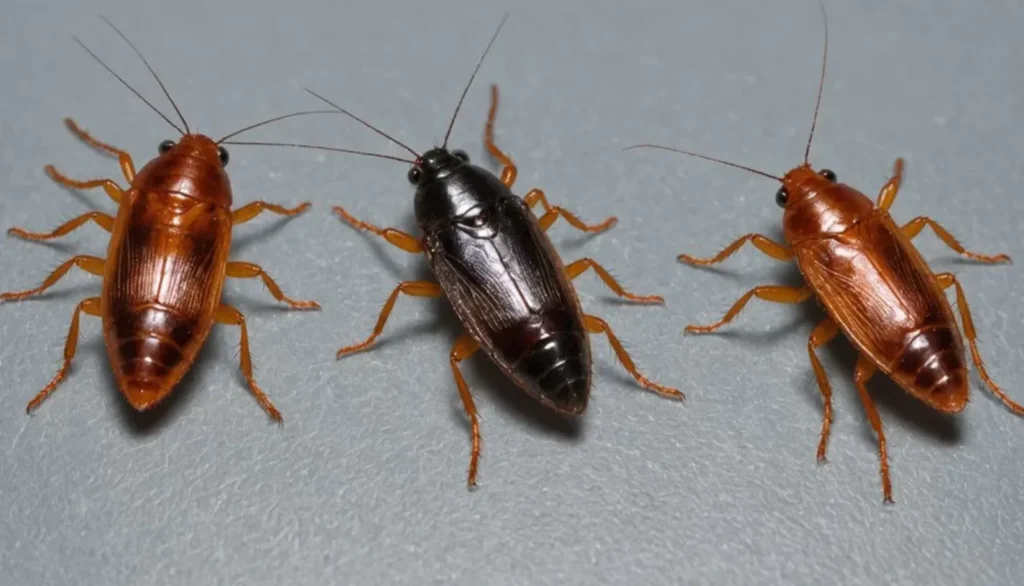
- Some newly hatched or newly moulted cockroaches look pale or white, but they are not usually “albino.” Their bodies darken after the new exoskeleton hardens.
- A female German cockroach can carry her egg case until close to hatching, which helps protect the eggs. Cockroach poop* can serve as a signal for other cockroaches, as fecal compounds may help guide aggregation behavior. Cockroaches are mostly nocturnal, meaning they are more active at night.
- Seeing cockroaches during the day can suggest crowding, food shortage, or a larger hidden infestation.
- Most cockroach species are not famous household pests. Many live quietly in natural habitats.
- Cockroaches are fast runners and use their flat bodies to hide in narrow cracks.
- Cockroach allergens can come from droppings, saliva, eggs, and shed skins, which is why cleaning and infestation removal are important for indoor health.
Frequently Asked Questions (FAQs)
Q: What are the main stages of the cockroach life cycle?
A: The main stages are egg, nymph, and adult. For practical learning, the process can be explained as ootheca, new nymph, growing nymph, and adult cockroach.
Q: How long does a German cockroach’s life cycle take?
A: A German cockroach can reach adulthood in about 70–100 days under suitable indoor conditions. This includes egg-case incubation, nymph growth, and early adult reproductive development. Q: What does cockroach poop look like?
A: Cockroach poop may look like black pepper, coffee grounds, tiny dark pellets, or dark smears. It is often found near hiding places, behind appliances, inside cabinets, near drains, and along wall edges.
Q: Are baby cockroaches dangerous?
A: A baby cockroach does not usually bite people, but its presence means the population may be breeding nearby. Nymphs also leave waste, shed skins, and allergen materials, so they should not be ignored.
Q: What is the best cockroach control method?
A: The best cockroach control method is integrated management: remove food, fix leaks, seal hiding places, clean droppings, monitor with sticky traps, and use baits carefully where needed. Sprays alone usually do not solve the root problem.
Conclusion
The cockroach life cycle is simple in structure but powerful in survival. A cockroach begins inside an ootheca, hatches as a small nymph, grows through several moults, and becomes an adult that can reproduce and continue the cycle. This process explains why cockroach problems can grow quickly when food, water, warmth, and hiding places are available.
Understanding the differences between a German cockroach, an American cockroach, a baby cockroach, an oriental cockroach, and signs like cockroach poop helps people respond faster and more effectively. At the same time, cockroaches are not only pests. In nature, many species help break down organic matter, recycle nutrients, and support food chains.
The best approach is balanced. Protect natural ecosystems, avoid unnecessary chemical use, and keep cockroaches out of homes through cleanliness, moisture control, sealing, monitoring, and smart cockroach control.
Also Read: a life cycle of a fly