
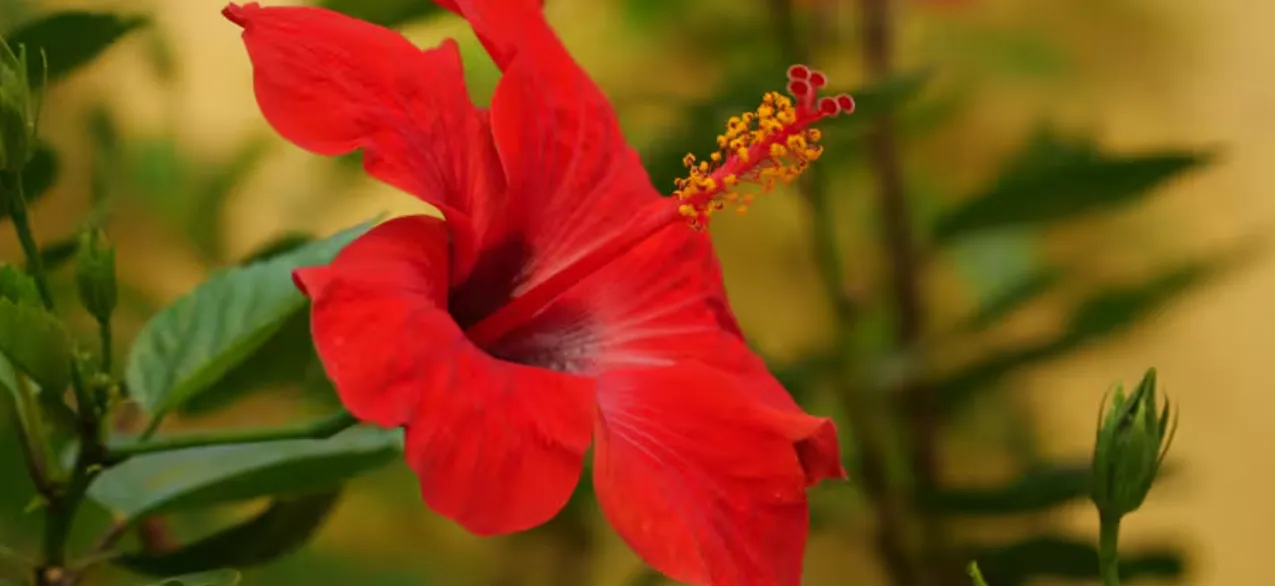
The angiosperm life cycle explains how flowering plants grow, reproduce, form seeds, and pass on their genes to the next generation. An angiosperm is a plant that produces flowers and keeps its seeds enclosed inside a fruit. This is the main difference between angiosperms and gymnosperms: gymnosperms usually have “naked seeds” that are not enclosed in fruits.
Angiosperms include many familiar plants such as rice, wheat, mango, rose, sunflower, grass, apple trees, orchids, tomatoes, and beans. They are the largest and most diverse group of land plants, with Britannica estimating about 352,000 species and around 80% of known living green plants.
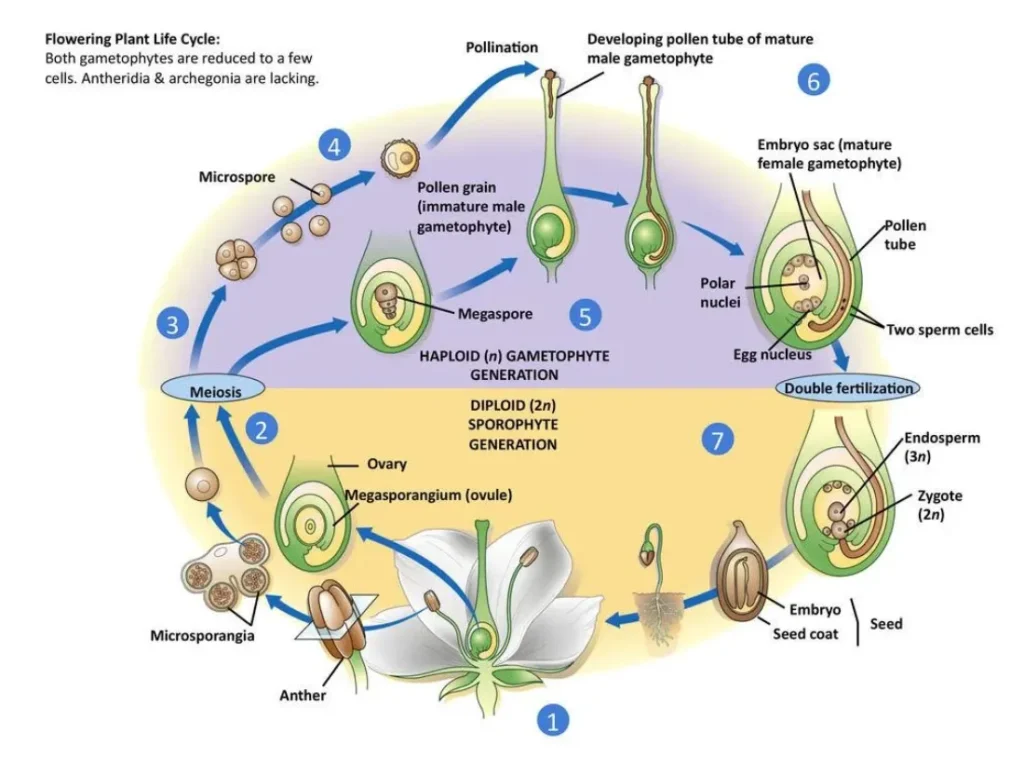
The life cycle of an angiosperm follows an alternation of generations, meaning it has both a sporophyte and a gametophyte stage. The visible plant we usually see is the sporophyte. Inside the flower, tiny male and female gametophytes develop. After pollination, fertilization, and seed formation, the plant produces fruits that protect and help spread the seeds.
Quick Answers: Most Common Questions
Q: What is an angiosperm?
A: An angiosperm is a flowering plant that produces seeds inside fruits. Examples include mango, rice, wheat, rose, sunflower, and apple.
Q: What is the main stage of the angiosperm life cycle?
A: The main visible stage is the sporophyte stage, where the plant has roots, stems, leaves, and flowers.
Q: What makes the angiosperm life cycle special?
A: Angiosperms have flowers, fruits, enclosed seeds, and double fertilization, which make their reproductive process highly successful.
Quick Life Cycle Table
| Life Cycle Stage | What Happens | Main Result |
| Seed Stage | A seed contains a young embryo and stored food. | The new plant is ready to germinate. |
| Germination | The seed absorbs water and begins to grow. | Root and shoot appear. |
| Seedling Stage | A young plant grows leaves and roots. | The plant begins photosynthesis. |
| Mature Plant | Plants form stems, leaves, and flowers. | Reproductive organs develop. |
| Pollination | Pollen moves from the anther to the stigma. | Male cells reach the female flower part. |
| Fertilization | A sperm cell joins an egg cell inside an ovule. | Zygote and endosperm form. |
| Fruit and Seed Formation | Ovule becomes seed; ovary becomes fruit. | Seeds are protected and dispersed. |
| Seed Dispersal | Wind, water, animals, or humans spread seeds. | New plants grow in new places. |
Important Things That You Need To Know
To understand the angiosperm life cycle, you should first understand a few related terms. The angiosperm definition is simple: angiosperms are plants that produce flowers and keep their seeds inside fruits. So, when someone asks what an angiosperm is, the easiest answer is “a flowering plant with enclosed seeds.”
The topic of angiosperms vs. gymnosperms is also important. Angiosperms produce flowers and fruits, while gymnosperms, such as pine and cycad, usually produce cones and naked seeds. In simple terms, gymnosperm vs angiosperm means open-seed plants versus enclosed-seed plants.
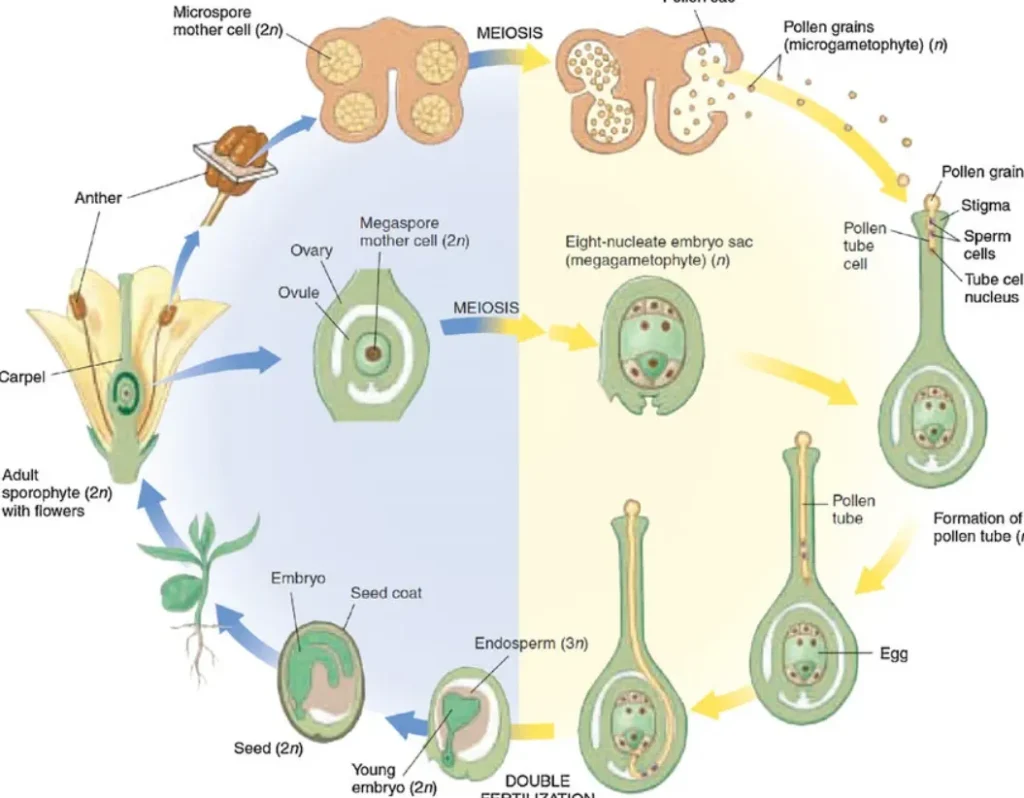
An angiosperm life cycle diagram usually shows this order: seed → seedling → mature flowering plant → flower → pollination → fertilization → fruit and seed → seed dispersal. This diagram is useful for students because it shows how one generation of plants connects to the next.
Angiosperms are also important because most of the world’s food crops come from them. Rice, wheat, maize, fruits, vegetables, nuts, spices, and many medicinal plants are all angiosperms. They also support pollinators, store carbon, protect soil, and provide habitats for many animals.
Because of their flowers, fruits, and efficient reproduction, angiosperms became one of the most successful plant groups on Earth.
The History of Their Scientific Naming, Evolution, and Origin
Scientific Naming of Angiosperms
The word angiosperm comes from Greek roots meaning “vessel seed” or “enclosed seed.” This name describes the most important feature of these plants: their seeds are enclosed in an ovary that later develops into a fruit. The group is also called flowering plants because flowers are their main reproductive structures.
Evolution of Angiosperms
Angiosperms became highly successful because they developed flowers, fruits, and efficient seed protection. These features helped them reproduce with the help of wind, insects, birds, bats, and other animals. Their fruits also helped seeds move to new places.
Modern research continues to improve the angiosperm family tree. A 2024 Nature study built a large phylogenetic tree of flowering plants using hundreds of nuclear genes and fossil evidence, showing that angiosperms diversified strongly over evolutionary time.
Origin of Angiosperms
The earliest widely accepted angiosperm fossils are generally linked to the Early Cretaceous Period, about 145 to 100.5 million years ago. Britannica also notes that some angiosperm-like pollen evidence may suggest an even earlier origin, but the Early Cretaceous record is the most accepted fossil evidence.
Their Reproductive Process, Giving Birth, And Rising Their Children
Angiosperms Do Not Give Birth Like Animals
Angiosperms do not give birth or raise young ones like animals. Instead, they reproduce through flowers, seeds, fruits, and germination. The “young plant” begins as an embryo inside a seed.
Flower as the Reproductive Organ
The flower is the main reproductive structure of an angiosperm. The male part, called the stamen, includes the anther and the filament. The anther produces pollen grains.
The female part is called the carpel or pistil, which includes the stigma, style, and ovary. The ovary contains ovules, where the egg cell is found.
Pollination Process
Pollination happens when pollen moves from the anther to the stigma. This can happen through wind, water, insects, birds, bats, or human activity. Bees, butterflies, flies, and other pollinators are especially important for many flowering plants.
Fertilization and Seed Formation
After pollination, the pollen grain forms a pollen tube that grows down through the style into the ovary. Two sperm cells travel through this tube. One sperm fertilizes the egg to form a zygote, and another sperm joins with polar nuclei to form endosperm, a food-rich tissue for the embryo. This is called double fertilization, a special feature of angiosperms.
Fruit as Protection
After fertilization, the ovule becomes a seed, and the ovary becomes a fruit. The fruit protects the seed and helps spread it to new places.
Stages of Angiosperm Life Cycle
1. Seed Stage
The seed stage is the beginning of a new angiosperm plant. A seed contains three important parts: the embryo, stored food, and the seed coat. The embryo is the baby plant, while the stored food supports early growth.
The seed coat protects the embryo from dryness, damage, and harsh environmental conditions. Some seeds can stay inactive for a long time until they receive the right amount of water, oxygen, and suitable temperature.
2. Germination Stage
Germination begins when the seed absorbs water. This process is called imbibition. The seed swells, enzymes become active, and the embryo begins to use stored food.
The first root, called the radicle, grows downward into the soil. Then the shoot grows upward toward the light. This stage is important because the young plant must quickly develop roots and leaves to survive.
3. Mature Sporophyte Stage
The plant develops into a mature sporophyte, the main visible part of the plant. It develops roots, stems, leaves, flowers, and vascular tissues. Roots absorb water and minerals, stems support the plant, and leaves make food through photosynthesis.
When the plant becomes mature, it produces flowers. These flowers contain male and female reproductive parts where pollen and ovules are formed.
4. Flowering, Fertilization, Fruit, and Seed Stage
During the flowering stage, pollination brings pollen to the stigma. The pollen tube grows, fertilization happens, and the embryo develops inside the seed.
The ovary becomes fruit, and the seeds become ready for dispersal. Seeds may spread through wind, water, animals, gravity, or human farming. When a seed reaches a suitable place, the cycle starts again.
Their main diet, food sources, and collection process are explained
Angiosperms Make Their Own Food
Angiosperms do not eat like animals. They are autotrophs, meaning they produce their own food through photosynthesis. In this process, leaves use sunlight, carbon dioxide, and water to produce glucose.
Glucose works as the plant’s energy source. It supports growth, flower formation, fruit development, seed production, and repair of damaged tissues.
Main Food Sources
The main food sources for angiosperms are:
- Sunlight for energy
- Carbon dioxide from the air
- Water from the soil
- Minerals such as nitrogen, phosphorus, potassium, calcium, and magnesium
- Oxygen for respiration
Leaves collect sunlight and carbon dioxide. Roots collect water and minerals. Stems transport these materials to different parts of the plant.
Collection Process
The roots absorb water and dissolved minerals from the soil. The xylem carries water upward from roots to leaves. The leaves use chlorophyll to capture sunlight.
After photosynthesis, the plant produces sugar. The phloem carries this sugar to growing parts, roots, flowers, fruits, and seeds.
This process makes angiosperms important producers in ecosystems. They create food not only for themselves but also for insects, birds, mammals, and humans.
How Long Does An Angiosperm Live
The lifespan of an angiosperm depends on its species, habitat, climate, genetics, and environmental stress. Some angiosperms live only a few weeks, while others survive for hundreds or even thousands of years.
- Annual angiosperms complete their life cycles in a single growing season. They germinate, grow, flower, produce seeds, and die within a year. Examples include rice, wheat, sunflower, mustard, and many garden flowers.
- Biennial angiosperms usually live for two years. In the first year, they grow roots, stems, and leaves. In the second year, they flower, produce seeds, and die. Examples include carrot, beetroot, and some cabbage relatives.
- Perennial angiosperms live for more than two years. Many trees, shrubs, grasses, and herbs are perennials. Mango, apple, rose, bamboo, and oak are examples.
- Some herbaceous perennials die back during harsh seasons but regrow from roots, bulbs, rhizomes, or tubers when conditions improve.
- Woody angiosperms, such as trees and shrubs, can live for decades or centuries. Their strong stems, bark, and deep root systems help them survive changing weather.
- Lifespan also depends on the environment. A plant growing in healthy soil with enough water and sunlight may live longer than a plant facing drought, disease, pollution, or habitat destruction.
- Human care can also extend lifespan. Proper watering, pruning, pest control, soil management, and protection from extreme weather can help cultivated angiosperms live longer.
In short, there is no single lifespan for all angiosperms. Their lives may range from short seasonal cycles to extremely long tree lifespans.
Angiosperm Lifespan in the Wild vs. in Captivity
Lifespan in the Wild
In the wild, angiosperms face natural challenges such as drought, floods, pests, disease, competition, grazing animals, poor soil, and sudden climate changes. Some plants die early because they cannot compete for light, water, or nutrients.
However, wild plants also grow in natural ecosystems where pollinators, soil organisms, and seed dispersers help them survive. Many native angiosperms are adapted to their local climates and can survive without human care.
Lifespan in Captivity or Cultivation
In gardens, farms, greenhouses, nurseries, and botanical collections, angiosperms may receive controlled care. They can get regular water, fertilizer, pruning, pest protection, and a suitable temperature.
As a result, some plants live longer in cultivation than in the wild. Fruit trees, ornamental plants, and rare flowers may survive better when protected from predators and extreme stress.
Main Difference
The main difference is that wild plants depend on natural balance, while cultivated plants depend on human care. But too much artificial care can also make plants weak if it undermines their natural resilience.
Importance of Angiosperm Life Cycle in this Ecosystem
Primary Food Producers
Angiosperms are major primary producers. They use sunlight to make food and form the base of many food chains. Herbivores eat their leaves, fruits, seeds, stems, nectar, and roots. Carnivores then depend indirectly on those herbivores.
Support for Pollinators
Flowers provide nectar and pollen for bees, butterflies, moths, flies, birds, and bats. Many pollinators depend on angiosperms for survival, and many angiosperms depend on pollinators for reproduction.
Food for Humans and Animals
Angiosperms provide most of the world’s fruits, vegetables, grains, nuts, oils, spices, and fibers. Britannica notes that angiosperms are a major source of food for humans and animals, both directly and indirectly.
Soil and Climate Support
Roots help hold soil together and reduce erosion. Forest angiosperms also store carbon, release oxygen, and help regulate local climate.
Habitat Creation
Many animals live in angiosperm-dominated habitats such as forests, grasslands, wetlands, orchards, and meadows. Their life cycle supports biodiversity from seed to fruit.
What to do to protect them in nature and save the system for the future
Protect Natural Habitats
- Save forests, wetlands, grasslands, and native plant areas.
- Avoid unnecessary clearing of wild flowering plants.
- Support protected areas and community conservation.
Reduce Pollution
- Avoid dumping chemicals, plastics, and waste into soil and water.
- Use safer farming and gardening methods.
- Reduce air pollution that can damage leaves and flowers.
Support Pollinators
- Plant native flowering plants.
- Avoid using harmful pesticides, especially during flowering.
- Keep small wildflower patches for bees, butterflies, and other pollinators.
Grow Native Plants
- Native angiosperms are adapted to local soil, rainfall, and wildlife.
- They support local insects, birds, and soil organisms better than many non-native plants.
- Use native species in gardens, parks, roadsides, and farms.
Save Seeds and Plant Diversity
- Seed banks, botanical gardens, and local farmers can help preserve plant diversity.
- Saving different varieties protects future food security.
- Avoid relying on a single crop variety across large areas.
Fun & Interesting Facts About Angiosperm Life Cycle
- Angiosperms are flowering plants, but not all flowers are large or colorful. Some are tiny and hard to notice.
- The fruit of an angiosperm is actually a mature ovary that protects seeds.
- Double fertilization is one of the most unique features of angiosperms.
- Many of the foods people eat every day, such as rice, wheat, potatoes, apples, bananas, tomatoes, and beans, are angiosperms.
- Some angiosperms depend on wind for pollination, while others depend on insects, birds, bats, or water.
- Grass is also an angiosperm, even though its flowers are small and not showy.
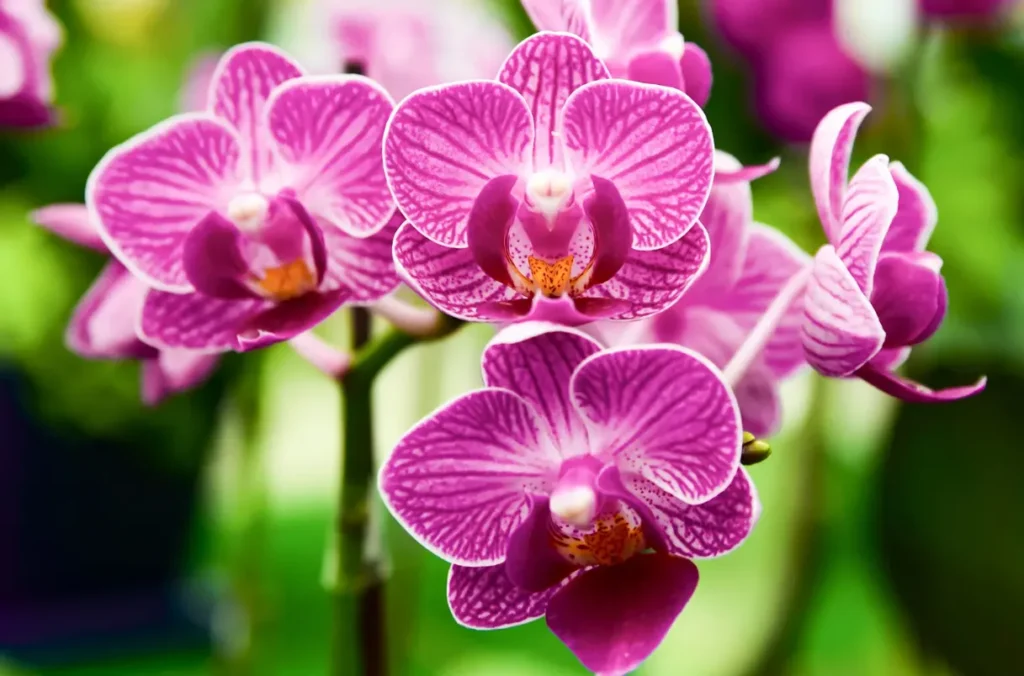
- Orchids are among the most diverse flowering plant groups.
- Some seeds can remain dormant for years before germinating.
- Fruits attract animals, and animals help spread seeds through eating or carrying them.
- The angiosperm life cycle diagram is one of the easiest ways to understand plant reproduction because it clearly connects flowers, seeds, fruits, and new plants.
Frequently Asked Questions (FAQs)
Q: What is the angiosperm life cycle?
A: The angiosperm life cycle is the process by which a flowering plant grows from a seed, becomes mature, produces flowers, forms seeds and fruits, and starts a new generation.
Q: What is an angiosperm definition in simple words?
A: An angiosperm is a flowering plant that produces seeds inside fruits. Examples include rice, mango, rose, sunflower, and apple.
Q: What is the difference between angiosperms and gymnosperms?
A: Angiosperms produce flowers and enclosed seeds inside fruits. Gymnosperms usually produce cones and naked seeds without fruits.
Q: Why is double fertilization important in angiosperms?
A: Double fertilization forms both the embryo and the endosperm. The embryo becomes the new plant, while the endosperm provides stored food for early development.
Q: What should an angiosperm life cycle diagram include?
A: A good angiosperm life cycle diagram should include seed, germination, seedling, mature plant, flower, pollination, fertilization, fruit formation, seed dispersal, and new plant growth.
Conclusion
The angiosperm life cycle is one of the most important natural processes on Earth. It explains how flowering plants grow, reproduce, form seeds, produce fruits, and continue life from one generation to the next. From tiny grasses to giant trees, angiosperms support ecosystems by producing food, oxygen, shelter, nectar, fruits, and seeds.
Understanding what an angiosperm is, how it differs from a gymnosperm, and how its reproductive cycle works helps us better understand nature. The special features of angiosperms, such as flowers, enclosed seeds, fruits, and double fertilization, make them highly successful plants.
Protecting angiosperms means protecting food systems, pollinators, wildlife, forests, soil, and the future of biodiversity. Their life cycle is not only a biology topic; it is a key part of life on Earth.
Also Read: grasshopper life cycle