
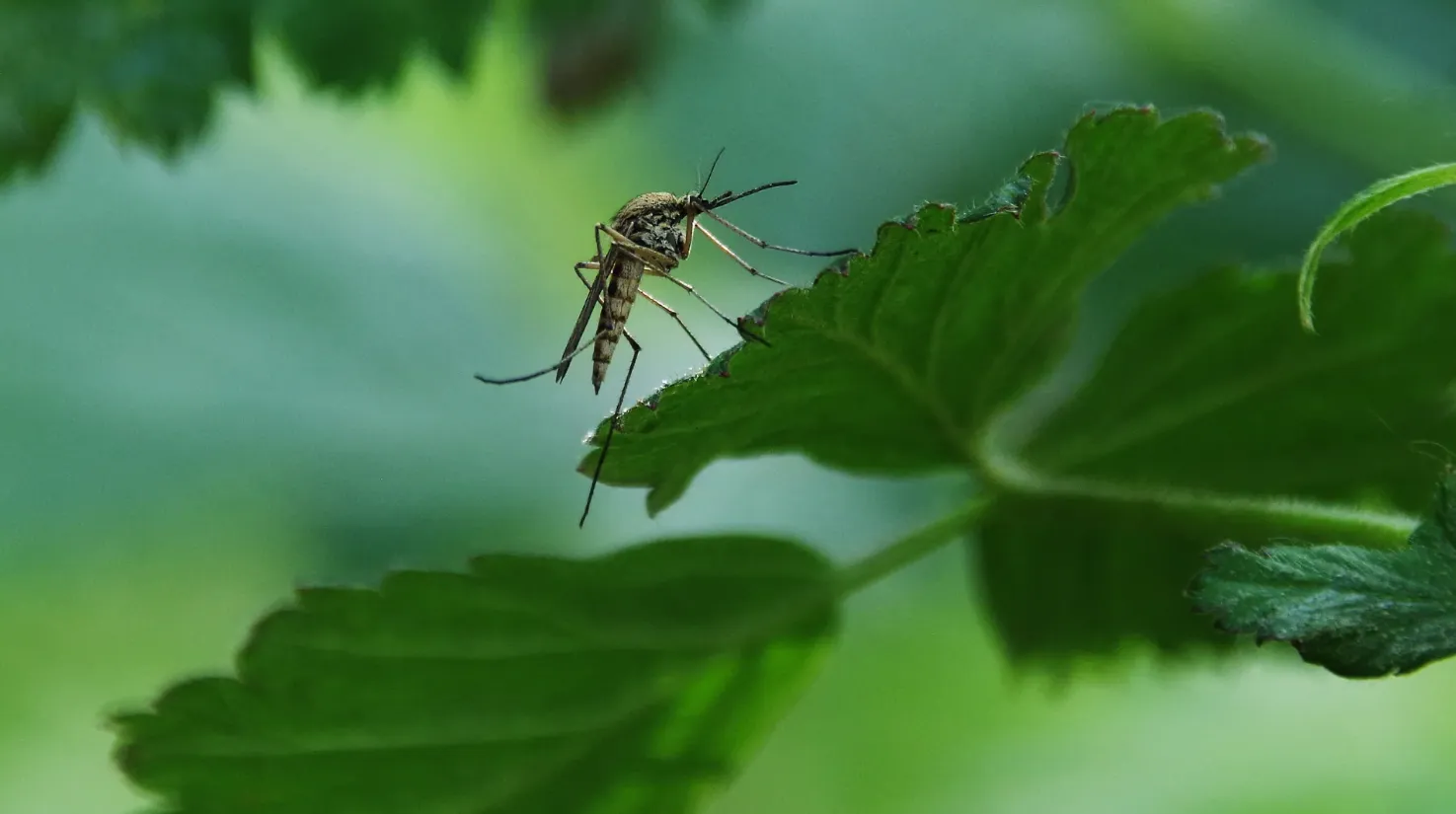
The mosquito life cycle is the complete development process from egg to adult. Mosquitoes are small, flying insects in the family Culicidae and are found in most parts of the world. Their life cycle is important because it explains how mosquitoes grow, reproduce, feed, and survive in different environments.
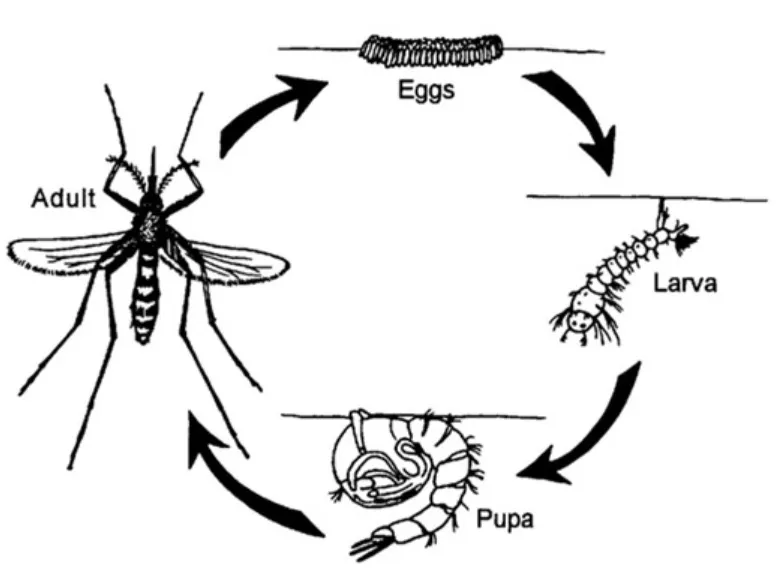
A mosquito passes through four main life stages: egg, larva, pupa, and adult. The first three stages happen in or near water, while the adult stage happens in the air. This is why standing water is the most important breeding place for mosquitoes. The full mosquito life cycle can be very fast. Under warm, suitable conditions, it may take only a few days; in cooler or less favorable conditions, several weeks. The EPA notes that the life cycle typically takes about 2 weeks, but can range from about 4 days to 1 month depending on conditions.
Understanding the mosquito life cycle helps people control mosquito populations naturally and safely. It also helps explain why removing stagnant water from buckets, flowerpots, tires, drains, and other containers is one of the most effective ways to reduce mosquito populations.
Quick Answers: Most Common Questions
Q: What are the 4 stages of the mosquito life cycle?
A: The four stages are egg, larva, pupa, and adult mosquito.
Q: How long does the mosquito life cycle take?
A: It usually takes about one to two weeks, but it can be faster or slower depending on temperature, water, food, and mosquito species.
Q: Do all mosquitoes bite humans?
A: No. Only female mosquitoes bite people and animals to feed on blood, mainly because blood helps them produce eggs. Male mosquitoes feed on plant nectar and other sugar sources.
Quick Life Cycle Table
| Stage | Where It Lives | Main Activity | Time Period |
| Egg | On water, near water, or damp surfaces | Waits for water and hatches | Usually 1–3 days, but some eggs survive longer |
| Larva | Water | Eats microorganisms and grows | Around 4–14 days |
| Pupa | Water | Changes into adult form | Around 1–4 days |
| Adult | Air, plants, shelters, houses, outdoors | Mates, feeds, and reproduces | Usually 2–4 weeks |
Important Things That You Need To Know
The mosquito is not just an annoying insect. It has a complex life cycle, a special feeding system, and a real role in nature. A mosquito’s life cycle begins when a female lays eggs in or near water. These eggs hatch into mosquito larvae, which live in water and feed on tiny organic materials. After that, larvae become pupae, and then adult mosquitoes emerge.
One important thing to remember is that not every mosquito spreads disease. There are more than 3,700 mosquito species worldwide, but only some act as vectors that can spread germs to humans and animals.
The adult mosquito has different feeding habits depending on sex. Male mosquitoes do not bite people. They mostly feed on nectar and plant juices. Female mosquitoes also use sugar as a source of energy, but many need a blood meal to produce eggs.
The mosquito egg stage is strongly connected with water. Some mosquitoes lay eggs directly on water, while others lay eggs on damp surfaces that may later flood. This is why small containers, blocked drains, old tires, buckets, and plant saucers can become breeding grounds for mosquitoes.
For a healthy ecosystem, mosquitoes are also valuable. They are food for fish, birds, bats, frogs, spiders, and dragonflies. Some mosquitoes also visit flowers and may support pollination.
The History of Their Scientific Naming, Evolution, and Origin
Scientific Naming
The mosquito belongs to the animal kingdom Animalia, the phylum Arthropoda, the class Insecta, the order Diptera, and the family Culicidae. Important mosquito genera include Aedes, Anopheles, and Culex. Britannica lists mosquitoes under the family Culicidae, with these major genera commonly linked to different ecological and public health roles.
Origin of the Name Mosquito
The word mosquito comes from Spanish and Portuguese roots, meaning “little fly.” This name fits because mosquitoes are small, two-winged flies. Like other flies, they belong to the order Diptera, which means they have one pair of true wings.
Evolution and Ancient History
Mosquitoes are ancient insects. Fossil evidence shows that mosquito relatives existed millions of years ago. Recent research on amber fossils suggests that mosquitoes had already developed important features long ago. A 2025 research paper reported a fossil mosquito larva from about 99 million years ago, supporting the idea that mosquito evolution dates back to the age of dinosaurs.
Their Origin in Nature
Mosquitoes likely evolved in wet, warm habitats with standing water. Because their early stages need water, they became closely linked with ponds, marshes, tree holes, floodwater, containers, and other aquatic microhabitats.
Their Reproductive Process, Giving Birth, And Rising Their Children
Mosquitoes Do Not Give Birth Like Mammals
Mosquitoes do not give live birth. Instead, female mosquitoes reproduce by laying eggs. After mating, many female mosquitoes search for a blood meal because the protein in blood helps their eggs develop. The CDC explains that female mosquitoes need blood to produce eggs.
Mating Process
Adult mosquitoes usually mate soon after emerging from the pupal stage. Male mosquitoes often locate females by detecting wingbeat sounds and chemical signals. After mating, the female can begin the egg-production cycle.
Egg Laying
Female mosquitoes lay eggs in different ways depending on the species. Anopheles mosquitoes often lay eggs one by one directly on water. The CDC notes that female Anopheles mosquitoes may lay 50–200 eggs at a time.
Other mosquitoes, such as some Aedes species, may lay eggs on damp container walls or surfaces that later become flooded. This allows eggs to wait until water is available.
No Parental Care
Mosquitoes do not raise their young. After laying eggs, the female leaves. The eggs hatch into larvae when conditions are suitable. Larvae survive by feeding on microorganisms, algae, fungi, bacteria, and organic particles in the water.
Fast Reproduction
Because mosquitoes can reproduce quickly, a small amount of standing water can create many adults in a short time. This is why mosquito control focuses strongly on stopping the early stages before adults emerge.
Stages of the Mosquito Life Cycle
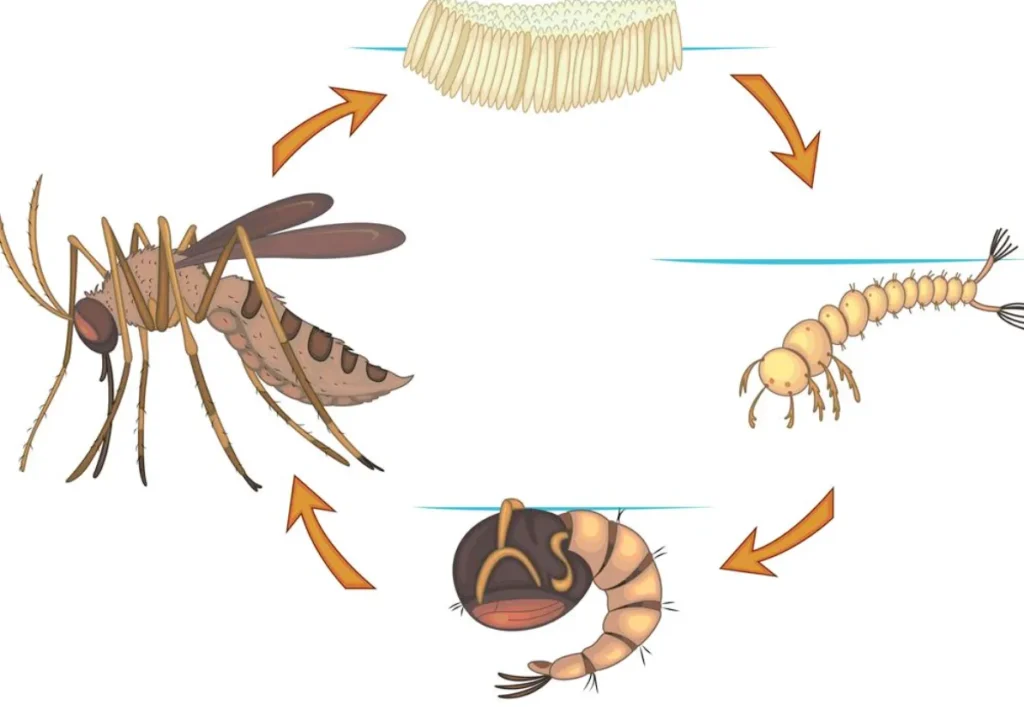
Stage 1: Egg
The egg stage is the beginning of the mosquito life cycle. Female mosquitoes lay eggs on water, near water, or on damp surfaces that may later flood. Some mosquito eggs hatch quickly after coming into contact with water, while others can survive dry conditions for a period.
Eggs are very small and may be laid singly or in groups, depending on the mosquito species. Culex mosquitoes often lay eggs in rafts, while Anopheles mosquitoes usually lay eggs one by one on water.
Stage 2: Larva
The larva is the second stage and is often called a wriggler because of its movement in water. Mosquito larvae live fully in water but must come to the surface to breathe. Many larvae use breathing tubes, while some species use special body structures.
During this stage, larvae eat actively. They feed on algae, plankton, fungi, bacteria, and decaying organic matter. The American Mosquito Control Association explains that larvae usually live in water for about 4 to 14 days, depending on water temperature and species.
Stage 3: Pupa
The pupa is the transformation stage. It is often called a tumbler because it moves with a tumbling motion when disturbed. The pupa does not eat. Instead, it uses this stage to change from a larva into an adult mosquito.
The pupal stage usually lasts around 1 to 4 days, depending on species and temperature. During this time, the adult body forms inside the pupal case.
Stage 4: Adult Mosquito
The adult mosquito emerges from the pupal case and rests on the water surface until its body dries and hardens. After that, it flies away and begins feeding, mating, and reproducing.
Adult males usually feed on nectar and plant juices. Female mosquitoes also use sugar for energy, but many females need blood to develop eggs. Adult mosquitoes may live indoors or outdoors and can bite during the day or night, depending on the species.
Their main diet, food sources, and collection process are explained
Nectar and Plant Sugars
The main natural food source for most adult mosquitoes is plant-sourced sugar. Both male and female mosquitoes feed on nectar, sap, fruit juices, and other sugary plant liquids. Smithsonian notes that mosquitoes rely on sugary plant liquids for most of their diet.
Blood Meal for Female Mosquitoes
Female mosquitoes do not drink blood for general hunger in the same way humans eat food. They use blood mainly as a protein source for egg development. This is why only female mosquitoes bite people and animals.
Larval Diet in Water
Mosquito larvae feed in water. Their diet includes:
- Algae
- Bacteria
- Fungi
- Plankton
- Tiny organic particles
- Decaying plant matter
Some mosquito larvae are even predatory and may eat other mosquito larvae, but this is not true for all species.
How Mosquitoes Find Food
Mosquitoes use several signals to locate hosts and food sources. Female mosquitoes can detect carbon dioxide, body heat, moisture, smell, movement, and other signals from animals and humans. For plant food, they visit flowers and other sources of sugar.
Why Diet Matters in the Life Cycle
Food affects mosquito growth and reproduction. Larvae need enough microorganisms and organic particles to grow properly. Adult females need enough energy and, in many species, blood protein to produce healthy eggs.
How Long Does A Mosquito Live
The lifespan of a mosquito depends on species, temperature, humidity, food availability, predators, and breeding conditions. A mosquito’s life is usually short, but because it reproduces quickly, populations can grow fast.
- Average adult lifespan: Adult mosquitoes often live about 2 to 4 weeks, depending on species and environmental conditions. Females often live longer than males.
- Male mosquito lifespan: Male mosquitoes live shorter lives. Their main role is to mate. They feed on nectar and do not bite humans or animals.
- Female mosquito lifespan: Female mosquitoes usually live longer because they must feed, mate, produce eggs, and lay eggs. Some females may complete several egg-laying cycles in their lifetime.
- Life cycle from egg to adult: The complete development from egg to adult may take about one to two weeks in warm conditions. The EPA states that the full life cycle can range from about 4 days to one month, depending on environmental factors.
- Temperature effect: Warm weather speeds up mosquito development. Cooler temperatures slow down larval growth and may extend the life cycle.
- Water quality effect: Mosquito larvae need water with enough food particles. Some species prefer clean water, while others can develop in polluted or organic-rich water.
- Predator effect: Fish, dragonfly larvae, frogs, and other aquatic animals may eat mosquito larvae, reducing survival.
- Human environment effect: Buckets, tires, plant pots, roof gutters, drains, and uncovered tanks can help mosquitoes survive near homes.
- Seasonal survival: Some mosquito species survive difficult seasons as eggs, larvae, or adults. This helps them return when conditions become suitable again.
Mosquito Life Cycle Lifespan in the Wild vs. in Captivity
Mosquito Lifespan in the Wild
In the wild, a mosquito faces many risks. Eggs may dry out, larvae may be eaten by fish or insects, pupae may fail to emerge, and birds, bats, spiders, frogs, or weather changes may kill adults.
Wild mosquitoes also face changing temperatures, food shortages, wind, rain, and human control efforts. For this reason, many mosquitoes do not reach their maximum possible lifespan.
Mosquito Lifespan in Captivity
In captivity or laboratory conditions, mosquitoes may live longer because temperature, humidity, food, and breeding conditions are controlled. They may receive sugar water, suitable blood meals for research colonies, and safe containers for egg laying.
Captive mosquitoes are protected from predators and extreme weather. As a result, researchers can study their behavior, disease transmission, reproduction, and genetics more carefully.
Key Difference
The biggest difference is environmental stress. In the wild, mosquitoes must survive predators and unstable conditions. In captivity, they live in protected environments, which can increase their survival rate.
Importance of Mosquitoes in this Ecosystem
Food Source for Many Animals
Mosquitoes are part of the natural food web. Their eggs and larvae provide food for fish, turtles, amphibians, and other aquatic organisms. Bats, birds, spiders, frogs, lizards, and dragonflies eat adult mosquitoes. Britannica describes mosquitoes as important in food webs because many animals feed on them at different life stages.
Role in Pollination
Many mosquitoes feed on nectar and plant juices. While they are not as famous as bees or butterflies, some mosquitoes visit flowers and may help transfer pollen. The Smithsonian notes that mosquito pollination is understudied, partly because many mosquito visits to flowers occur at night.
Nutrient Movement in Water
Mosquito larvae feed on microorganisms and organic matter in water. By doing this, they become part of the process that moves nutrients through aquatic ecosystems.
Balance in Nature
Even though mosquitoes can harm humans by spreading disease, they still play ecological roles. The goal should not be careless destruction of nature, but smart mosquito management that protects human health while keeping ecosystems balanced.
What to do to protect them in nature and save the system for the future
Protect Natural Wetlands
- Save wetlands, ponds, marshes, and natural water bodies.
- These places support many species, not only mosquitoes.
- Healthy wetlands also support birds, fish, frogs, and insects.
Avoid Harmful Overuse of Chemicals
- Do not use pesticides carelessly.
- Excessive chemical spraying can harm bees, butterflies, fish, frogs, and other beneficial species.
- Use targeted mosquito control only when needed.
Support Natural Predators
- Protect dragonflies, fish, frogs, bats, and birds.
- These animals help keep mosquito populations balanced naturally.
- A healthy ecosystem controls pests better than a damaged one.
Remove Artificial Breeding Sites Near Homes
- Empty buckets, tires, cans, plant saucers, and clogged drains.
- This does not destroy natural ecosystems.
- It simply prevents mosquitoes from breeding too close to people.
Keep Water Systems Clean
- Maintain ponds, drains, and water storage containers properly.
- Covered water tanks and clean drainage reduce unwanted mosquito breeding.
- Clean water management protects both humans and nature.
Fun & Interesting Facts About Mosquito
- Mosquitoes are ancient insects with a fossil record dating back millions of years.
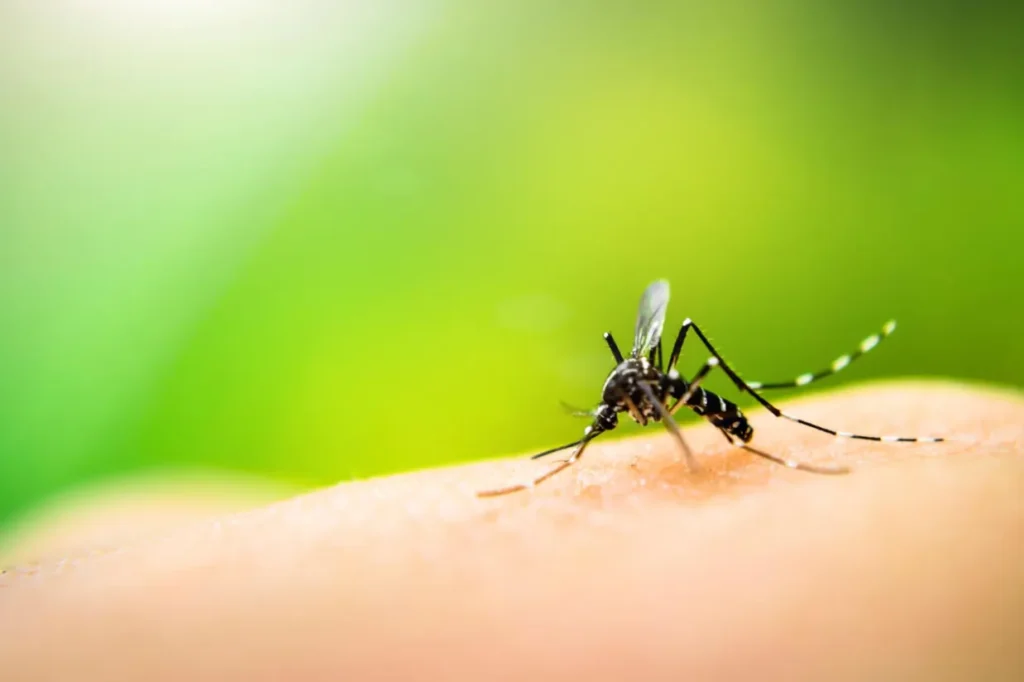
- Only female mosquitoes bite humans and animals; males do not bite.
- Male mosquitoes mainly feed on nectar and plant juices.
- Mosquito larvae are called wrigglers because of how they move in water.
- Mosquito pupae are called tumblers because they tumble when disturbed.
- Some mosquito eggs can survive dry conditions until water becomes available.
- Mosquitoes can detect carbon dioxide from human breath.
- Adult mosquitoes have six legs and two wings.
- There are thousands of mosquito species worldwide, but not all spread disease.
- Mosquitoes are food for many animals, including fish, birds, bats, frogs, spiders, and dragonflies.
- Some mosquito species can complete their life cycle very quickly in warm weather.
- Mosquito control is most effective when the egg, larva, and pupa stages are targeted before adults emerge.
Frequently Asked Questions (FAQs)
Q: What is the mosquito life cycle?
A: The mosquito life cycle is the process of mosquito development from egg to larva, then pupa, and finally adult mosquito.
Q: Where do mosquitoes lay eggs?
A: Mosquitoes lay eggs on water, near water, on damp soil, or on surfaces that may later flood. Different species prefer different breeding sites.
Q: How long does it take for mosquito eggs to become adults?
A: It often takes around one to two weeks, but it can be as short as a few days or as long as a month, depending on temperature, food, water, and species.
Q: Why do female mosquitoes bite?
A: Female mosquitoes bite because many species need blood protein to produce eggs. Male mosquitoes do not bite and usually feed on nectar.
Q: Are mosquitoes useful in nature?
A: Yes. Mosquitoes are food for many animals, and some also help with pollination. However, some species can spread diseases, so balanced control is important.
Conclusion
The mosquito life cycle is a fascinating natural process that includes four clear stages: egg, larva, pupa, and adult mosquito. Each stage plays an important role in mosquito growth, survival, and reproduction. Because the first three stages depend on water, even small amounts of standing water can support mosquito breeding.
Mosquitoes are often seen only as pests, but they also play an ecological role. They provide food for fish, birds, bats, frogs, spiders, and insects. Some mosquitoes also visit flowers and may support pollination. At the same time, female mosquitoes can spread diseases when they bite infected hosts and then bite others.
The best approach is smart and balanced mosquito management. Removing artificial standing water near homes, protecting natural predators, maintaining clean water systems, and avoiding unnecessary chemical use can reduce mosquito problems while protecting the ecosystem for the future.
Also Read: varied carpet beetle life cycle