
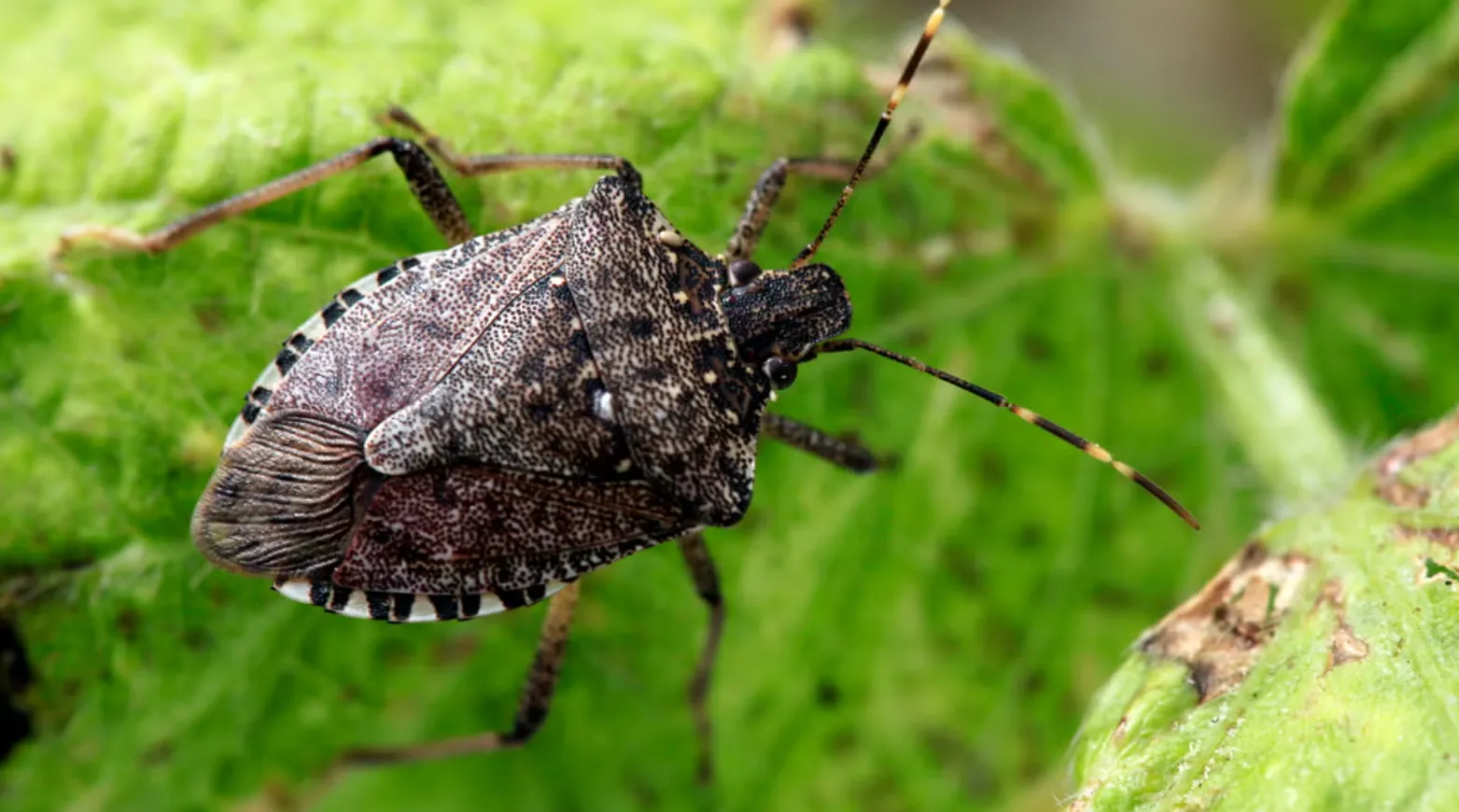
The stink bug life cycle is a fascinating biological process that reveals how these small yet resilient insects grow, reproduce, and survive in various environments. Stink bugs are commonly found in gardens, agricultural fields, and even homes, making them a frequent subject of curiosity for homeowners and farmers alike. Known for their distinctive odor when threatened, these insects play both beneficial and harmful roles in ecosystems.
Understanding the life cycle of stink bugs helps in identifying their stages and managing their population effectively. From tiny eggs to fully developed adults, stink bugs undergo a gradual transformation, known as incomplete metamorphosis. This process allows them to adapt quickly to changing environments and food availability.
Quick Answers (Most Common Questions)
1. How long is the stink bug’s life cycle?
The stink bug life cycle typically lasts between 30 and 60 days, depending on temperature and environmental conditions.
2. How many stages are in a stink bug’s life cycle?
There are three main stages: egg, nymph, and adult.
3. Where do stink bugs lay eggs?
Stink bugs usually lay eggs on the underside of leaves, protecting them from predators and harsh weather.
Quick Life Cycle Table
| Stage | Duration | Description |
| Egg | 4–7 days | Small, barrel-shaped eggs are laid in clusters |
| Nymph | 2–5 weeks | Immature bugs go through 5 instars (growth stages) |
| Adult | Several months | Fully developed, capable of reproduction |
The History Of Their Scientific Naming
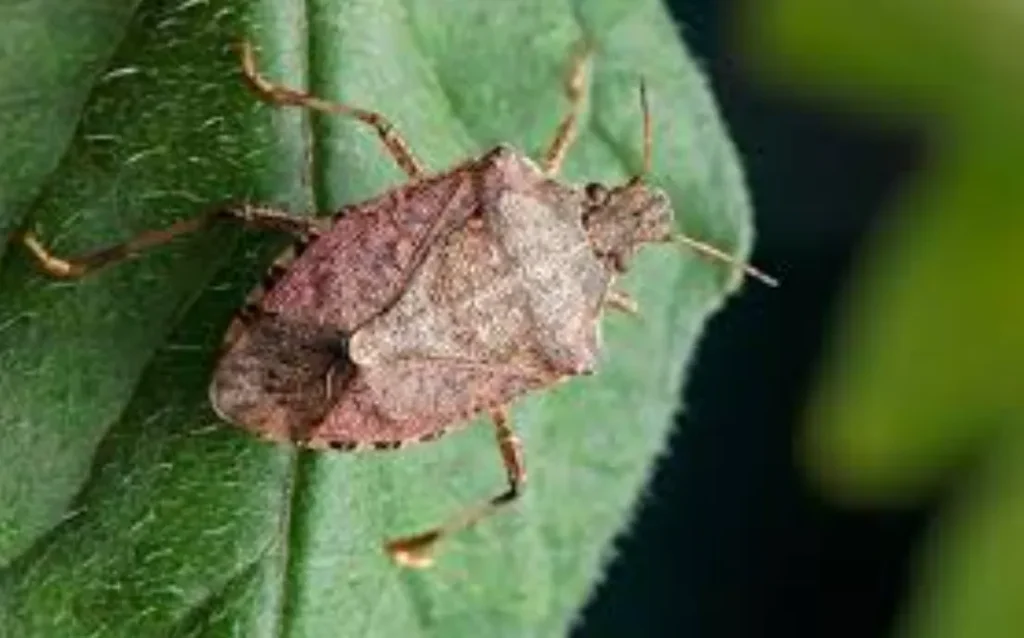
The stink bug belongs to the family Pentatomidae, a name derived from Greek words meaning “five sections,” referring to their five-segmented antennae. Their scientific classification has evolved as entomologists studied their morphology and behavior.
- The term Pentatomidae was first introduced in early entomological taxonomy.
- Scientists grouped stink bugs based on their shield-shaped bodies and piercing-sucking mouthparts.
- The most well-known species, Halyomorpha halys, is commonly called the brown marmorated stink bug.
- Over time, classification expanded to include green stink bugs and other variants.
- Advances in molecular biology have refined their classification, linking them closely with other Hemiptera insects.
This scientific naming system helps researchers understand their evolutionary relationships and ecological roles more clearly.
Their Evolution And Their Origin
Stink bugs have a long evolutionary history dating back millions of years. Fossil records suggest that early members of the Hemiptera order existed during the Mesozoic era, making stink bugs ancient survivors.
Initially, stink bugs evolved as plant feeders, developing specialized mouthparts that allowed them to pierce plant tissues and suck sap. This adaptation gave them a survival advantage in environments rich in vegetation. Over time, some species diversified into predators, feeding on other insects.
Their ability to produce a foul-smelling defensive chemical is a remarkable evolutionary trait. This odor deters predators such as birds and reptiles, increasing their chances of survival. The chemical secretion is stored in specialized glands and released when the insect feels threatened.
Geographically, stink bugs originated in various parts of the world, including Asia, Europe, and North America. The invasive brown marmorated stink bug, for example, spread rapidly across continents due to global trade and transportation.
Today, stink bugs are highly adaptable. They can survive in agricultural lands, forests, and urban areas. Their evolutionary success lies in their ability to reproduce quickly, adapt to new environments, and defend themselves effectively.
Their Main Food and Its Collection Process
Stink bugs are primarily herbivores, although some species are omnivorous. Their feeding habits play a significant role in agriculture.
Main Food Sources
- Plant sap from fruits and vegetables
- Leaves and stems of crops
- Seeds and grains
- Occasionally, small insects (in predatory species)
Food Collection Process
- They use piercing-sucking mouthparts to penetrate plant tissues.
- Digestive enzymes are injected into the plant.
- The liquefied nutrients are then sucked out.
- Feeding often leaves visible damage like spots or deformities.
Feeding Behavior
- Prefer warm climates and abundant vegetation
- Often target crops like tomatoes, soybeans, and apples
- Feed during both day and night
This feeding method makes them significant agricultural pests, but also important participants in natural food chains.
Important Things That You Need To Know
Understanding related LSI keywords helps deepen your knowledge about stink bugs and their behavior.
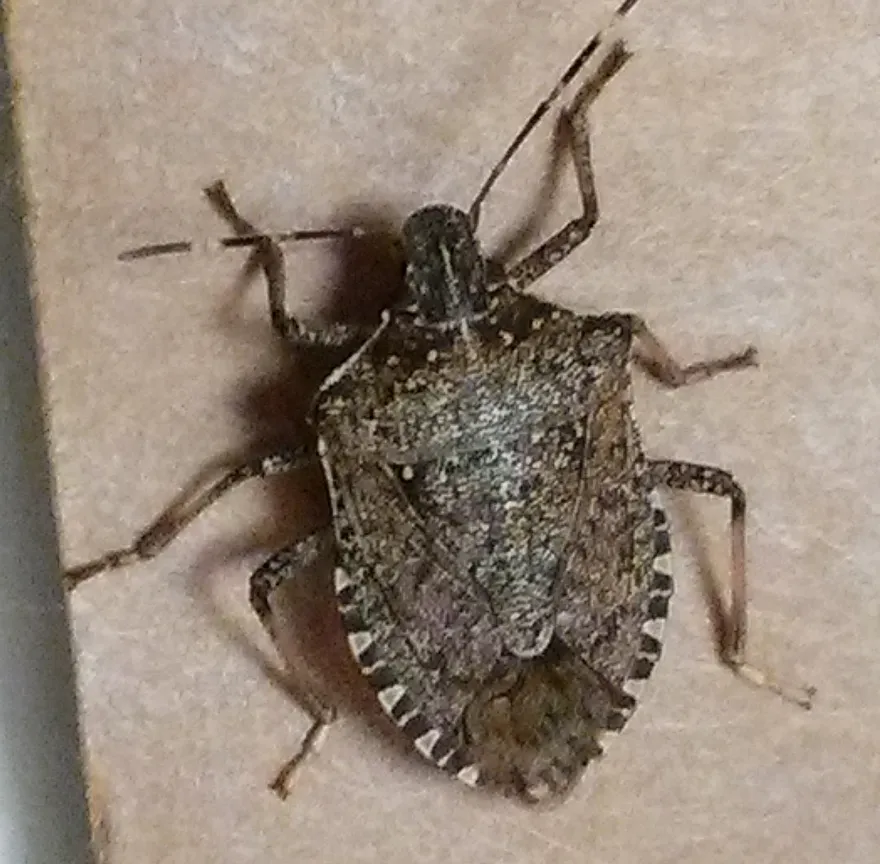
The stink bug is widely recognized for its shield-like shape and odor defense mechanism. One common species, the green stink bug, is often seen in gardens feeding on plants. These insects begin their life as stink bug eggs, which are laid in clusters and hatch quickly under favorable conditions.
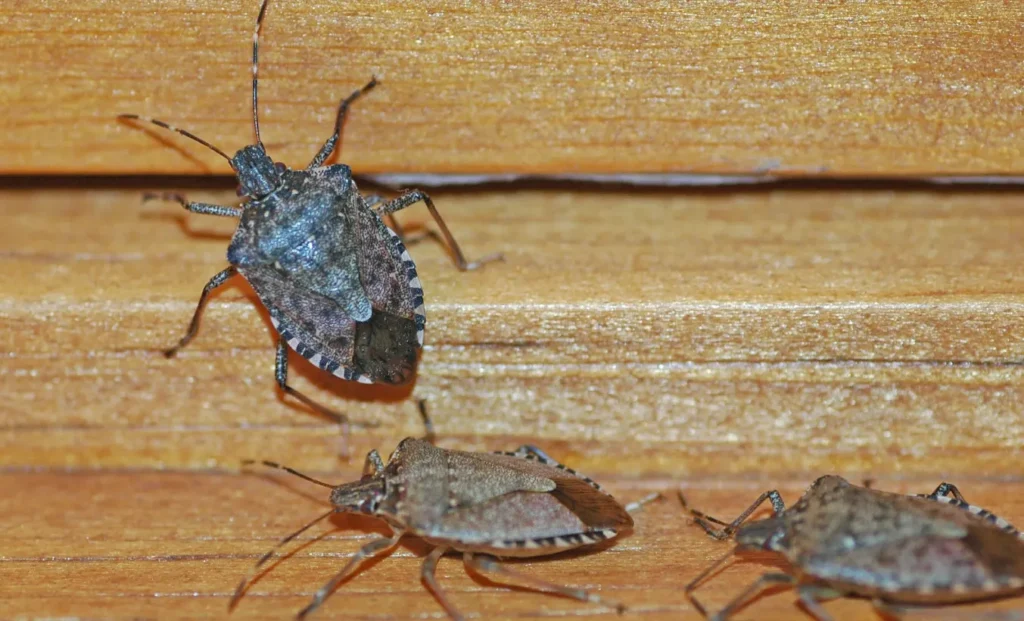
Homeowners frequently seek stink bug repellent solutions due to their tendency to invade homes during colder months. While they are generally harmless, many people worry about the possibility of a stink bug bite, although bites are rare and not dangerous.
Stink bugs become more noticeable during seasonal transitions, especially in autumn when they search for shelter. Their presence indoors can be annoying, but understanding their lifecycle and habits helps manage them effectively.
Their Life Cycle and Ability to Survive in Nature
Egg Stage
Stink bugs lay eggs in clusters, usually on the underside of leaves. These eggs are well-protected and hatch within a week.
Nymph Stage
After hatching, nymphs go through five instars, gradually increasing in size. They resemble adults but lack wings.
Adult Stage
Adults are fully developed and capable of reproduction. They can live for several months and survive harsh conditions.
Survival Strategies
- Camouflage with plant surroundings
- Chemical defense (odor release)
- Ability to enter dormancy in winter
These strategies make stink bugs highly resilient in nature.
Their Reproductive Process and Raising Their Children
Stink bugs reproduce efficiently, ensuring population growth.
Reproductive Process
- Mating occurs during warm seasons
- Females lay 20–30 eggs per cluster
- Multiple egg-laying cycles per season
Raising Their Young
- Eggs are placed strategically for protection
- No parental care after laying eggs
- Nymphs become independent immediately
Growth and Development
- Rapid development ensures survival
- Multiple generations per year in warm climates
This reproductive efficiency contributes to their widespread presence.
Importance of Them in this Ecosystem
Role in Food Chain
Stink bugs serve as food for birds, spiders, and other predators.
Plant Interaction
They help regulate plant populations but can also damage crops.
Ecological Balance
Some species act as natural pest controllers by feeding on harmful insects.
Indicator Species
Their presence can indicate environmental changes or agricultural conditions.
Despite their pest status, stink bugs contribute to maintaining ecological balance.
What to Do to Protect Them in Nature and Save the System for the Future
- Avoid excessive use of chemical pesticides
- Encourage natural predators like birds
- Maintain biodiversity in gardens
- Use eco-friendly pest control methods
- Preserve natural habitats
- Practice sustainable farming
- Educate communities about insect roles
- Support conservation efforts
Frequently Asked Questions (FAQs)
1. What is the stink bug life cycle?
It includes egg, nymph, and adult stages.
2. How long do stink bugs live?
They typically live for several months.
3. Are stink bugs harmful to humans?
No, they are mostly harmless.
4. Do stink bugs bite?
Bites are extremely rare and not dangerous.
5. What do stink bugs eat?
They feed mainly on plant sap and crops.
6. How do stink bugs reproduce?
Through mating and egg-laying on plant leaves.
7. Why do stink bugs smell?
They release a defensive chemical odor when threatened.
8. How can I control stink bugs naturally?
Use natural predators and eco-friendly repellents.
Conclusion
The stink bug life cycle is a remarkable example of adaptation and survival in the insect world. From their humble beginnings as eggs to their transformation into resilient adults, stink bugs demonstrate how nature equips organisms with the tools needed to thrive. Their incomplete metamorphosis allows them to grow steadily while maintaining their feeding habits, ensuring continuous interaction with their environment.
While often considered pests due to their impact on crops and tendency to invade homes, stink bugs also play important roles in ecosystems. They contribute to food chains, help regulate plant populations, and even act as indicators of environmental changes.
By understanding their lifecycle, behavior, and ecological importance, we can develop better strategies to manage their presence without harming the balance of nature. Sustainable practices and awareness are key to coexisting with these unique insects in a rapidly changing world.
Also Read: sea turtle life cycle