
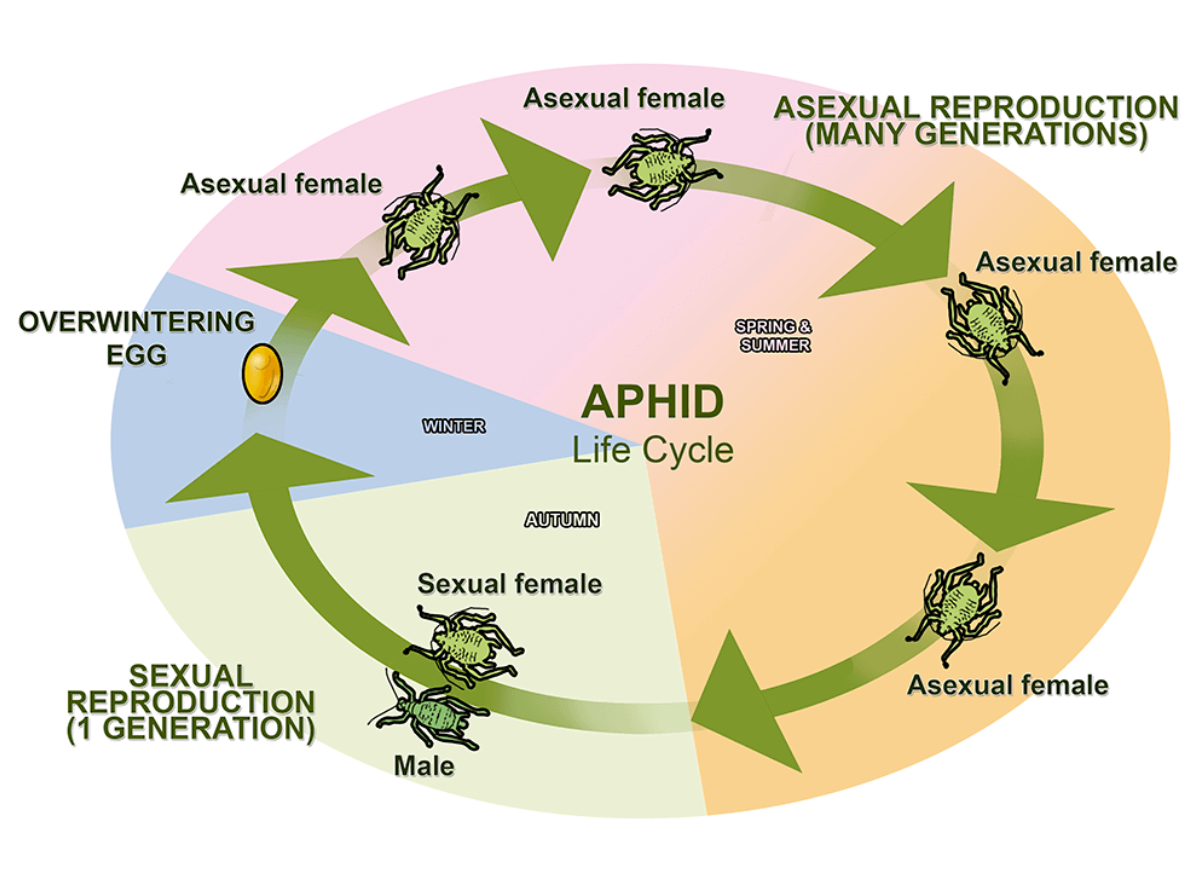
The aphid life cycle is among the fastest and most flexible in the insect world. Aphids are tiny, soft-bodied insects that feed on plant sap, yet their effect on gardens, farms, fruit trees, and wild plants can be much bigger than their size suggests. A single female aphid can start a large colony quickly because many aphids reproduce without mating during warm months.
Most people notice aphids when young leaves curl, flower buds look weak, or sticky honeydew appears on stems and leaves. Some aphids are green, black, yellow, brown, pink, or gray. Others, such as the woolly aphid, hide under a white, cotton-like wax that makes them look like tiny bits of fluff.
Understanding the aphid life cycle helps gardeners and farmers make better decisions. It also helps nature lovers see aphids as more than pests. They are food for lady beetles, lacewings, hoverfly larvae, birds, and parasitic wasps. Aphids can damage plants, but they also support many food chains in gardens and natural habitats.
Quick Answers: Most Common Questions
Q: What is the aphid life cycle?
A: The aphid life cycle usually includes egg, nymph, and adult stages. In warm seasons, many aphids skip eggs and give birth to live nymphs. These nymphs grow fast and become adults within days or weeks.
Q: Where do aphid eggs come from?
A: Aphid eggs are usually produced after sexual reproduction near the end of the growing season. They often overwinter on woody plants, bark, buds, or plant stems and hatch in spring.
Q: Why do aphids multiply so fast?
A: Aphids multiply quickly because many females reproduce without males through parthenogenesis. Some species also give birth to live young rather than lay eggs during warm months. This allows colonies to grow very fast.
Quick Life Cycle Table
| Stage | What Happens | Easy Meaning |
| Egg | Eggs survive cold weather on bark, stems, or near buds. | The resting stage |
| Nymph | Tiny aphids hatch or are born alive and start feeding right away. | The young stage |
| Molting | Nymphs shed their outer skin several times as they grow. | The growth stage |
| Adult | Adults feed, reproduce, and may form winged or wingless types. | The breeding stage |
| Winged Adult | Some adults grow wings and move to new plants. | The spreading stage |
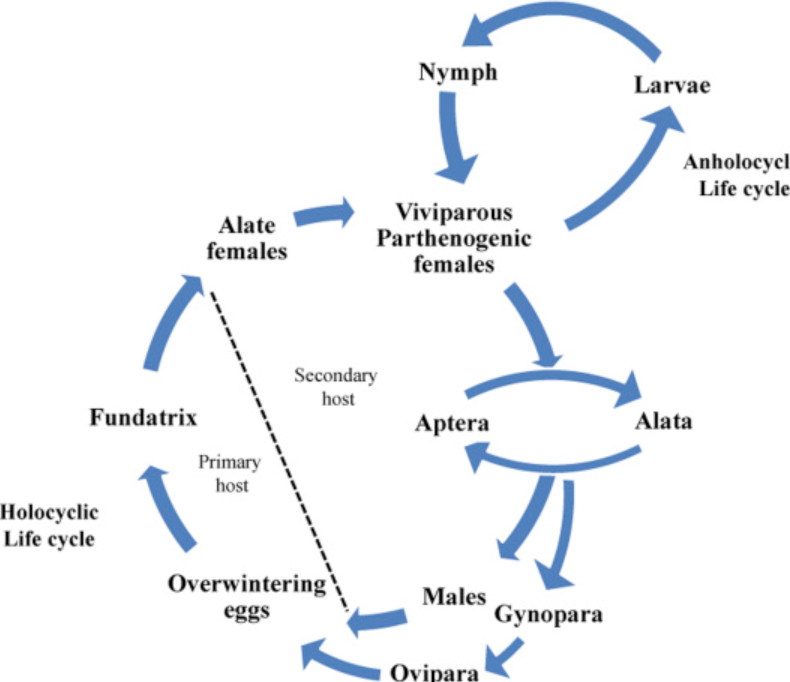
| Sexual Generation | Males and egg-laying females appear in many species before winter. | The survival stage |
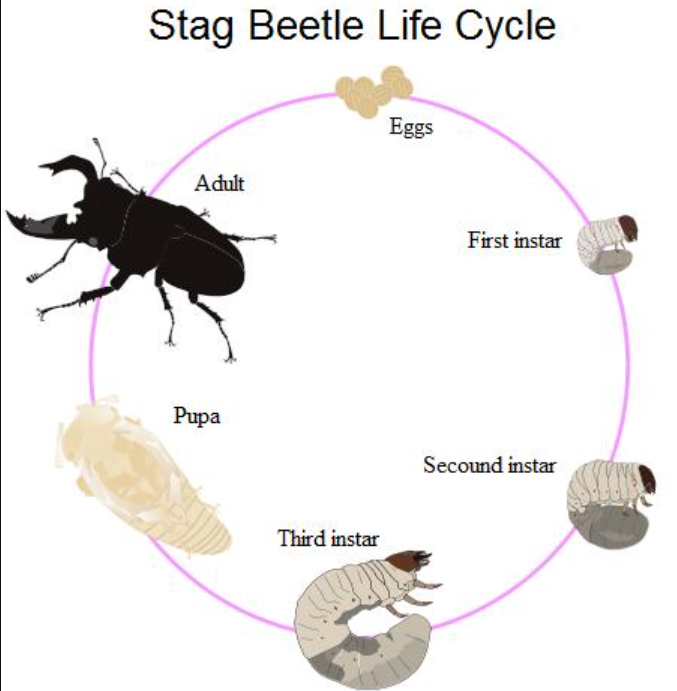
Aphids do not have a pupal stage like butterflies or beetles. Their development is called incomplete metamorphosis, meaning young aphids look like smaller versions of adults.
The History of Their Scientific Naming
The scientific naming of aphids has changed as scientists learned more about insect body structure, feeding style, and genetics. Aphids belong to the insect order Hemiptera, the group known for piercing and sucking mouthparts.
Important naming points:
- The word aphid comes from scientific naming for small plant-sucking insects in the family Aphididae.
- Aphids were once often placed under Homoptera, an older grouping for sap-sucking insects. Modern classification usually places them in Hemiptera, suborder Sternorrhyncha.
- The family name Aphididae is widely used for true aphids, including many common garden and crop species.
- Names like ‘woolly aphid‘ describe the insect’s appearance, especially the white, waxy coating that covers some species.
- Scientific names help separate similar-looking aphids because color alone is not enough. Green, black, and woolly aphids may belong to different species.
This naming system is useful for aphid control, farming, research, and plant health diagnosis.
Their Evolution And Their Origin
Aphids are ancient insects with a long evolutionary history. Their origin is closely tied to the rise of plants that transport nutrient-rich sap through their tissues. Aphids evolved piercing-sucking mouthparts that allow them to tap into plant phloem, the part of a plant that moves sugars and other nutrients.
Their body design is simple but highly successful. Aphids are soft, small, and often slow-moving. At first, that seems like a weakness. But their real strength lies in their ability to reproduce quickly and adapt to changing conditions. When food is plentiful, many aphids produce live young without mating. When the plant becomes crowded or stressed, some aphids produce winged adults that can fly to fresh host plants.
Aphids also developed close relationships with other organisms. Many species have helpful bacteria inside their bodies. These bacteria help aphids obtain nutrients missing from plant sap. This partnership is one reason aphids can survive on a food source that would be difficult for many other insects to obtain.
Over time, aphids spread into forests, grasslands, farms, gardens, orchards, and wild plant communities. Some became specialists, feeding on only one kind of plant. Others became more flexible and can feed on several plant species.
Their evolution also shaped the animals around them. Lady beetles, lacewings, hoverflies, parasitic wasps, and many birds rely on aphids as food. So while aphids may seem like simple plant pests, their origin and success are deeply connected to the balance of plant and insect life.
Important Things That You Need To Know
Before studying the aphid life cycle deeply, it helps to understand a few related terms. The aphid’s meaning is simple: aphids are small sap-sucking insects that feed from plants using needle-like mouthparts. They are often found on soft new growth, flower buds, tender stems, and the underside of leaves.
A common garden problem is the woolly aphid. This aphid looks different because it produces white, waxy threads that cover its body. Some people also spell it woolly aphid, but both usually refer to aphids with that cotton-like coating. These aphids may appear on apple trees, ornamental plants, roots, branches, or wounds in bark.
The term aphid eggs is also important. Not every aphid you see came from an egg during warm weather. Many aphids are born alive as nymphs. But eggs still matter because they help many species survive winter and restart colonies in spring.
Then there is aphid control. Good control does not always mean killing every aphid. In many gardens, a small aphid population feeds beneficial insects. Strong water sprays, pruning, natural predators, insecticidal soap, and horticultural oils are often better first steps than harsh broad-spectrum pesticides. UC IPM notes that established plants are often not seriously harmed by aphids, though aphids can curl leaves, produce honeydew, and attract ants or sooty mold.
Understanding these words makes the whole topic easier to understand. Aphids are pests in some cases, food in others, and a natural part of many ecosystems.
Their main food and its collection process
Aphids mainly feed on plant sap, especially phloem sap. This sap is rich in sugar but low in some nutrients. Aphids collect it by inserting their thin, needle-like mouthparts into plant tissue.
Their food and collection process works like this:
- Finding tender plant parts: Aphids often gather on young leaves, soft stems, flower buds, shoots, and new growth. These areas are easier to pierce and often have strong sap flow.
- Using piercing mouthparts: Aphids do not chew leaves. They use a fine feeding tube called a stylet to reach the plant’s sap-carrying tissue.
- Drinking phloem sap: Once the stylet reaches the phloem, the aphid draws in sap. In some cases, plant pressure helps push sap into the insect.
- Removing extra sugar: Plant sap contains more sugar than aphids need. Aphids excrete excess sugar as sticky honeydew.
- Attracting ants: Honeydew attracts ants. In return, ants may protect aphids from predators. This relationship can make aphid problems worse in gardens.
- Feeding in groups: Aphids often feed in colonies. This makes it easier to spot them, but it also means plant damage can build up quickly.
- Moving when needed: When a plant becomes crowded, weak, or poor in quality, some aphids develop wings and move to a better plant.
Aphid feeding can cause curled leaves, yellowing, weak growth, sticky leaves, and deformed buds. Some aphids also spread plant viruses while feeding.
Their life cycle and ability to survive in nature
Egg Stage
The aphid life cycle often begins with eggs, especially in regions with cold winters. These eggs are usually laid on woody plants, bark, stems, or near buds. Eggs are tough and help aphids survive low temperatures.
When spring arrives and plants produce fresh growth, the eggs hatch into young aphids called nymphs.
Nymph Stage
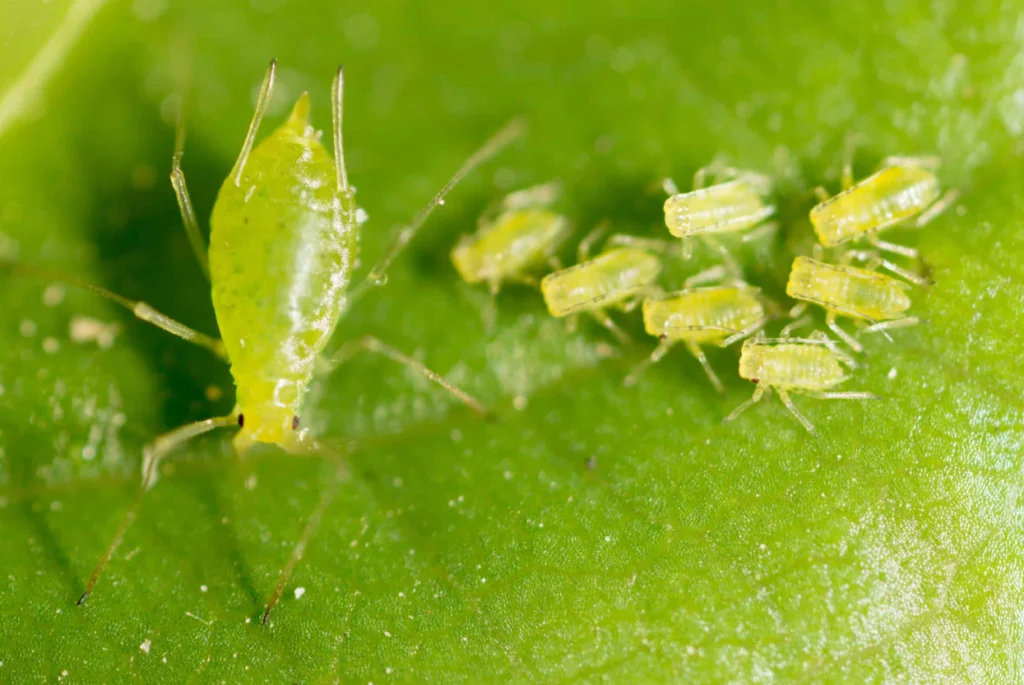
Aphid nymphs look like tiny adults. They begin feeding soon after hatching or being born. They molt several times, often 4 or more, before becoming adults.
In warm conditions, some aphids can mature very quickly. This fast growth is one reason aphid colonies can appear almost suddenly.
Adult Stage
Adult aphids may be wingless or winged. Wingless adults stay on the plant and reproduce. Winged adults spread to new host plants when food runs low, colonies become crowded, or the weather changes.
Survival Ability
Aphids survive in nature because they are flexible. They can reproduce without mating, produce live young, make winged forms, hide under leaves, and use ants for protection. Some species also produce waxy coverings, such as the woolly aphid, which help protect them from the weather and predators.
This mix of speed, flexibility, and survival tactics makes aphids among the most successful sap-feeding insects.
Their Reproductive Process and raising their children
Aphid reproduction is unusual and powerful. It is one of the main reasons aphids are so common in gardens, farms, orchards, and wild plants.
Key points about their reproductive process:
- Parthenogenesis: During warm months, many female aphids reproduce without males. This process is called parthenogenesis.
- Live birth: Many aphids give birth to live young instead of laying eggs during the growing season.
- Fast generations: A young aphid can mature quickly and begin producing more aphids. In warm weather, several generations may appear in a short time.
- Mostly females in summer: Many summer colonies are made mostly of females. This helps the population grow faster.
- Winged forms: When the colony becomes crowded or the plant quality drops, some aphids produce winged young. These adults fly to new plants and start new colonies.
- Sexual reproduction before winter: In many species, males and egg-laying females appear near the end of the season. After mating, females lay eggs that survive winter.
- No parental care: Aphids do not care for their young as birds or mammals do. The nymphs are born ready to feed and survive on their own.
- Protection by ants: In some cases, ants protect aphid colonies because they feed on honeydew. This is not true parenting, but it can help young aphids survive.
The most surprising part is that some aphids are already developing young inside their bodies before they are fully mature. This helps colonies increase at a remarkable speed.
The importance of them in this Ecosystem
Food for Beneficial Insects
Aphids are an important food source for many helpful insects. Lady beetles, lacewing larvae, hoverfly larvae, parasitic wasps, and predatory bugs feed on them.
Without aphids, many of these natural enemies would have less food, especially early in the growing season.
Support for Food Chains
Aphids sit near the bottom of many food chains. They turn plant sap into insect body mass, which then becomes food for larger animals.
Small birds, spiders, beetles, wasps, and flies can all benefit from aphid populations.
Honeydew and Other Organisms
Aphids produce honeydew, a sticky sugar-rich liquid. Honeydew can feed ants, flies, bees, wasps, and some microorganisms. Recent research also shows that aphid honeydew can affect the behavior of natural enemies and food-web relationships.
Natural Balance
Aphids help maintain balance in natural systems. When aphid numbers rise, predator numbers often rise too. This creates a natural push-and-pull between pests and beneficial insects.
Plant Health Indicator
Aphids can also act as a warning sign. Heavy aphid infestations may indicate that a plant is stressed, overfertilized, weak, crowded, or growing in poor conditions.
What to do to protect them in nature and save the system for the future
Aphids should not always be removed completely from nature. The goal is balance. In farms and gardens, we need to protect plants while still supporting beneficial insects and a healthy ecosystem.
- Avoid killing every aphid: A small aphid population can feed lady beetles, lacewings, hoverflies, and parasitic wasps.
- Grow mixed plants: Plant flowers, herbs, shrubs, and native plants together. More plant diversity supports more natural predators.
- Use water first: A strong spray of water can knock aphids off sturdy plants without poisoning the garden.
- Protect beneficial insects: Avoid broad-spectrum pesticides when lady beetles, lacewings, bees, or hoverflies are active.
- Control ants when needed: Ants may protect aphids from predators for honeydew. Reducing ant access can help predators reach aphid colonies.
- Use gentle aphid control: Insecticidal soap or horticultural oil can help when aphid numbers are high. These should be applied carefully and only when needed.
- Prune badly infested parts: Removing curled leaves or heavily infested shoots can reduce aphid pressure without harming the whole plant.
- Do not over-fertilize: Too much nitrogen creates soft, juicy plant growth that aphids love.
- Leave wild corners: Small wild areas provide shelter for predators and help the garden stay balanced.
- Observe before acting: Check if predators are already present. Sometimes nature is already solving the problem.
Saving the system for the future means using control methods that protect both plants and the insects that keep nature stable.
Frequently Asked Questions (FAQs)
Q1: What is the aphid life cycle in simple words?
A: The aphid life cycle includes egg, nymph, and adult stages. Many aphids hatch from overwintering eggs in spring. During warm months, females often give birth to live young without mating. These young aphids grow into adults and continue the cycle.
Q2: What is the aphid’s meaning?
A: Aphid, meaning refers to a small sap-sucking insect that feeds on plants. Aphids use needle-like mouthparts to drink plant sap from leaves, stems, buds, and shoots.
Q3: Where are aphid eggs found?
A: Aphid eggs are often found on bark, woody stems, plant buds, or hidden areas of host plants. They are more common in many aphid species before winter.
Q4: What is a woolly aphid?
A: A woolly aphid is an aphid covered with white, waxy material that looks like cotton or wool. Some people spell it woolly aphid. These aphids may attack trees, roots, branches, and tender plant areas.
Q5: Are aphids harmful to plants?
A: Aphids can be harmful when their numbers are high. They may cause curled leaves, weak shoots, sticky honeydew, sooty mold, and distorted flowers. Some aphids can also spread plant viruses.
Q6: How fast do aphids reproduce?
A: Aphids reproduce very quickly in warm weather. Many females can produce live young without mating, and young aphids can mature quickly. This is why a small colony can grow rapidly.
Q7: What is the best natural aphid control?
A: Good natural aphid control includes spraying plants with water, encouraging lady beetles and lacewings, pruning infested shoots, reducing ants, and using insecticidal soap or horticultural oil only when needed.
Q8: Should I remove all aphids from my garden?
A: Not always. A small number of aphids can support beneficial insects. Control is needed when aphids are damaging plants, spreading disease, or growing faster than natural predators can manage.
Conclusion
The aphid life cycle is short, flexible, and highly successful. Aphids can hatch from eggs, grow as nymphs, become adults, and reproduce quickly. During warm months, many aphids do not even need males to build large colonies. This is why gardeners often see aphids suddenly spread on soft new plant growth.
Still, aphids are not only pests. They are part of a living system. They feed predators, support food chains, produce honeydew, and show us when plants may be stressed. The best approach is balance. Strong plants, natural predators, mixed planting, careful watering, and gentle control methods can reduce serious aphid problems without damaging the wider Ecosystem.
By understanding aphid eggs, woolly aphid behavior, feeding habits, reproduction, and natural enemies, we can protect plants effectively and keep nature functioning more healthily.
Also Read: fishes life cycle