
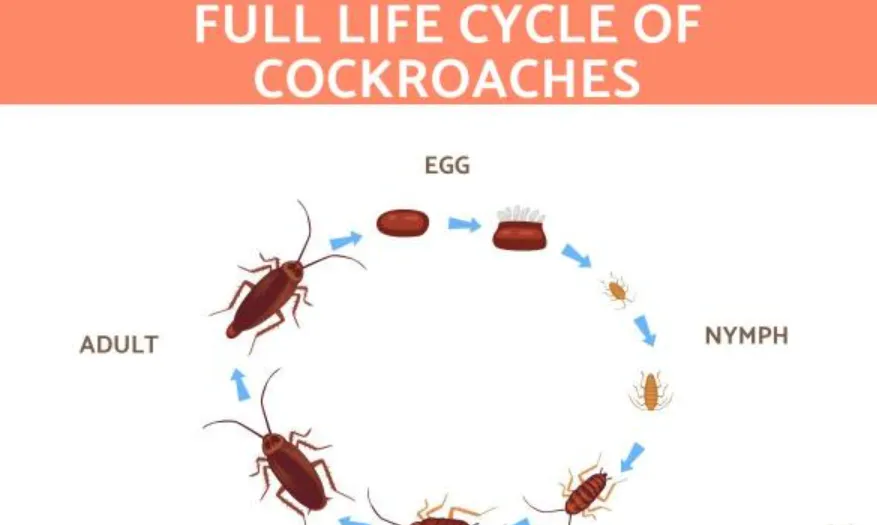
The cockroach life cycle is one of the most fascinating examples of survival and adaptation in the insect world. These resilient creatures have existed for over 300 million years, making them one of the oldest living species on Earth. Understanding their life cycle helps us not only control infestations but also appreciate their ecological importance.
Cockroaches undergo a simple yet effective growth process called incomplete metamorphosis. This includes three main stages: egg, nymph (baby cockroach), and adult. Each stage is uniquely designed to maximise survival, reproduction, and adaptability across diverse environments.
Despite their reputation as pests, cockroaches play a significant role in ecosystems by recycling organic matter. From the common oriental cockroach to other species, their life cycle is a key factor in their persistence across the globe.
Quick Answers (Most Common Questions)
- What is the life cycle of a cockroach?
- It consists of three stages: egg → nymph → adult.
- How long does a cockroach live?
- Depending on the species, it can live from 6 months to over 2 years.
- How fast do cockroaches reproduce?
- Very quickly, some species can produce hundreds of offspring in a year.
Quick Life Cycle Table
| Stage | Description | Duration (Approx.) |
| Egg (Ootheca) | Egg capsule containing multiple eggs | 1–2 months |
| Nymph | An immature baby cockroach resembles an adult | 2–6 months |
| Adult | Fully developed, reproductive stage | 6 months–2 years |
The History Of Their Scientific Naming
The scientific classification of cockroaches has evolved over centuries as scientists studied their anatomy and behaviour more deeply. Here are key points:
- Cockroaches belong to the order Blattodea, which also includes termites.
- The name “Blattodea” originates from the Greek word blatta, meaning “shunning the light.”
- Early 18th-century naturalists first categorised cockroaches based on wing structure and body shape.
- Carl Linnaeus, the father of taxonomy, contributed to early classification systems of insects, including cockroaches.
- Over time, genetic research revealed that termites evolved from cockroach ancestors, changing classification perspectives.
- Today, cockroaches are divided into thousands of species, including the well-known oriental cockroach (Blatta orientalis).
This scientific journey highlights how cockroaches have remained a key subject in evolutionary and biological research.
Their Evolution And Their Origin
Cockroaches are among the oldest insects on Earth, with fossils dating back over 300 million years to the Carboniferous period. These ancient ancestors were already highly adaptable, which explains their continued survival today.
Initially, cockroach-like insects thrived in warm, humid forests. Their flat bodies allowed them to hide under bark and debris, a trait still seen in modern species. Over millions of years, they evolved to survive extreme conditions, including drought, food scarcity, and even radiation exposure.
One significant evolutionary milestone was their relationship with termites. Scientists discovered that termites evolved from wood-feeding cockroach ancestors. This connection highlights cockroaches’ adaptability and their ability to diversify into different ecological roles.
Their origin also explains their widespread distribution. Today, cockroaches can be found on every continent except Antarctica. Their ability to adapt to urban environments has made them one of the most successful insect species.
From ancient forests to modern cities, cockroaches have proven to be true survivors, evolving continuously while maintaining their core biological traits.
Their Main Food and Its Collection Process
Cockroaches are omnivorous scavengers, meaning they eat almost anything organic. Their diet plays a crucial role in their survival and reproduction.
Main Food Sources
- Decaying organic matter
- Food scraps and leftovers
- Paper, glue, and fabrics
- Dead insects and animal waste
- Plant materials
Food Collection Process
- Cockroaches are primarily nocturnal, feeding at night.
- They use their sensitive antennae to detect food sources from a distance.
- Their strong mouthparts allow them to chew tough materials.
- They store energy efficiently, enabling them to survive weeks without food.
- In urban settings, they often rely on human waste and leftovers.
Their ability to consume almost anything is a key factor in their survival. This adaptability also makes cockroach control challenging, as they can thrive in diverse environments.
Their Life Cycle and Ability to Survive in Nature
Egg Stage
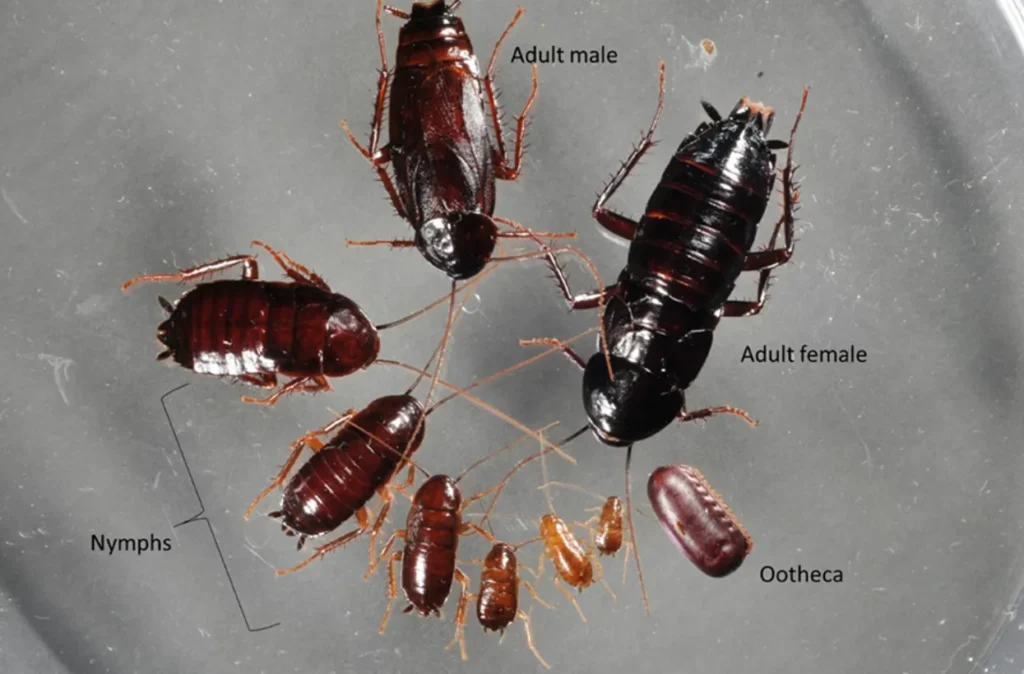
Female cockroaches produce egg cases called oothecae. Each case contains multiple eggs, sometimes up to 40.
Nymph Stage (Baby Cockroach)
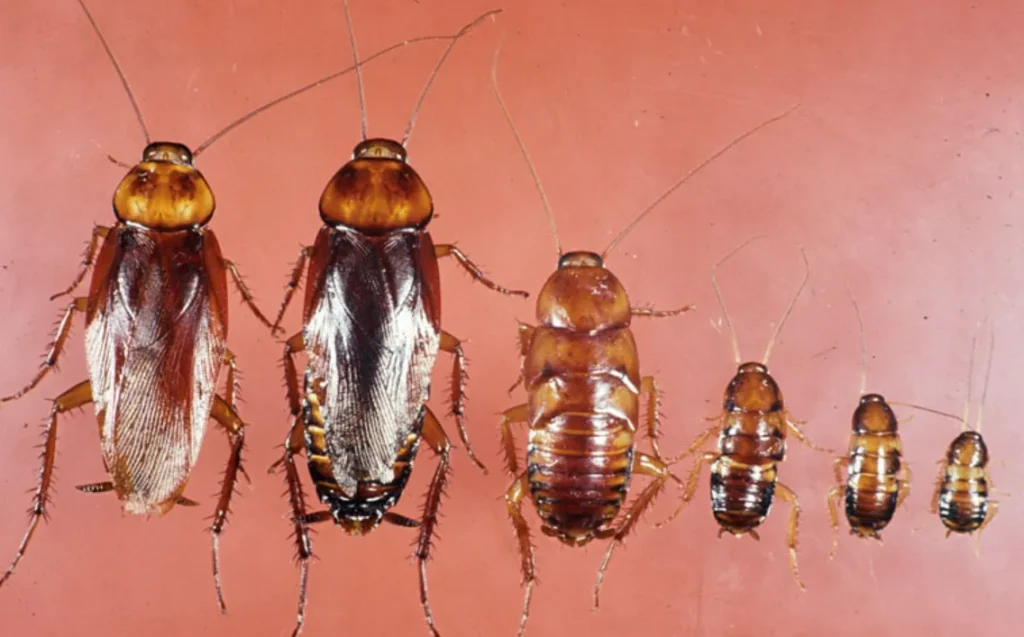
Once hatched, the baby cockroach (nymph) looks like a smaller version of the adult but without wings. Nymphs moult several times as they grow.
Adult Stage
Adult cockroaches develop wings and reproductive organs. They are fully capable of reproduction and survival.
Survival Abilities
- Can live without food for weeks
- Survive without water for days
- Adapt to extreme environments
- Resist many pesticides
Their life cycle ensures rapid population growth, making them highly resilient.
Important Things That You Need To Know
Cockroaches are often misunderstood creatures. While many people focus on their negative aspects, there are important details worth knowing about them.
The presence of cockroach poop is often a sign of infestation. It appears as small black droppings and can contaminate food and surfaces. This is one reason why proper hygiene is essential in preventing infestations.
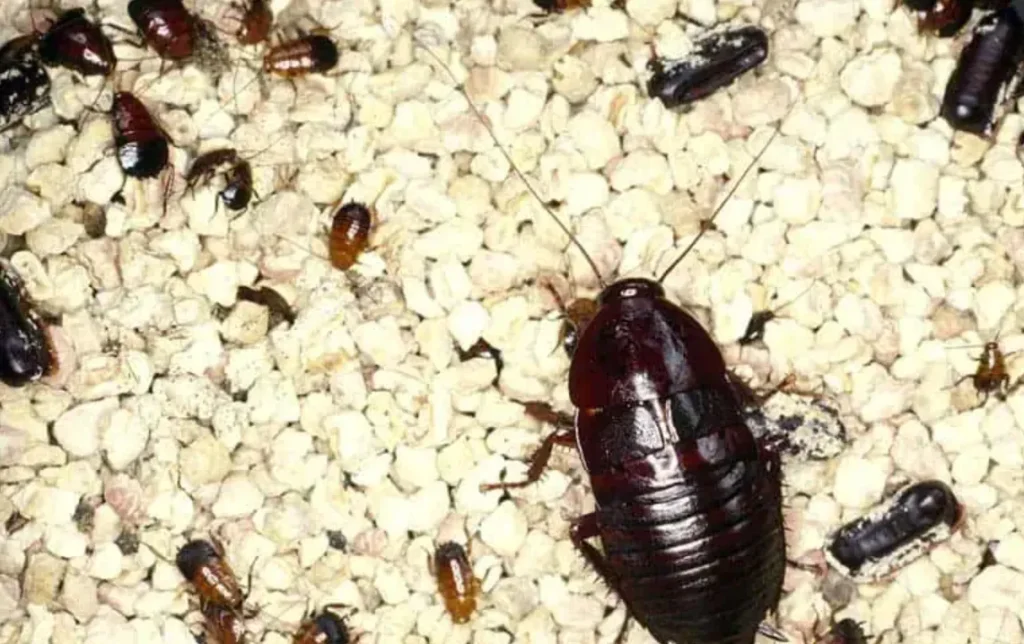
Different species, such as the oriental cockroach, prefer damp and dark environments. They are commonly found in basements, drains, and sewers.
To manage infestations effectively, products like Advion cockroach gel bait are widely used. These baits attract cockroaches and eliminate them at the source.
Cockroach reproduction involves egg cases, or oothecae, that can contain dozens of embryos. This can lead to rapid infestation growth if not controlled.
Understanding these aspects helps both manage cockroach populations and recognise their ecological role.
Their Reproductive Process and Raising Their Children
Cockroaches reproduce quickly, ensuring their survival across generations.
Reproductive Process
- Mating occurs through pheromone attraction
- Females produce ootheca (egg cases)
- Each ootheca contains multiple eggs
- Some species carry eggs until they hatch
Raising Their Young
- Nymphs are independent immediately after hatching
- No parental care is provided
- Nymphs undergo multiple moults
- Growth depends on food and environmental conditions
This efficient reproductive strategy allows cockroach populations to grow rapidly.
Importance of Them in This Ecosystem
Decomposition Role
Cockroaches break down organic matter, recycling nutrients into the soil.
Food Source
They serve as food for birds, reptiles, and small mammals.
Soil Enrichment
Their waste contributes to soil fertility.
Biodiversity Support
They help maintain ecological balance by participating in food chains.
Although cockroaches are pests in homes, they are essential in natural ecosystems.
What to Do to Protect Them in Nature and Save the System for the Future
- Avoid excessive use of harmful pesticides
- Maintain ecological balance in natural habitats
- Support biodiversity conservation efforts
- Reduce pollution that affects insect populations
- Educate others about their ecological importance
- Preserve forests and natural environments
- Encourage sustainable waste management
- Promote research on insect ecosystems
Protecting cockroaches in nature helps maintain ecosystem stability.
Frequently Asked Questions (FAQs)
- What are cockroach eggs called?
- They are called ootheca.
- How many eggs does a cockroach lay?
- Up to 40 per egg case.
- What is a baby cockroach called?
- It is called a nymph.
- How long does the cockroach’s life cycle take?
- Around 6 months to 2 years.
- What do cockroaches eat?
- Almost anything organic.
- Where do cockroaches live?
- Warm, dark, and moist environments.
- How to control cockroaches effectively?
- Cleanliness and bait products help.
- Are cockroaches harmful?
- They can spread bacteria, but are also ecologically important.
Conclusion
The cockroach life cycle is a remarkable example of survival and adaptability. From egg to adult, each stage is designed to ensure maximum resilience in changing environments. Their ability to reproduce quickly and survive harsh conditions has made them one of the most successful insect species on Earth.
While they are often considered pests, cockroaches play a vital role in ecosystems by breaking down organic matter and supporting food chains. Understanding their life cycle not only helps in controlling infestations but also highlights their importance in nature.
By balancing pest control with ecological awareness, we can manage cockroach populations responsibly while preserving their role in the environment.
Also Read: a grasshopper life cycle