
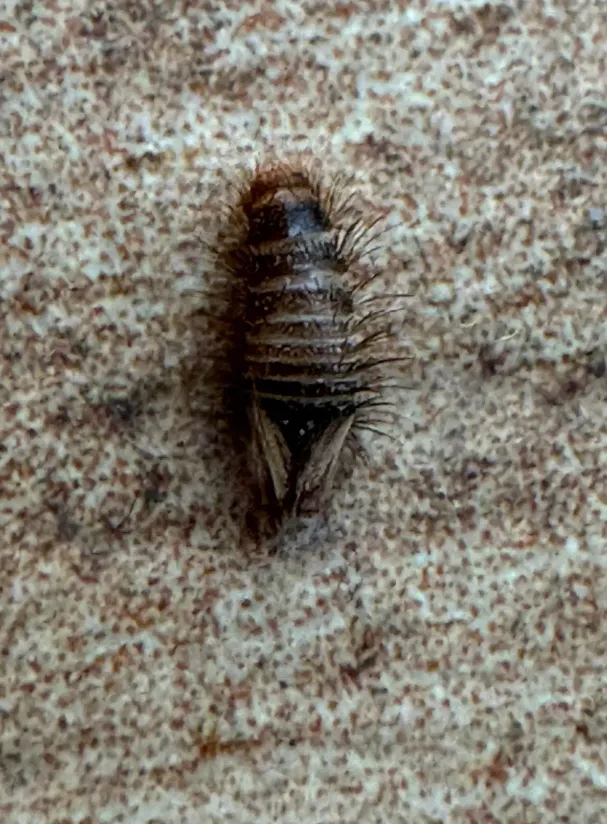
The carpet beetle life cycle is a fascinating yet often misunderstood process that directly impacts homes, fabrics, and natural ecosystems. These tiny insects, belonging to the Dermestidae family, undergo complete metamorphosis, allowing them to survive in diverse environments—from forests to your living room carpet.
Understanding their life cycle is essential for both prevention and ecological awareness. Carpet beetles are not just pests; they also play a role in breaking down organic materials in nature. However, when they invade homes, they can damage clothing, upholstery, and stored items.
Quick Answers (Most Common Questions)
1. How long is the carpet beetle life cycle?
The full life cycle typically ranges from 2 months to over a year, depending on environmental conditions like temperature and food availability.
2. Do carpet beetles bite humans?
No, carpet beetles do not bite, but their larvae can cause skin irritation known as a carpet beetle rash.
3. What stage causes the most damage?
The carpet beetle larval stage is the most destructive, as larvae feed on natural fibres such as wool, silk, and fur.
Quick Life Cycle Table
| Stage | Duration | Key Characteristics | Impact |
| Egg | 1–2 weeks | Tiny, white, lay in hidden areas | Minimal |
| Larva | 2–6 months (or longer) | Hairy, worm-like, active feeders | High damage |
| Pupa | 1–3 weeks | Resting stage, transformation occurs | None |
| Adult | 2–6 weeks | Small beetles often fly indoors | Reproduction only |
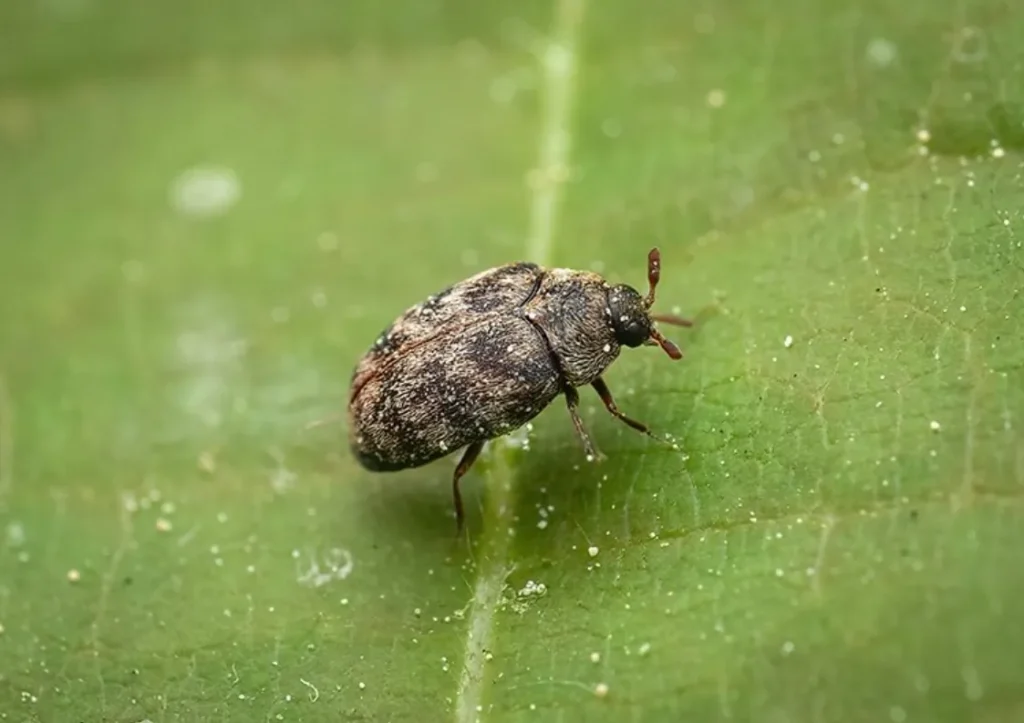
The History Of Their Scientific Naming
- Carpet beetles belong to the family Dermestidae, derived from the Greek word derma, meaning “skin,” reflecting their feeding habits.
- The most common species include:
- Anthrenus verbasci (varied carpet beetle)
- Attagenus unicolour (black carpet beetle)
- Early classification dates back to the 18th century, when scientists began categorising insects based on morphology.
- Swedish naturalist Carl Linnaeus contributed significantly to their naming system.
- The term “carpet beetle” emerged due to their tendency to infest household textiles.
- Scientific naming evolved as researchers identified differences in patterns, size, and feeding behaviour among species.
- Today, over 500 species of dermestid beetles are known worldwide.
Their Evolution And Their Origin
Carpet beetles, members of the Dermestidae family, have evolved over millions of years, adapting to environments rich in organic material. Their origin traces back to ancient ecosystems where decomposing animal matter and plant fibres were abundant.
Initially, these beetles thrived in natural habitats such as forests, bird nests, and animal dens. Their ability to digest keratin—a protein found in hair, feathers, and wool—gave them a unique evolutionary advantage. This adaptation allowed them to occupy ecological niches that few other insects could.
As human civilisation developed, carpet beetles gradually transitioned into indoor environments. Homes provided an ideal habitat: warmth, shelter, and abundant food sources like carpets, clothing, and upholstery. Over time, species such as the varied carpet beetle and the black carpet beetle became closely associated with human dwellings.
Their evolution also includes remarkable survival traits:
- Resistance to starvation for extended periods
- Ability to remain dormant during unfavourable conditions
- Rapid reproduction under optimal environments
Today, carpet beetles are found globally, demonstrating their adaptability. Their evolutionary journey highlights how insects can shift from natural decomposers to household pests.
Their Main Food and Its Collection Process
Carpet beetles are primarily scavengers, feeding on organic materials rich in protein.
Main Food Sources
- Natural fibres: wool, silk, cotton
- Animal-based materials: fur, feathers, leather
- Dead insects and organic debris
- Stored food products like grains and cereals
Collection Process
- Larvae actively crawl in search of food sources, often hiding in dark corners.
- They prefer undisturbed areas such as closets, carpets, and storage boxes.
- Adults feed on pollen and nectar outdoors but lay eggs near indoor food sources.
- Larvae use strong mandibles to break down fibres and organic matter.
- They can survive long periods without food by slowing their metabolism.
This feeding behaviour makes the carpet beetle larva stage particularly destructive in households.
Important Things That You Need To Know
Understanding related terms helps you identify and manage infestations effectively.
The term carpet beetle refers to several species that invade homes and damage fabrics. Among them, the black carpet beetle is one of the most destructive due to its longer larval stage and higher feeding capacity.
Many people confuse carpet beetles with bed bugs. However, the differences between carpet beetles and bed bugs are significant. Bed bugs feed on blood, while carpet beetles feed on fibres and organic materials. This distinction is crucial for proper treatment.
Another common concern is skin irritation. While carpet beetles do not bite, their larvae’s hairs can cause allergic reactions known as carpet beetle rash. This often appears as red, itchy bumps and is mistaken for bites.
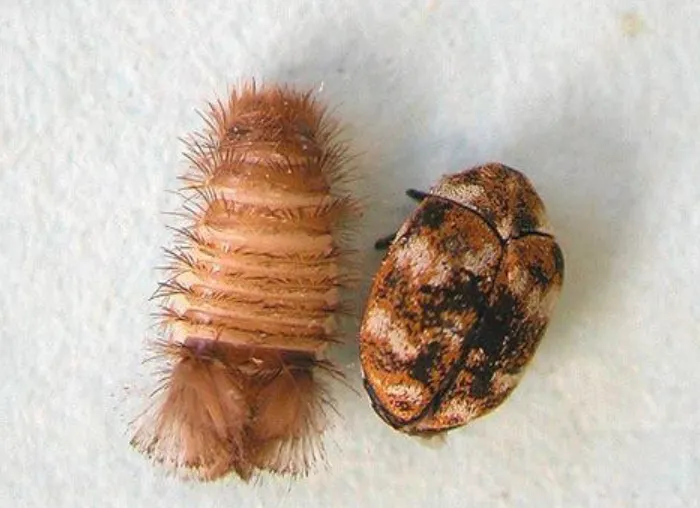
Their Life Cycle and Ability to Survive in Nature
Egg Stage
Female beetles lay 30–100 eggs in hidden areas.
These eggs hatch within 1–2 weeks under favourable conditions.
Larval Stage
This is the longest and most damaging stage.
Larvae feed continuously on organic materials and can moult several times.
Pupal Stage
Larvae transform into pupae in protected spaces.
This stage lasts a few weeks and involves no feeding.
Adult Stage
Adults emerge ready to reproduce.
They are attracted to light and often found near windows.
Survival Ability
- Can survive in extreme conditions
- Thrive in both natural and indoor environments
- Adapt to a limited food supply
- Reproduce quickly in warm climates
Their resilience makes them difficult to eliminate once established.
Their Reproductive Process and Raising Their Children
- Female carpet beetles lay eggs near food sources to ensure larval survival.
- Each female can lay up to 100 eggs in her lifetime.
- Eggs are deposited in cracks, carpets, and hidden spaces.
- Larvae hatch and begin feeding immediately without parental care.
- There is no nurturing behaviour; survival depends on the environment.
- Rapid reproduction occurs in warm, undisturbed areas.
- Multiple generations can occur annually in ideal conditions.
- Larvae grow through moulting, increasing in size before pupation.
This efficient reproductive strategy contributes to their persistence as pests.
Importance of Them in this Ecosystem
Natural Decomposers
Carpet beetles help break down organic materials, such as dead insects and animal remains.
Nutrient Recycling
They contribute to nutrient cycling by converting waste into forms usable by the ecosystem.
Food Chain Role
They serve as food for predators such as birds and other insects.
Biodiversity Support
Their presence supports ecological balance in natural habitats.
Although they are pests indoors, they play a vital role in maintaining environmental health.
What to do to Protect Them in Nature and Save the System for the Future
- Preserve natural habitats where carpet beetles contribute to decomposition
- Avoid excessive pesticide use in outdoor environments
- Promote biodiversity to maintain ecological balance
- Educate people about their ecological role
- Use eco-friendly pest control methods indoors
- Maintain cleanliness to prevent infestations without harming nature
- Support research on sustainable pest management
- Encourage natural predators in ecosystems
Frequently Asked Questions (FAQs)
1. What attracts carpet beetles into homes?
They are attracted to natural fibres, food crumbs, and light sources.
2. Are carpet beetles dangerous?
They are not dangerous but can damage fabrics and cause skin irritation.
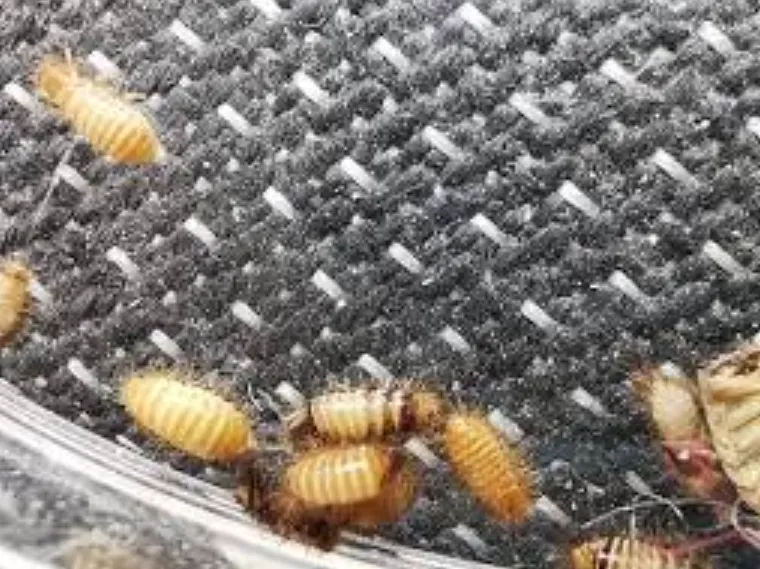
3. How do I identify carpet beetle larvae?
They are small, hairy, and worm-like with brownish colouration.
4. Can carpet beetles fly?
Yes, adult carpet beetles can fly and often enter through windows.
5. How do I get rid of carpet beetles?
Regular cleaning, vacuuming, and sealing cracks are effective methods.
6. Do carpet beetles live in beds?
They can be found near beds, but do not live like bed bugs.
7. Why do I have a rash from carpet beetles?
Allergic reactions to larval hairs cause the rash.
8. How long can carpet beetles live without food?
Larvae can survive several weeks to months without feeding.
Conclusion
The carpet beetle life cycle reveals a complex process that combines resilience, adaptability, and ecological importance. From eggs to larvae, pupae, and adults, each stage plays a crucial role in their survival and impact on both natural ecosystems and human environments.
While they are beneficial decomposers in nature, their presence indoors can lead to significant damage and discomfort. Understanding their behaviour, feeding habits, and reproduction helps in effective prevention and control.
By maintaining cleanliness, identifying infestations early, and using eco-friendly solutions, you can protect your home without disrupting the ecological balance. Ultimately, knowledge is the most powerful tool in managing carpet beetles while respecting their role in the environment.
Also Read About: a life cycle of a fly