
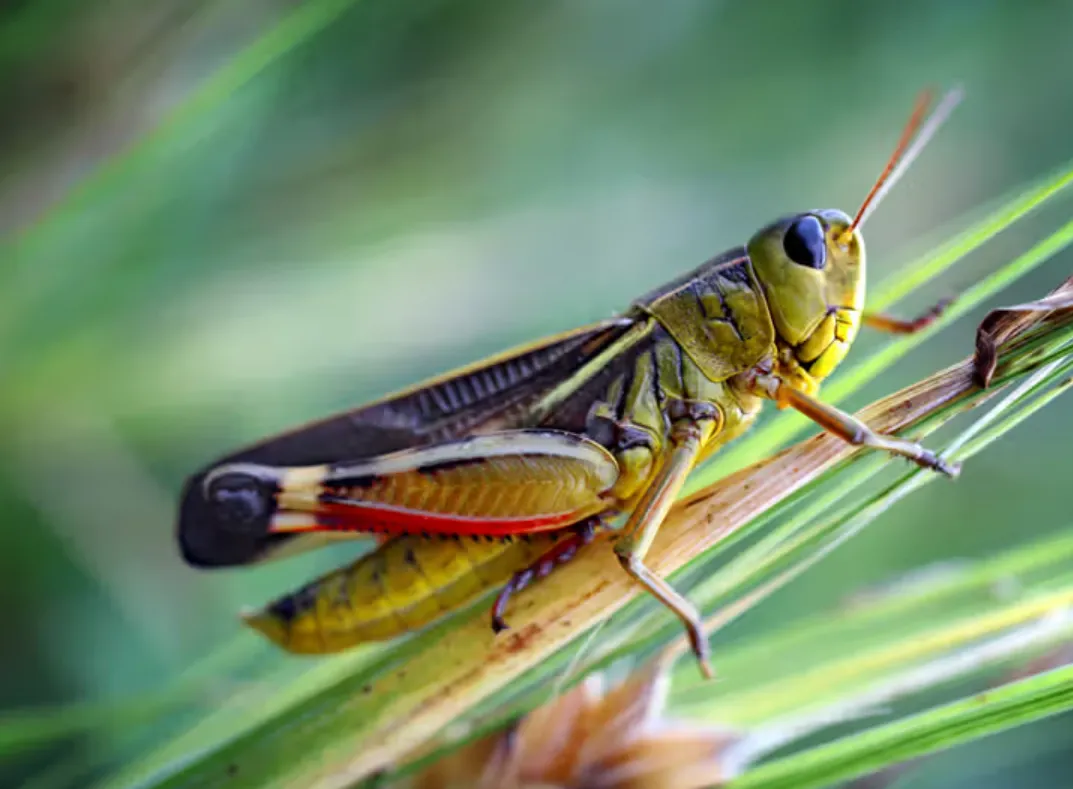
The grasshopper life cycle is a fascinating natural process that shows how these jumping insects grow, adapt, and survive in different environments. Found in grasslands, forests, and agricultural fields, grasshoppers play an essential role in ecosystems. Their life cycle is simple yet effective, consisting of three main stages: egg, nymph, and adult. Unlike butterflies, they undergo incomplete metamorphosis, meaning they gradually transform rather than going through a pupal stage.
Understanding the life cycle of a Grasshopper helps farmers, students, and nature lovers appreciate their ecological importance and manage their population effectively. From tiny eggs buried in soil to fully grown adults capable of flying and reproducing, every stage has unique characteristics.
🔍 Quick Answers (Most Common Questions)
1. How long is the grasshopper’s life cycle?
The grasshopper life cycle usually takes about 2 to 12 months, depending on climate and species.
2. What are the stages of a grasshopper?
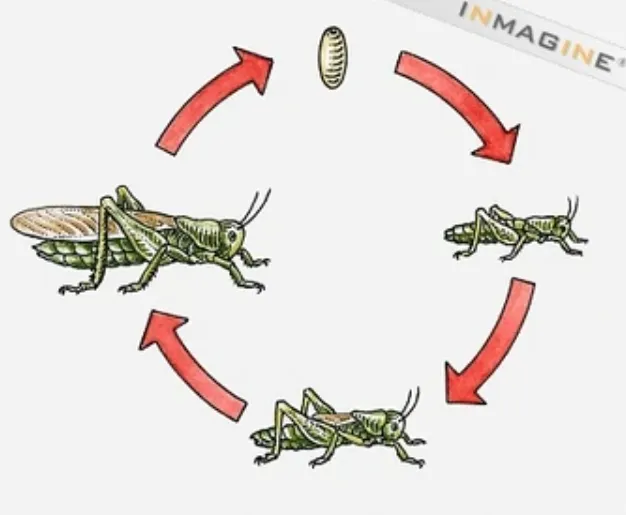
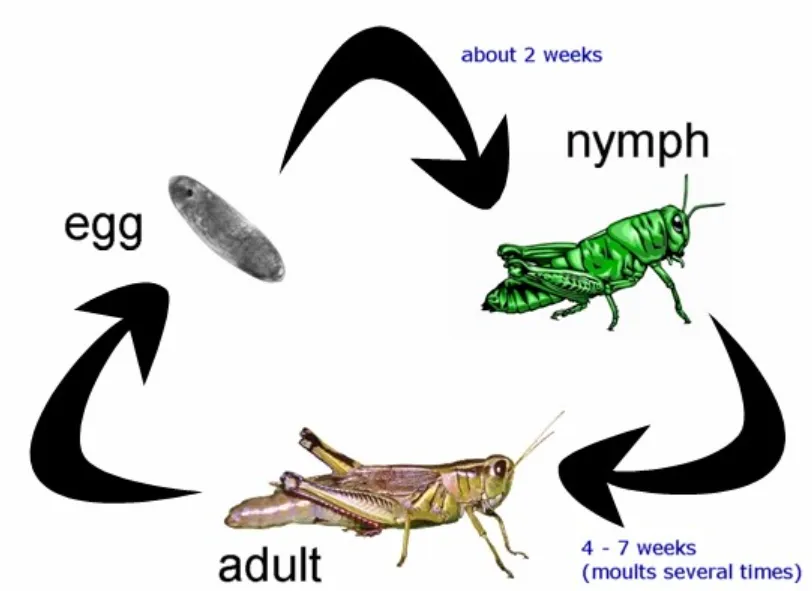
There are three stages: egg → nymph → adult.
3. Do grasshoppers go through complete metamorphosis?
No, they undergo incomplete metamorphosis, meaning they lack a pupal stage.
Quick Life Cycle Table
| Stage | Duration | Key Features |
| Egg | 2–9 months | Laid in soil, protected in pods |
| Nymph | 4–8 weeks | Looks like a small adult, no wings |
| Adult | 1–3 months | Fully developed wings, reproduction stage |
The History Of Their Scientific Naming
The scientific naming of grasshoppers has evolved through centuries of biological research and classification. Here are some key points:
- Grasshoppers belong to the order Orthoptera, derived from Greek words meaning “straight wings.”
- Early classification was done by Carl Linnaeus, the father of modern taxonomy, in the 18th century.
- The term “grasshopper” is commonly used for species within the suborder Caelifera.
- Scientists distinguish between short-horned grasshoppers and other Orthoptera, such as crickets.
- Some species, such as locusts, are classified as grasshoppers but behave differently in swarms.
- Scientific naming helps researchers identify species, track behavior, and study ecological impact.
- Over time, genetic studies have refined classification, making it more accurate.
This naming system ensures global consistency, allowing scientists worldwide to communicate clearly about different species of grasshoppers.
Their Evolution And Their Origin
Grasshoppers have a long evolutionary history dating back over 250 million years, making them among the oldest groups of insects on Earth. Fossil evidence suggests that early grasshopper-like insects existed during the Permian period, long before dinosaurs appeared.
Over time, grasshoppers evolved to adapt to various environments, especially grasslands. Their strong hind legs, which allow them to jump great distances, developed as a survival mechanism to escape predators. Additionally, their chewing mouthparts evolved to consume plant material efficiently.
One of the most significant evolutionary adaptations is their ability to undergo incomplete metamorphosis. This allows young grasshoppers (nymphs) to start feeding immediately after hatching, increasing their chances of survival.
Environmental changes, such as climate shifts and the spread of grasses, played a crucial role in their evolution. As grasslands expanded, grasshoppers diversified into thousands of species.
Today, grasshoppers are found on every continent except Antarctica. Their evolutionary success lies in their adaptability, simple life cycle, and efficient reproduction across different habitats.
Their Main Food and Its Collection Process
Grasshoppers are primarily herbivores, feeding on a wide variety of plants. Their feeding habits are crucial to both their survival and the balance of the ecosystem.
🌱 Main Food Sources:
- Grasses (primary food source)
- Leaves of crops like wheat, corn, and rice
- Shrubs and small plants
- Occasionally, decaying plant matter
🦗 Food Collection Process:
- Grasshoppers use strong mandibles (jaws) to chew plant material.
- They rely on their sense of smell and sight to locate food.
- Nymphs and adults feed similarly, unlike insects with complete metamorphosis.
- They feed during the day when temperatures are warm.
- Some species migrate to find better food sources.
🌾 Feeding Behavior:
- Grasshoppers can consume large amounts of vegetation daily.
- Their feeding can sometimes damage crops, making them agricultural pests.
- However, they also help recycle nutrients by breaking down plant material.
Their efficient feeding system allows them to grow quickly and survive in diverse environments.
Their Life Cycle and Ability to Survive in Nature
🥚 Egg Stage
Female grasshoppers lay eggs in soil during late summer or fall.
These eggs are protected in pods and remain dormant during winter.
🐛 Nymph Stage
Nymphs hatch in spring and resemble miniature adults.
They molt several times as they gradually develop wings.
🦗 Adult Stage
Adults are fully developed with wings and reproductive organs.
They can fly, mate, and continue the cycle.
🌍 Survival Abilities:
- Camouflage helps them blend into their surroundings.
- Strong legs allow quick escape from predators.
- Ability to adapt to different climates.
- Rapid reproduction ensures species survival.
Their life cycle is designed for efficiency, ensuring they thrive even in challenging environments.
Their Reproductive Process and Raising Their Children
Grasshoppers reproduce sexually, and their process is both simple and effective.
🦗 Reproductive Process:
- Males attract females using sounds or movements.
- Mating occurs during warm seasons.
- Females lay eggs in soil using a specialized organ called the ovipositor.
- Eggs are laid in clusters (egg pods).
🥚 Raising Their Young:
- Grasshoppers do not provide parental care.
- Eggs are protected by a frothy substance that hardens.
- Nymphs are independent immediately after hatching.
- They start feeding and growing right away.
🌱 Growth Strategy:
- Multiple molting stages help nymphs grow.
- High egg production increases survival chances.
This reproductive strategy ensures that even if many offspring are lost, enough survive to maintain the population.
Importance of Them in this Ecosystem
🌿 Role in Food Chain
Grasshoppers serve as food for birds, reptiles, and mammals.
🌱 Plant Population Control
They help regulate plant growth by feeding on vegetation.
🐛 Nutrient Recycling
Their feeding contributes to decomposition and nutrient cycling.
🌍 Biodiversity Support
Grasshoppers support diverse ecosystems by interacting with many species.
Although they can be pests in some cases, they play a vital role in maintaining ecological balance.
Important Things That You Need To Know
Grasshoppers are often confused with other insects or even used in cultural references. Here are some key insights:
🦗 Understanding grasshopper
Grasshoppers are insects known for their jumping ability and herbivorous diet.
🍰 What is grasshopper pie?
Despite the name, grasshopper pie is a dessert made with chocolate and mint, not insects.
🐛 About the lubber grasshopper
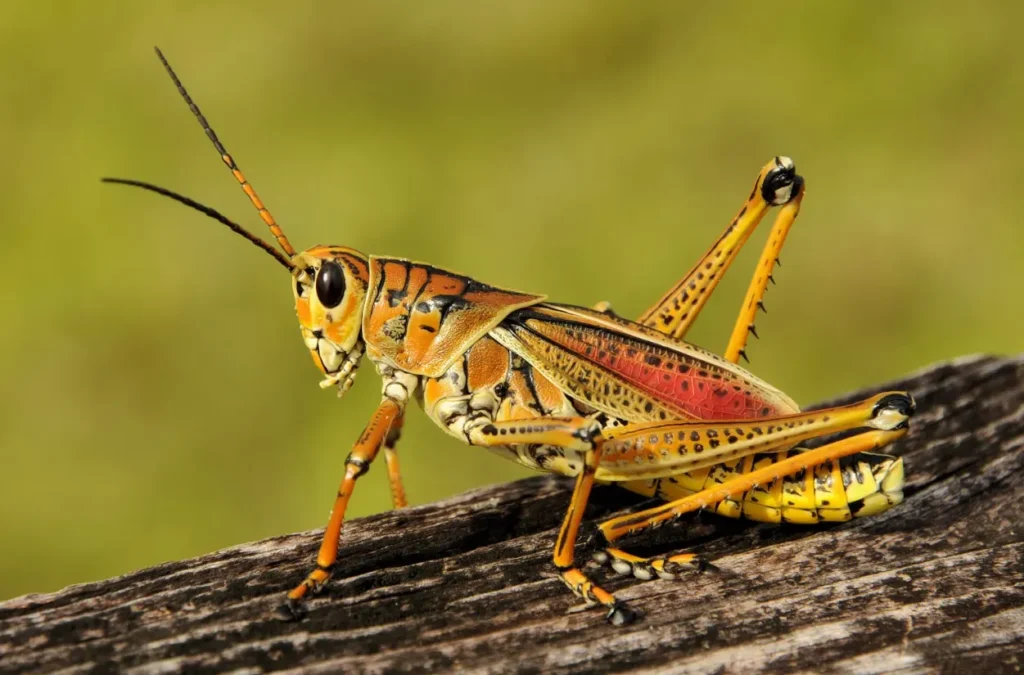
The lubber grasshopper is a large, slow-moving species known for its bright colors.
⚔️ locust vs grasshopper
The difference between locusts and grasshoppers lies in behavior—locusts can form destructive swarms.
✏️ grasshopper drawing
A grasshopper drawing is often used in education to teach insect anatomy.
These terms help broaden understanding and prevent confusion about grasshoppers.
What to Do to Protect Them in Nature and Save the System for the Future
- 🌱 Preserve natural habitats like grasslands and meadows
- 🚫 Reduce pesticide use to prevent harming beneficial insects
- 🌍 Promote sustainable farming practices
- 🌿 Plant native vegetation to support their food sources
- 📚 Educate communities about their ecological importance
- 🦗 Encourage biodiversity conservation efforts
- 🚜 Use eco-friendly pest control methods
- 🌎 Support environmental protection policies
Protecting grasshoppers ensures a balanced ecosystem and supports other species that depend on them.
Frequently Asked Questions (FAQs)
1. What is the life cycle of a grasshopper?
It includes egg, nymph, and adult stages.
2. How many times do grasshoppers molt?
They molt about 5–6 times before becoming adults.
3. Where do grasshoppers lay eggs?
In soil, usually in protected areas.
4. What do grasshopper nymphs eat?
They eat the same plants as adults.
5. Are grasshoppers harmful to crops?
Yes, in large numbers, they can damage crops.
6. How long do grasshoppers live?
Typically, a few months to a year.
7. What predators eat grasshoppers?
Birds, frogs, spiders, and reptiles.
8. Can grasshoppers fly?
Yes, adult grasshoppers can fly using their wings.
Conclusion
The grasshopper life cycle is a remarkable example of nature’s efficiency and adaptability. From eggs hidden beneath the soil to active adults hopping across fields, each stage plays a critical role in their survival. Their ability to undergo incomplete metamorphosis allows them to adapt quickly and thrive in diverse environments.
Grasshoppers are more than just common insects—they are vital contributors to ecosystems. They help control plant populations, support food chains, and recycle nutrients. While they can sometimes become agricultural pests, their ecological importance cannot be ignored.
By understanding their life cycle and behavior, we can better appreciate their role in nature and take steps to protect them. Preserving their habitats and promoting sustainable practices will ensure that grasshoppers continue to thrive, maintaining ecosystem balance for future generations.
Also Read About: varied carpet beetle life cycle