
The sunflower life cycle is one of the most fascinating natural processes in the plant world. From a tiny seed buried in soil to a towering golden bloom tracking the sun, sunflowers represent resilience, beauty, and ecological value. In 2026, sunflowers are not only admired for their striking appearance but also valued for their economic, nutritional, and environmental benefits.
Sunflowers (Helianthus annuus) are widely cultivated across the globe. They are known for producing sunflower oil, nutritious seeds, and even eco-friendly industrial materials. Their seeds are commonly consumed as snacks, such as popular varieties like Smackin’ Sunflower Seeds, while their oil is debated in health discussions, such as “Is sunflower oil bad for you?” Despite the controversy, sunflower-based products remain a staple in many households.
Beyond their commercial uses, sunflowers play a crucial role in supporting pollinators and maintaining ecological balance. Their ability to grow in diverse environments—from dry regions to fertile farmland—makes them a symbol of adaptability.
Understanding the sunflower life cycle helps gardeners, farmers, and nature enthusiasts appreciate how these plants grow, reproduce, and survive. It also highlights how we can protect them for future generations.
In this article, we’ll explore the origin, evolution, scientific classification, life cycle stages, reproduction, ecological importance, and conservation strategies of sunflowers—along with key insights into related LSI keywords like sunflower lecithin, sunflower drawing, and teddy bear sunflower.
Their Evolution And Their Origin
Sunflowers have a rich evolutionary history that dates back thousands of years. Native to North America, they were first domesticated by Indigenous peoples over 4,500 years ago. Archaeological evidence shows that early civilizations cultivated sunflowers for food, oil, dye, and medicinal purposes.
Origins in North America
Sunflowers originated in the regions that are now the United States and Mexico. Early farmers selected plants with larger seeds and stronger stems, gradually improving their yield and usefulness.
These ancient agricultural practices laid the foundation for modern sunflower cultivation.
Evolution Through Domestication
Over the centuries, sunflowers have evolved significantly through selective breeding. Early wild sunflowers had smaller flower heads and fewer seeds. However, humans cultivated varieties with:
- Larger seed heads
- Higher oil content
- Increased resistance to pests
This evolution transformed sunflowers into one of the world’s most important oilseed crops.
Global Spread
Sunflowers were introduced to Europe in the 16th century by Spanish explorers. From there, they spread to Russia, where large-scale cultivation began.
Russia played a major role in developing high-oil sunflower varieties. Today, countries like Ukraine, Russia, Argentina, and China are leading producers.
Adaptation to Environments
Sunflowers are highly adaptable plants. They can grow in:
- Dry climates with limited rainfall
- Poor soil conditions
- Temperate and subtropical regions
Their deep root systems allow them to access underground water, making them resilient in harsh environments.
Modern Evolution in 2026
In 2026, sunflower breeding focuses on sustainability and climate resilience. Scientists are developing:
- Drought-resistant hybrids
- Disease-resistant varieties
- High-yield oil-producing plants
This ongoing evolution ensures that sunflowers remain a vital crop in the future.
The History of Their Scientific Naming
The scientific naming of sunflowers reflects their unique characteristics and botanical classification.
- The sunflower’s scientific name is Helianthus annuus
- The name comes from Greek words:
- Helios = Sun
- Anthos = Flower
This name perfectly describes the sunflower’s sun-like appearance.
Key Points in Scientific Naming History:
- Carl Linnaeus, the father of modern taxonomy, officially classified sunflowers in the 18th century
- The genus Helianthus includes over 70 species
- Helianthus annuus is the most widely cultivated species
- The classification is based on features like flower structure, seed formation, and growth patterns
Botanical Classification:
- Kingdom: Plantae
- Family: Asteraceae
- Genus: Helianthus
- Species: annuus
Unique Characteristics in Naming:
- Sunflowers belong to the Asteraceae family, which includes daisies and asters
- What appears to be a single flower is actually a cluster of hundreds of tiny florets
- This composite structure influenced its classification
Modern Scientific Insights (2026):
- Genetic research has refined sunflower classification
- DNA sequencing helps identify hybrid varieties
- Scientists now use molecular data to improve crop breeding
The scientific naming of sunflowers not only reflects their beauty but also their biological complexity and importance in plant science.
Their life cycle and ability to survive in nature
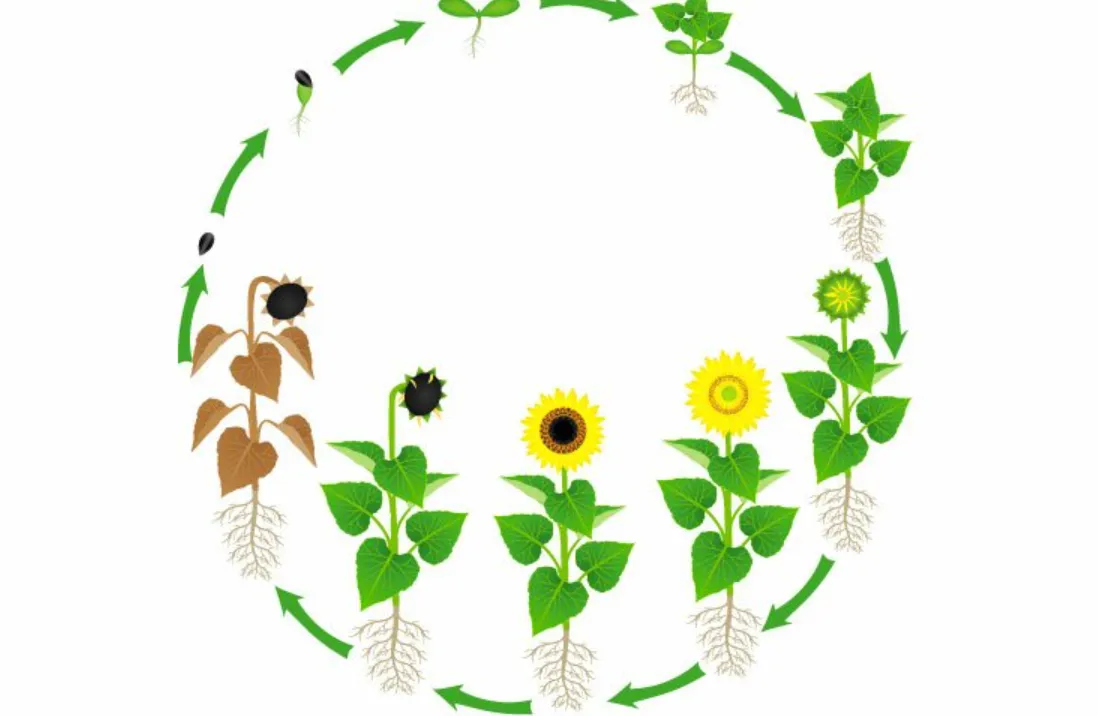
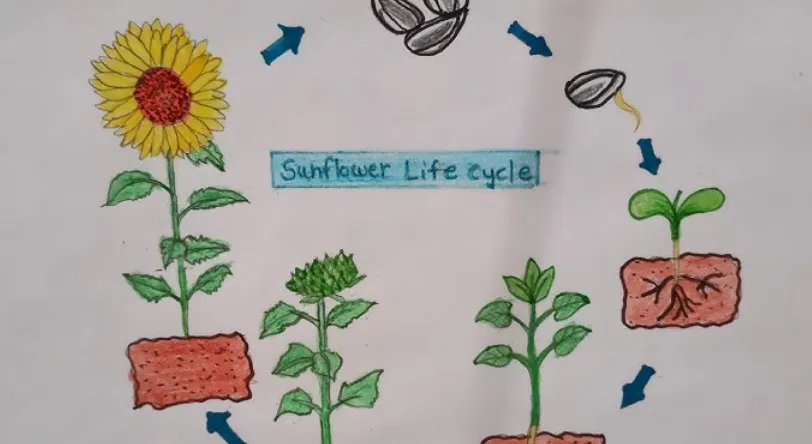
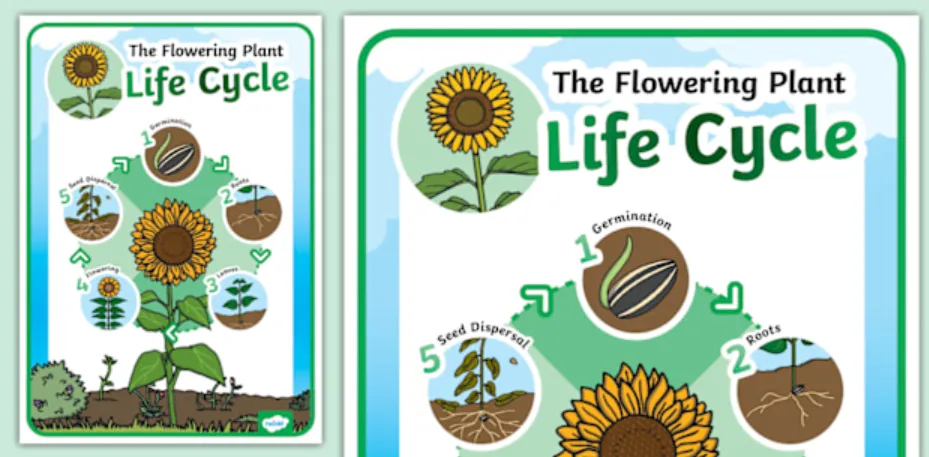
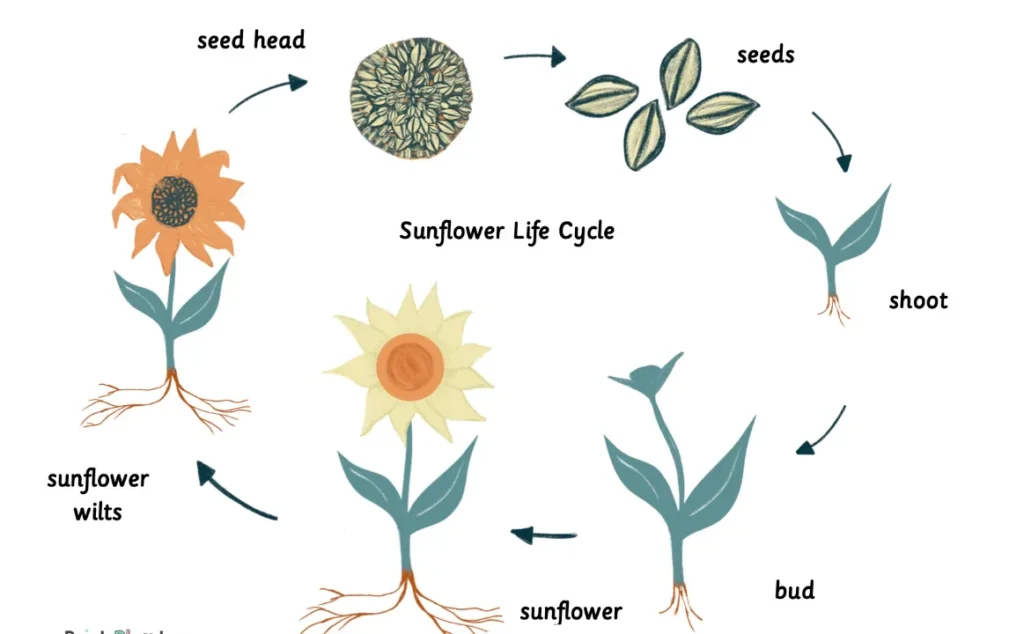
The sunflower life cycle consists of several distinct stages, each essential for growth and survival.
🌱 1. Seed Stage
- The life cycle begins with a sunflower seed planted in soil
- Seeds require moisture, warmth, and oxygen to germinate
🌿 2. Germination
- Seeds sprout within 7–10 days
- Roots grow downward while shoots emerge upward
🌼 3. Seedling Stage
- Small leaves appear and begin photosynthesis
- The plant develops a strong root system
🌻 4. Vegetative Growth
- Rapid stem growth occurs
- Leaves expand to capture sunlight
🌸 5. Bud Formation
- A flower bud forms at the top of the stem
- The plant prepares for reproduction
🌞 6. Flowering Stage
- The sunflower blooms and faces the sun (heliotropism)
- Pollinators like bees visit the flower
🌰 7. Seed Development
- Fertilized florets produce seeds
- The flower head becomes heavy with seeds
🌾 8. Maturity and Harvest
- The plant dries out
- Seeds are ready for harvesting
Survival Abilities:
- Deep roots access water in dry conditions
- Thick stems provide structural support
- Sun tracking maximizes photosynthesis
- Natural resistance to pests
These adaptations allow sunflowers to thrive in diverse environments.
Their Reproductive Process and raising their children
Sunflowers reproduce through seeds, ensuring the continuation of their species.
🌻 Reproductive Process:
- Sunflowers are angiosperms (flowering plants)
- Each flower head contains two types of florets:
- Disc florets (produce seeds)
- Ray florets (attract pollinators)
Pollination:
- Bees, butterflies, and insects transfer pollen
- Cross-pollination increases genetic diversity
Fertilization:
- Pollen fertilizes ovules
- Seeds begin forming inside the flower head
Seed Development:
- Seeds mature over several weeks
- Nutrients are stored for future growth
Raising “Children” (Seeds):
- Seeds fall to the ground naturally
- Some are dispersed by birds or wind
- Others are harvested by humans
Germination of New Plants:
- Seeds germinate under favorable conditions
- A new sunflower plant begins its life cycle
Key Advantages:
- High seed production ensures survival
- Seeds can remain dormant until conditions improve
- Wide dispersal increases growth opportunities
This efficient reproductive system helps sunflowers thrive across generations.
Importance of them in Ecosystem
Sunflowers play a vital role in maintaining ecological balance.
🌍 Ecological Importance:
- Provide nectar for bees and pollinators
- Support biodiversity in agricultural systems
- Improve soil health through deep roots
- Help in phytoremediation (removing toxins from soil)
🌻 Benefits to Wildlife:
- Seeds feed birds and small animals
- Flowers attract beneficial insects
🌱 Environmental Benefits:
- Reduce soil erosion
- Enhance soil fertility
- Act as natural carbon absorbers
🌾 Agricultural Importance:
- Used in crop rotation systems
- Improve soil structure for future crops
🌿 Human Benefits:
- Source of healthy oil
- Provide food and raw materials
Sunflowers are essential not just for beauty but for sustaining ecosystems.
🌟 Important Things That You Need To Know
Sunflowers are connected to many interesting and practical topics. Let’s explore some important LSI keywords related to sunflowers.
🌻 Sunflower Oil
Sunflower oil is widely used in cooking due to its light flavor and high vitamin E content. Many people ask, “Is sunflower oil bad for you?” The answer depends on usage. When consumed in moderation and not overheated, it can be part of a healthy diet.
🌱 Sunflower Lecithin
Sunflower lecithin is a natural emulsifier used in food and supplements. It supports brain health and improves digestion. Unlike soy lecithin, it is non-GMO and allergen-friendly.
🎨 Sunflower Drawing
A sunflower drawing is popular in art and education. Its symmetrical pattern and vibrant petals make it ideal for beginners and professionals alike.
🌻 Teddy Bear Sunflower
The teddy bear sunflower is a dwarf variety with fluffy, double-layered petals. It is perfect for small gardens and decorative purposes.
🌻 Smackin Sunflower Seeds
Smackin sunflower seeds are flavored snack seeds gaining popularity among young consumers. They are rich in protein and healthy fats.
These keywords highlight the versatility of sunflowers in health, art, agriculture, and lifestyle.
What to do to protect them in nature and save the system for the future
Protecting sunflowers is essential for maintaining biodiversity and ecological balance.
🌿 Conservation Strategies:
- Promote organic farming to reduce chemical damage
- Protect pollinators like bees by avoiding pesticides
- Encourage sustainable agriculture practices
- Plant sunflowers in gardens and urban spaces
- Support biodiversity-friendly policies
- Reduce soil pollution and contamination
- Use eco-friendly fertilizers
- Educate communities about environmental protection
🌍 Future Actions:
- Invest in climate-resilient sunflower varieties
- Promote awareness about their ecological importance
- Support local farmers
By taking these steps, we can ensure sunflowers continue to thrive for future generations.
Frequently Asked Questions (FAQs)
1. How long does the sunflower life cycle take?
Typically, 70–100 days from seed to maturity.
2. Do sunflowers always face the sun?
Young sunflowers track the sun, but mature ones face east.
3. Are sunflower seeds healthy?
Yes, they are rich in protein, vitamins, and healthy fats.
4. Can sunflowers grow in poor soil?
Yes, they are highly adaptable and can grow in less fertile soil.
5. What is sunflower lecithin used for?
It is used as an emulsifier in food and supplements.
6. Is sunflower oil bad for health?
Not necessarily—moderation and proper use are key.
7. What animals eat sunflower seeds?
Birds, squirrels, and small mammals commonly eat them.
8. What is a teddy bear sunflower?
A dwarf sunflower variety with fluffy, double petals.
Conclusion
The sunflower life cycle is a remarkable journey that showcases nature’s brilliance, adaptability, and resilience. From a small seed buried in the soil to a towering plant crowned with a radiant bloom, sunflowers symbolize growth, sustainability, and ecological harmony.
In 2026, sunflowers continue to play a vital role in agriculture, health, and environmental conservation. Their ability to thrive in diverse conditions, support pollinators, and improve soil health makes them indispensable to ecosystems worldwide. Moreover, their products—such as sunflower oil, seeds, and lecithin—highlight their economic and nutritional importance.
Understanding their life cycle allows us to appreciate the intricate processes that sustain plant life. It also reminds us of our responsibility to protect these valuable plants. By adopting sustainable practices, conserving pollinators, and promoting awareness, we can ensure that sunflowers remain a thriving part of our natural world.
Whether admired in a garden, used in cooking, or studied for scientific purposes, sunflowers continue to inspire and benefit humanity. Their journey from seed to bloom is not just a biological process—it is a powerful example of nature’s enduring strength and beauty.
Also Read About: Frog Life Cycle