
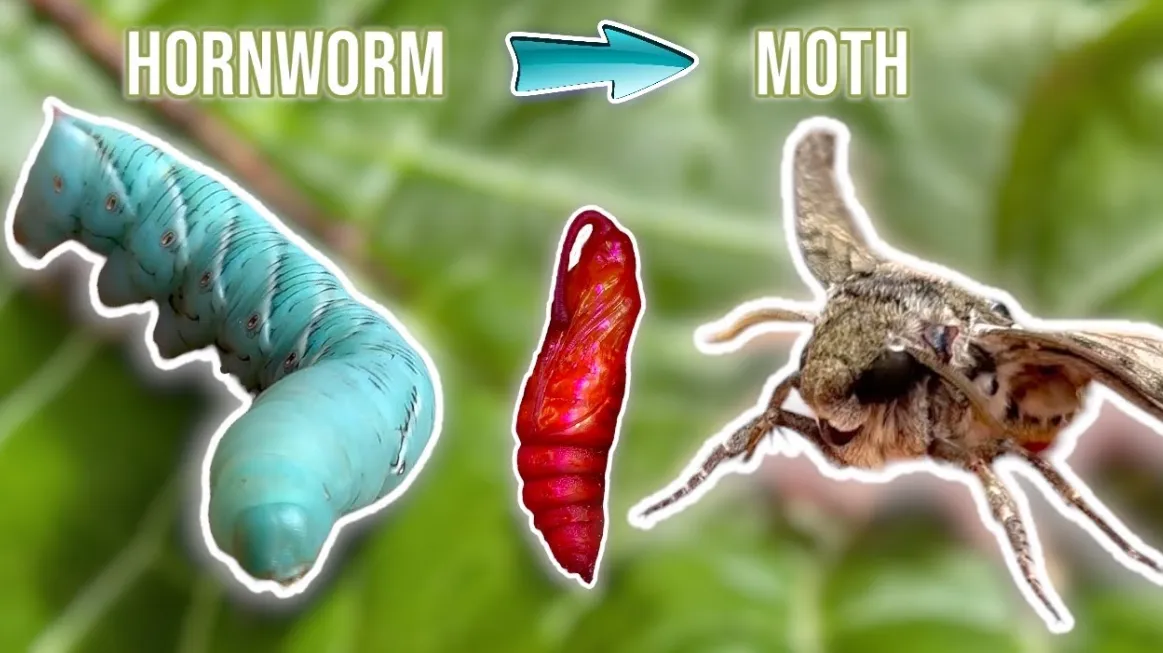
The tomato hornworm life cycle is one of the most fascinating yet controversial topics among gardeners and nature enthusiasts. Known for their large size and voracious appetite, tomato hornworms can quickly transform from tiny eggs into massive caterpillars capable of stripping entire tomato plants overnight. But beyond their reputation as pests, these creatures play a crucial role in the Ecosystem.
Tomato hornworms are actually the larval stage of the hawk moth, commonly referred to as the tomato hornworm moth. While gardeners often ask, “should I kill tomato hornworm?”, the answer is not always straightforward. Understanding their life cycle helps us make better decisions—balancing crop protection with ecological preservation.
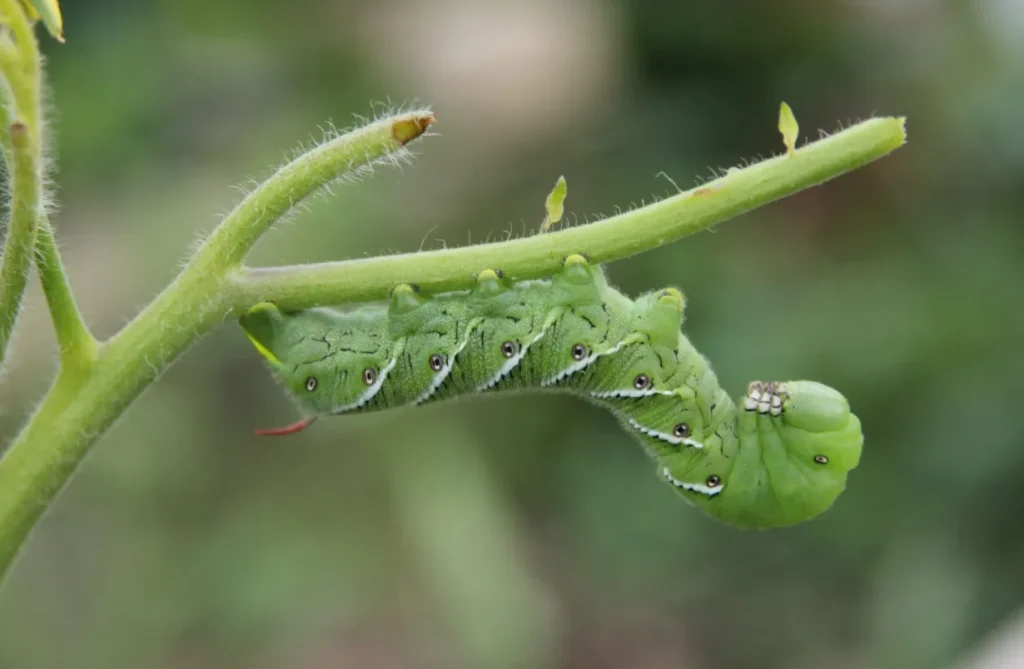
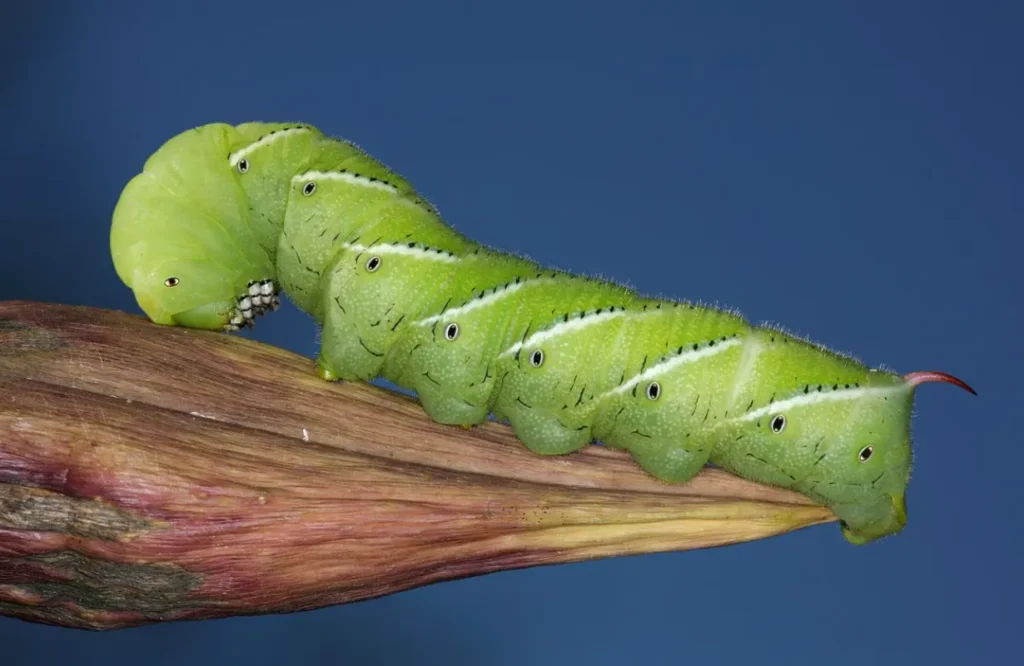
These caterpillars are typically bright green with white diagonal stripes and a distinctive horn-like structure on their rear end. Despite their intimidating appearance, they are harmless to humans. Their real impact is on plants like tomatoes, peppers, and eggplants.
In 2026, sustainable gardening practices emphasize coexistence with nature. That means learning how to manage pests without disrupting the broader Ecosystem. The tomato hornworm is a perfect example of why knowledge matters. When you understand how they grow, reproduce, and survive, you can control them more effectively—and even appreciate their role in nature.
This guide will explore everything you need to know, from their origin and scientific naming to their survival strategies and ecological importance. Whether you’re a gardener, student, or curious reader, this deep dive will give you a complete understanding of tomato hornworms.
Their Evolution And Their Origin
The tomato hornworm (Manduca quinquemaculata) belongs to the Sphingidae family, commonly known as hawk moths or sphinx moths. These insects have evolved over millions of years, adapting to diverse environments across North and South America.
From an evolutionary standpoint, hornworms are highly specialized feeders. Their ancestors likely fed on wild nightshade plants long before humans cultivated tomatoes. As agriculture spread, these caterpillars adapted seamlessly to tomato crops, which belong to the same plant family (Solanaceae).
One of their most remarkable evolutionary traits is camouflage. Their bright green color allows them to blend perfectly with plant leaves, making them nearly invisible to predators. This adaptation has significantly increased their survival rate over generations.
Another evolutionary advantage is their rapid growth cycle. Tomato hornworms can grow up to 4 inches long in just a few weeks. This fast development reduces their exposure to predators during vulnerable stages.
The horn-like structure on their tail, often mistaken for a stinger, is purely defensive in appearance. It evolved as a deterrent to predators, even though it poses no actual threat.
Over time, these caterpillars also developed a strong relationship with parasitic wasps. While this may seem harmful, it actually helps regulate their population naturally. This balance has been maintained for thousands of years in natural ecosystems.
Geographically, tomato hornworms are most common in North America, particularly in warm regions. However, due to global agriculture and climate change, their range has expanded in recent years, including parts of Asia.
In 2026, studies show that climate shifts are slightly extending their breeding seasons. Warmer temperatures allow more generations per year, making them more noticeable in gardens.
Overall, the evolution of tomato hornworms reflects nature’s ability to adapt, survive, and maintain ecological balance—even in human-dominated environments.
The History of Their Scientific Naming
The scientific naming of tomato hornworms reflects centuries of entomological research and classification.
- The tomato hornworm is scientifically known as Manduca quinquemaculata
- It belongs to the family Sphingidae, which includes fast-flying moths
- The genus Manduca includes several similar species, such as tobacco hornworms
Key Historical Points:
- 18th Century Classification: Early naturalists first documented hornworms during the expansion of botanical studies in Europe and North America
- Carl Linnaeus Influence: The binomial naming system introduced by Linnaeus laid the foundation for naming species like Manduca
- Species Differentiation: Scientists later distinguished between tomato and tobacco hornworms based on markings and host plants
- Meaning of the Name: “quinquemaculata” refers to the five distinct spots found on the adult moth’s abdomen
- Modern Taxonomy (2026): Advances in genetic research have confirmed their classification and evolutionary relationships within Sphingidae
Today, scientific naming helps researchers track species distribution, behavior, and ecological impact more accurately than ever before.
Their life cycle and ability to survive in nature
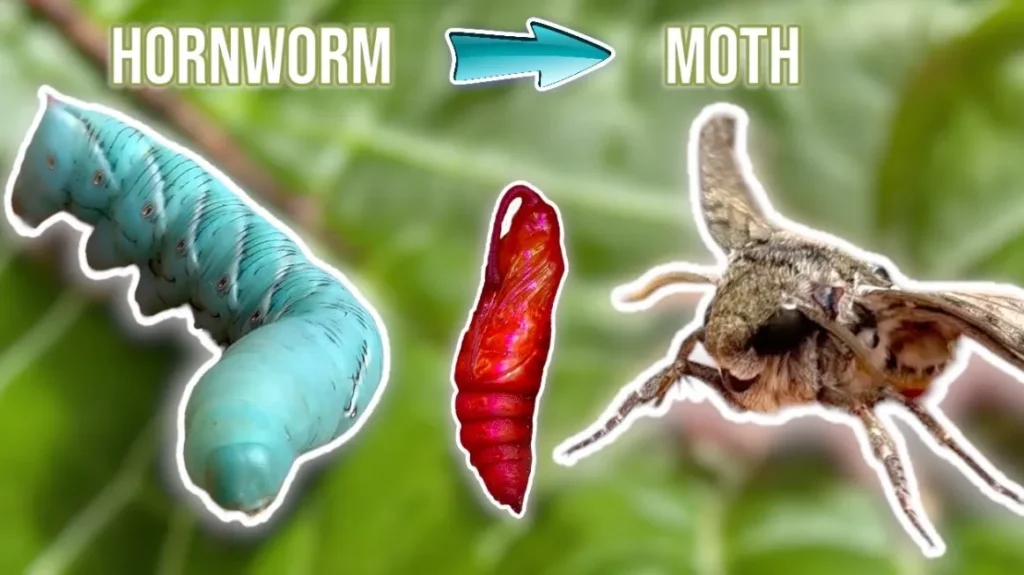
The tomato hornworm life cycle consists of four main stages, each crucial for survival.
1. Egg Stage
- Female moths lay small, green eggs on leaf undersides
- Eggs hatch within 5–7 days
2. Larval Stage (Caterpillar)
- This is the most destructive phase
- The tomato hornworm caterpillar feeds aggressively on leaves and fruits
- Rapid growth occurs over 2–4 weeks
3. Pupal Stage
- Caterpillars burrow into soil to pupate
- This stage lasts about 2–4 weeks or longer in colder climates
4. Adult Stage (Moth)
- Emerges as a tomato hornworm moth
- Feeds on nectar and reproduces
Survival Abilities:
- Excellent camouflage
- Fast growth reduces predator exposure
- Ability to overwinter as pupae
- Strong flying ability in the adult stage
These survival strategies make hornworms resilient and adaptable in various environments.
Important Things That You Need To Know
Understanding related concepts and common questions helps you better manage hornworms.
The tomato hornworm is often mistaken for its close relative, the tobacco hornworm. Both look similar but have slight differences in markings.
Many gardeners ask, “Should I kill tomato hornworm?” The answer depends on your gardening goals. If you want to protect crops, removal is necessary. However, allowing a few to survive supports biodiversity.
The presence of tomato hornworm eggs on leaves is an early warning sign. Regular inspections help prevent infestations before they get out of control.
The tomato hornworm caterpillar is the most damaging stage. A single caterpillar can consume large amounts of foliage daily.
For effective tomato hornworm control, natural methods such as handpicking, introducing beneficial insects, and using organic sprays are preferred over chemical pesticides.
In 2026, sustainable gardening trends encourage the use of integrated pest management (IPM). This approach balances plant protection with environmental responsibility.
Understanding these key points allows gardeners to make informed decisions without unnecessarily harming the Ecosystem.
Their Reproductive Process and raising their children
Tomato hornworms have a highly efficient reproductive system that ensures the survival of the species.
Reproductive Process:
- Female moths lay hundreds of eggs during their lifespan
- Eggs are placed on host plants like tomatoes and peppers
- Egg placement ensures immediate food availability for larvae
Raising Their Young:
- No parental care after egg-laying
- Caterpillars are independent from birth
- Rapid feeding supports quick growth
Key Points:
- A high reproduction rate increases survival chances
- A short life cycle allows multiple generations per year
- Natural selection ensures only the strongest survive
This reproductive strategy is common among insects and contributes to their widespread presence.
The importance of them in the Ecosystem
Despite being labeled as pests, tomato hornworms play a vital role in nature.
Key Ecological Contributions:
- Food Source: They serve as prey for birds, reptiles, and beneficial insects
- Pollination: Adult moths help pollinate flowers while feeding on nectar
- Population Balance: They are controlled naturally by parasitic wasps
- Nutrient Cycling: Their feeding contributes to plant pruning and decomposition
In balanced ecosystems, hornworms do not cause long-term harm. Instead, they are part of a natural cycle that supports biodiversity.
What to do to protect them in nature and save the system for the future
Sustainable practices are essential for maintaining ecological balance.
Here’s what you can do:
- Use Organic Methods: Avoid chemical pesticides that harm beneficial insects
- Encourage Natural Predators: Birds and wasps help control populations
- Practice Selective Removal: Remove excess caterpillars but leave some for ecosystem balance
- Plant Diversity: Grow a variety of plants to reduce pest concentration
- Monitor Regularly: Early detection prevents severe infestations
- Support Pollinators: Preserve habitats for moths and other insects
- Use Companion Planting: Basil and marigolds can deter pests naturally
These steps help maintain harmony between gardening and environmental conservation.
Frequently Asked Questions (FAQs)
1. What is the tomato hornworm life cycle duration?
It typically lasts 30–50 days, depending on climate conditions.
2. Are tomato hornworms harmful to humans?
No, they are harmless and do not sting or bite.
3. Should I kill tomato hornworm in my garden?
Only if they are damaging your plants excessively; otherwise, consider natural control.
4. What do tomato hornworm eggs look like?
They are small, round, and green, usually found under leaves.
5. How can I identify a tomato hornworm caterpillar?
Look for a large green body with white stripes and a horn on the tail.
6. What is the tomato hornworm moth?
It is a large gray-brown moth known as a hawk moth or sphinx moth.
7. What is the best tomato hornworm control method?
Handpicking and introducing natural predators are most effective.
8. Do hornworms return every year?
Yes, especially in warm climates where they can overwinter in soil.
Conclusion
The tomato hornworm life cycle reveals a complex and fascinating journey from egg to moth. While these caterpillars are often seen as destructive pests, they are also an essential part of the Ecosystem. Their ability to grow rapidly, adapt to environmental changes, and reproduce efficiently makes them one of the most resilient insects in nature.
In 2026, the focus has shifted toward sustainable gardening and ecological awareness. Instead of immediately eliminating hornworms, gardeners are encouraged to understand their role and manage them responsibly. This includes using natural control methods, supporting beneficial insects, and maintaining biodiversity.
By learning about their evolution, scientific classification, reproduction, and ecological importance, we gain a deeper appreciation for these creatures. The question is no longer just “should I kill tomato hornworm?” but rather “how can I manage them while protecting the environment?”
Ultimately, balance is the key. A healthy garden is not one without insects, but one where all organisms coexist in harmony. Tomato hornworms, despite their appetite, contribute to that balance in meaningful ways.
Understanding them is the first step toward smarter, more sustainable gardening—and a healthier planet for the future.
Also Read About: sunflower life cycle