
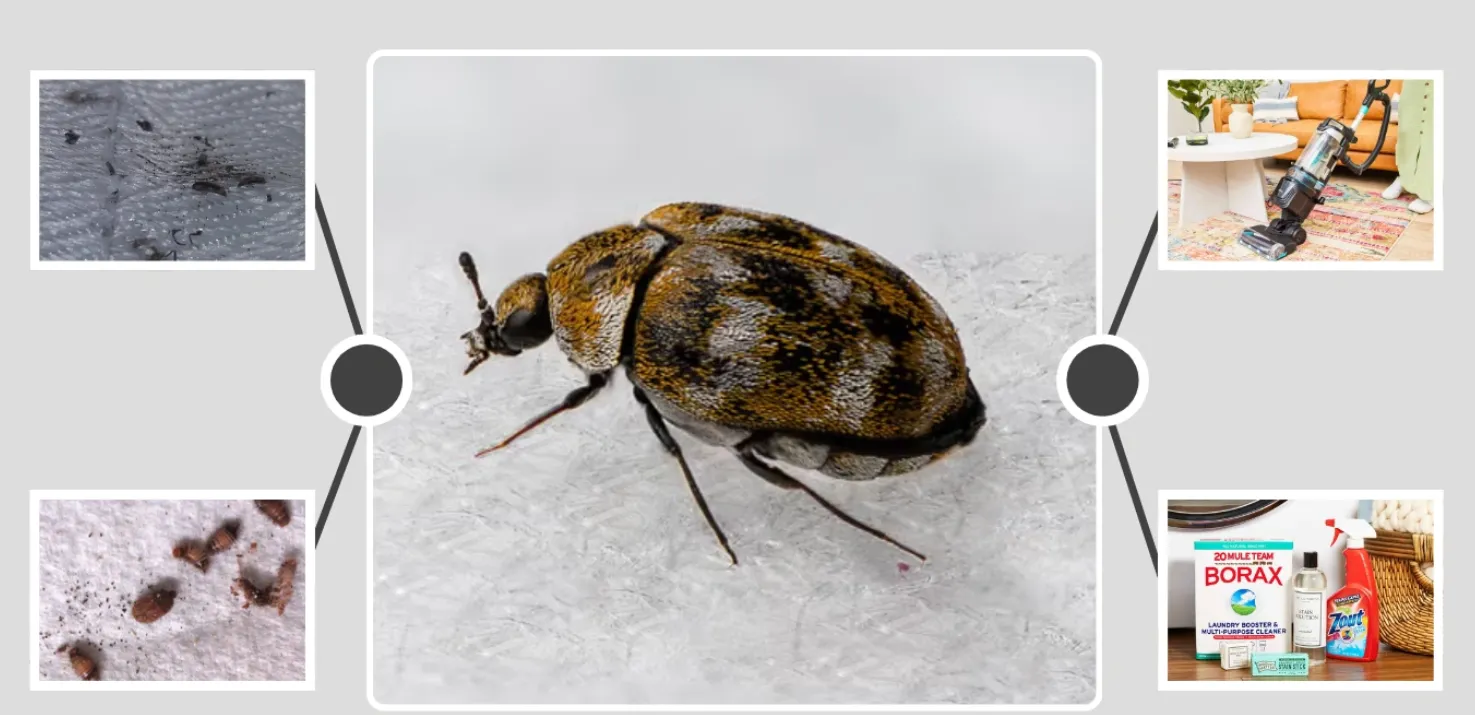
The varied carpet beetle life cycle is one of the most fascinating yet often misunderstood aspects of household insects. These tiny creatures, scientifically known as Anthrenus verbasci, are commonly found in homes, museums, and natural environments. While many people recognize them as pests for their ability to damage fabrics and stored goods, their life cycles and ecological roles reveal a much more complex story.
Understanding the varied life stages of carpet beetles—from egg to adult—not only helps homeowners manage infestations but also provides insight into how these insects contribute to nature. Their lifecycle is uniquely adapted for survival, allowing them to thrive in both indoor and outdoor environments. This adaptability is one reason they remain widespread across continents, especially in temperate regions.
In 2026, Research continues to highlight how climate change, urbanization, and indoor living habits influence population growth. Their presence is no longer limited to carpets; they are now frequently found in stored foods, closets, and even air vents. Despite their reputation, varied carpet beetles play an essential role in recycling organic materials, making them an important part of ecosystems.
This article explores everything you need to know—from their evolutionary origins to their reproduction, survival strategies, and ecological importance. Whether you’re curious about their biology or looking for ways to control them, this comprehensive guide will give you clear, practical, and scientifically accurate insights.
Their Evolution And Their Origin
The varied carpet beetle belongs to the family Dermestidae, a group of beetles known for their scavenging behavior. Their evolutionary roots trace back millions of years, long before human civilization began storing textiles or grains.
These beetles evolved as natural recyclers. In ancient ecosystems, they primarily fed on animal remains, feathers, fur, and dried organic materials. This diet allowed them to occupy a niche that few other insects could exploit. Over time, their digestive systems adapted to break down keratin—a tough protein found in hair, wool, and feathers.
As mammals and birds diversified, so did dermestid beetles. The varied carpet beetle emerged as one of the most adaptable species within this family. Its ability to survive in both natural and human-made environments gave it a significant evolutionary advantage.
During the expansion of human settlements, these beetles found new opportunities. Homes provided warmth, shelter, and a constant supply of food sources such as wool, silk, and stored products. This transition marked a key turning point in their evolutionary history.
Geographically, the varied carpet beetle is believed to have originated in Europe and Asia. However, global trade and transportation spread them worldwide. Today, they are found in nearly every region, including North America, Africa, and Australia.
Modern studies in 2026 suggest that these beetles continue to adapt to urban environments. They are becoming more resilient to temperature fluctuations and can survive longer periods without food. This adaptability highlights their evolutionary success and explains why they persist in homes and natural ecosystems.
The History Of Their Scientific Naming
The scientific classification of the varied carpet beetle reflects centuries of entomological Research and discovery. Below are key points that explain its naming history:
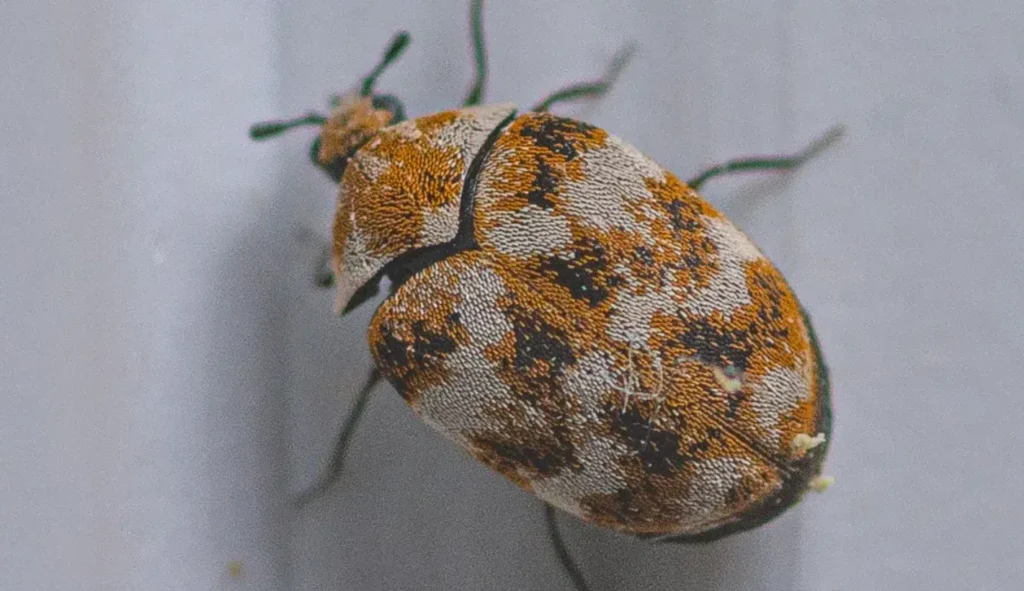
- Scientific Name: The varied carpet beetle is officially known as Anthrenus verbasci.
- Genus Meaning: “Anthrenus” comes from Greek origins, often associated with small insects or flowers, reflecting their attraction to pollen.
- Species Name Origin: “Verbasci” is derived from the mullein plant (Verbascum), where early specimens were frequently found.
- Early Classification: The species was first described in the 18th century by Carl Linnaeus, the father of modern taxonomy.
- Family Placement: It belongs to the Dermestidae family, which includes other scavenger beetles known for feeding on organic remains.
- Taxonomic Revisions: Over time, scientists refined its classification based on physical traits and genetic studies.
- Modern Research (2026): DNA analysis confirms its relationship with other dermestid beetles and helps distinguish it from similar species.
This scientific naming history not only reflects its biological identity but also highlights the importance of taxonomy in understanding insect diversity.
Their Life Cycle and Ability to Survive in Nature
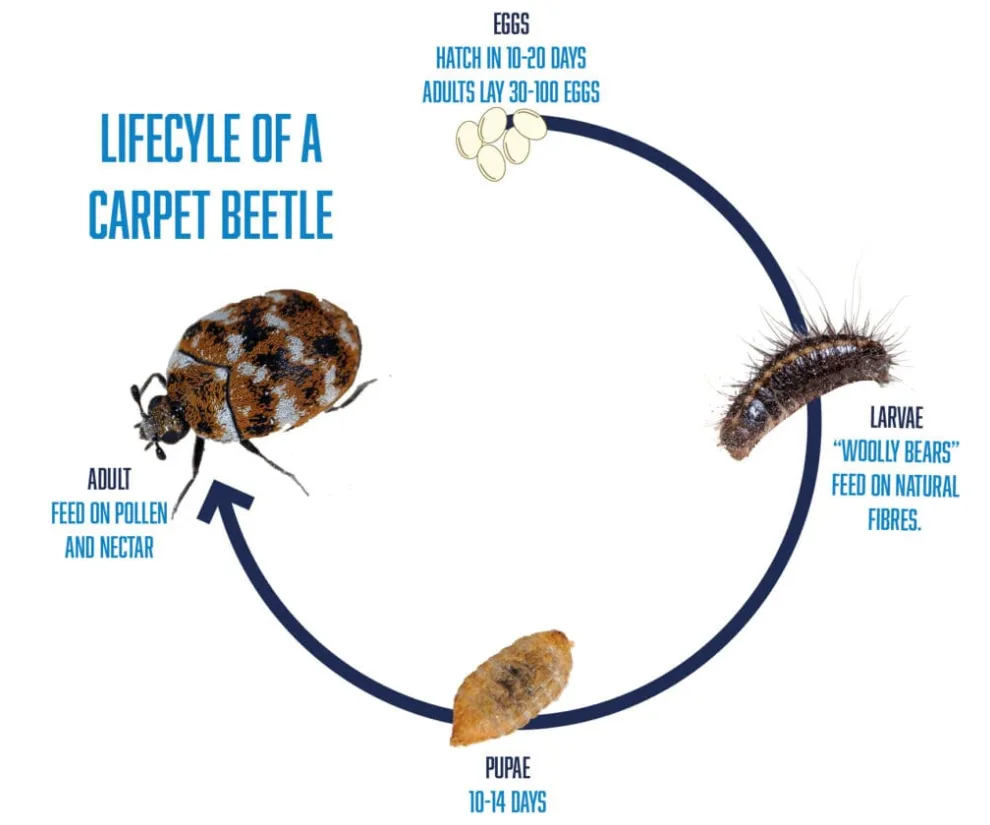
The varied carpet beetle life cycle consists of four main stages: egg, larva, pupa, and adult. Each stage plays a crucial role in their survival.
- Egg Stage: Females lay 30–100 eggs in hidden areas such as carpets, cracks, or stored fabrics. Eggs hatch within 1–2 weeks.
- Larval Stage: This is the most destructive phase. Larvae feed on natural fibers like wool, fur, and feathers. They can remain in this stage for several months to over a year depending on environmental conditions.
- Pupal Stage: After feeding, larvae transform into pupae. This stage lasts about 1–3 weeks.
- Adult Stage: Adult beetles emerge and primarily feed on pollen and nectar outdoors. Their lifespan is relatively short, usually a few weeks.
Their ability to survive lies in their flexibility. Larvae can endure long periods without food, making them highly resilient. They also prefer dark, undisturbed environments, which helps them avoid predators.
In nature, they thrive by feeding on dead insects, animal remains, and plant materials. Indoors, they adapt by consuming household items. This dual survival strategy ensures their continued existence across diverse habitats.
Important Things That You Need To Know
Understanding the broader behavior of these beetles involves exploring several related aspects. Here are key insights using important LSI keywords:
Varied Carpet Beetle Diet
The varied diet of the carpet beetle is surprisingly diverse. While larvae consume animal-based materials like wool and silk, adults prefer pollen and nectar. This shift in diet supports their lifecycle progression and reproduction.
Varied Carpet Beetle Larvae
The varied carpet beetle larvae are small, hairy, and often brownish. These larvae are responsible for most damage in homes. Their feeding habits make them a concern for textiles and stored goods.
Varied Carpet Beetle Lifespan
The varied carpet beetle lifespan varies significantly. Larvae can live for months, while adults typically survive only a few weeks. Environmental conditions greatly influence their longevity.
Varied Carpet Beetle Bites
Although commonly reported, varied carpet beetle bites are actually skin irritations caused by larval hairs. These can trigger allergic reactions but are not true insect bites.
How to Get Rid of Varied Carpet Beetle
Knowing how to get rid of varied carpet beetle infestations involves regular cleaning, vacuuming, and proper storage of fabrics. Preventive measures are more effective than reactive treatments.
These insights provide a deeper understanding of their behavior and help in managing their presence effectively.
Their Reproductive Process and Raising Their Children
The reproduction process of varied carpet beetles is both efficient and well-adapted to their environment.
- Mating Behavior: Adults mate shortly after emerging. They are often attracted to light and flowers, where mating occurs.
- Egg Laying: Females lay eggs in areas rich in food sources, ensuring larvae have immediate access to nutrition.
- High Reproductive Rate: A single female can lay dozens of eggs, increasing the species’ survival chances.
- Larval Independence: Once hatched, larvae are fully independent and begin feeding immediately.
- Protective Adaptations: Larvae have bristle-like hairs that deter predators and can irritate humans.
- Development Flexibility: Larval development time varies based on temperature and food availability, allowing them to survive harsh conditions.
Unlike mammals, these beetles do not “raise” their young in a traditional sense. However, their reproductive strategy ensures that offspring are placed in optimal environments for survival.
Importance of Them in the Ecosystem
Despite their reputation as pests, varied carpet beetles play a vital role in ecosystems.
- Natural Recyclers: They break down dead organic materials, including animal remains and shed feathers.
- Nutrient Cycling: By decomposing materials, they help return nutrients to the soil.
- Food Source: They serve as prey for other insects, birds, and small animals.
- Pollination Role: Adult beetles feed on pollen and may contribute to pollination.
- Biodiversity Contribution: Their presence supports ecological balance and diversity.
- Scientific Importance: They are used in forensic science to study decomposition timelines.
Their ecological contributions highlight the importance of maintaining balance rather than complete eradication.
What to do to protect them in nature and save the system for the future
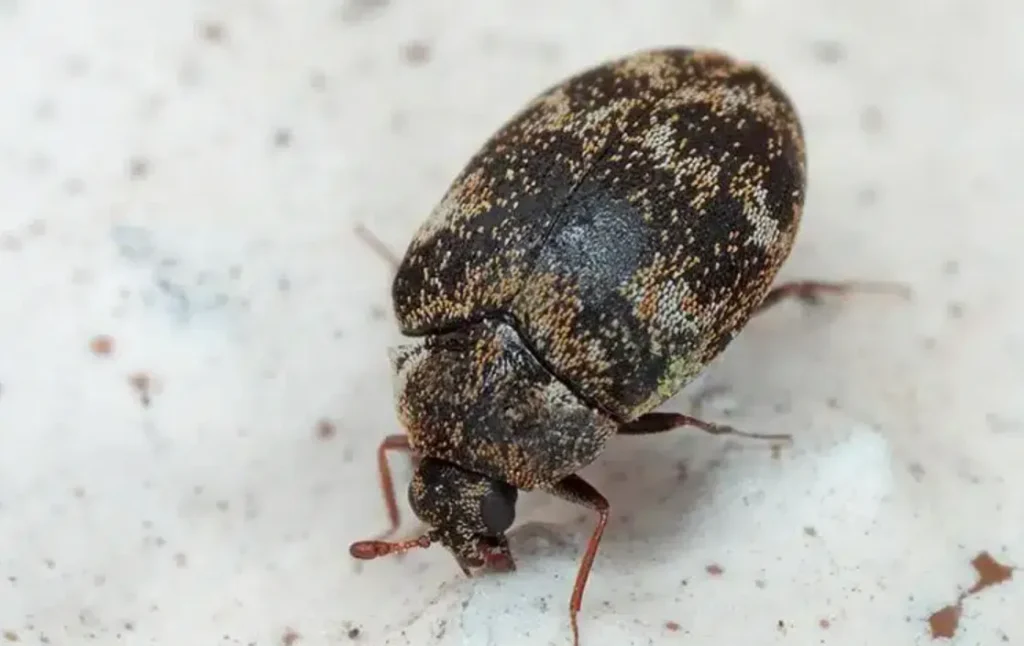
While controlling them indoors is important, protecting their ecological role in nature is equally essential.
- Avoid excessive use of pesticides in outdoor environments
- Preserve natural habitats where they contribute to decomposition
- Support biodiversity by maintaining healthy ecosystems
- Use eco-friendly pest control methods inside homes
- Educate communities about their ecological importance
- Reduce waste to minimize artificial food sources
- Encourage sustainable living practices
- Promote Research and awareness about beneficial insects
Balancing pest control with environmental protection ensures a healthier ecosystem for future generations.
Frequently Asked Questions (FAQs)
1. What is the varied carpet beetle life cycle duration?
It can range from a few months to over a year, depending on environmental conditions.
2. Are varied carpet beetles harmful to humans?
They are not directly harmful, but they can cause allergic reactions through their larval hairs.
3. Where do varied carpet beetles come from?
They originate from outdoor environments and enter homes through windows, doors, or infested items.
4. What do varied carpet beetles eat?
Larvae eat natural fibers, while adults feed on pollen and nectar.
5. How can I prevent an infestation?
Regular cleaning, vacuuming, and proper storage of fabrics can help prevent infestations.
6. Do varied carpet beetles bite?
They do not bite, but their larvae can cause skin irritation.
7. How long do adult carpet beetles live?
Adults typically live for a few weeks.
8. Can they survive without food?
Yes, larvae can survive for extended periods without food.
Conclusion
The varied carpet beetle life cycle is a remarkable example of adaptability and survival. From their ancient evolutionary origins to their presence in modern homes, these insects have demonstrated resilience and ecological importance.
While they are often viewed as pests due to their ability to damage fabrics and stored goods, their role in nature tells a different story. They act as natural recyclers, breaking down organic materials and contributing to nutrient cycling. Their presence supports biodiversity and even aids scientific Research.
Understanding their lifecycle—from egg to adult—provides valuable insights into how to manage them effectively. Prevention remains the most effective strategy, combining cleanliness, proper storage, and awareness.
In 2026, the focus is shifting toward balanced approaches that control infestations without harming ecosystems. By recognizing their ecological value and adopting sustainable practices, we can coexist with these insects while protecting our homes.
Ultimately, the varied carpet beetle is more than just a household nuisance—it is a vital component of the natural world. With the right knowledge and approach, we can manage their impact while appreciating their role in maintaining ecological balance.
Also Read About: tomato hornworm life cycle