
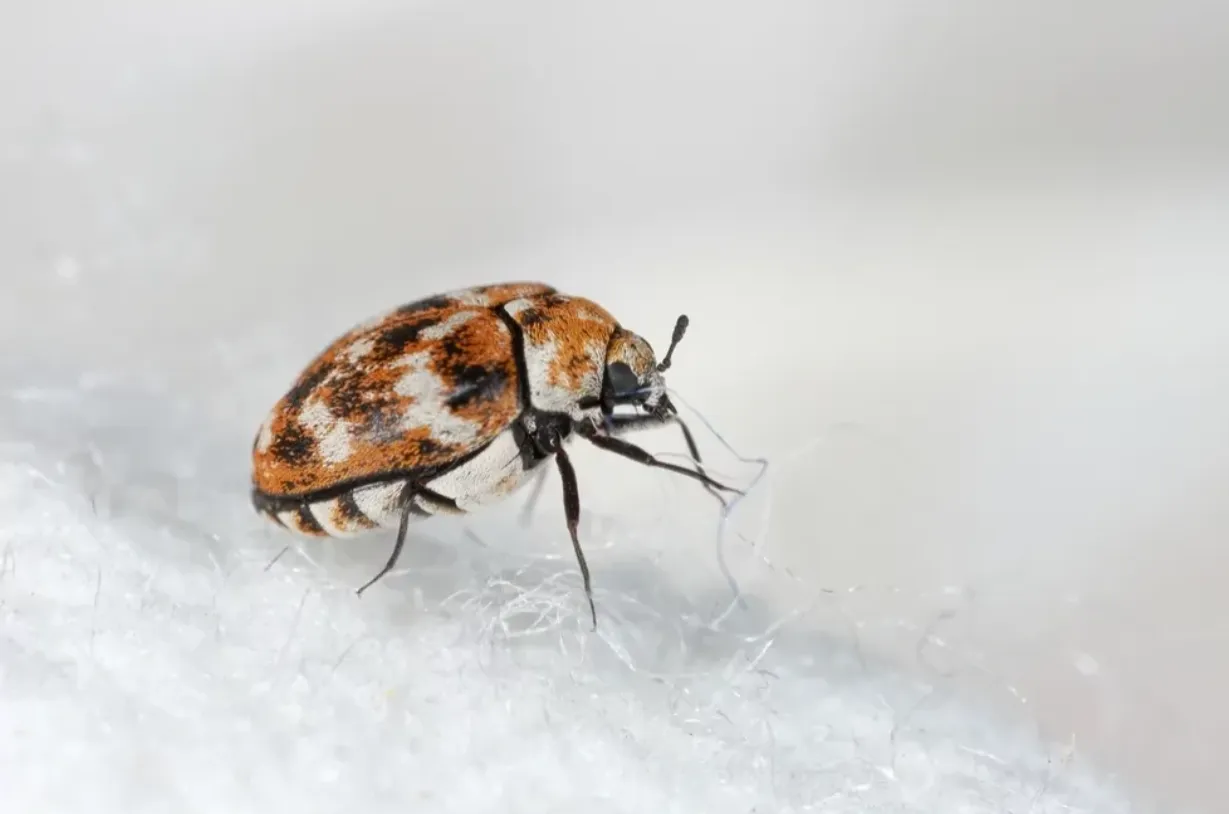
The carpet beetle life cycle is a complete transformation process that includes four main stages: egg, larva, pupa, and adult beetle. Carpet beetles are small insects from the family Dermestidae, a group known for feeding on dry animal-based materials during the larval stage. The adult carpet beetle is usually tiny, oval-shaped, and often seen near windows, lights, or flowers. However, the real damage inside homes usually comes from carpet beetle larvae, not the adult beetles. Extension entomology sources describe carpet beetles as insects with complete metamorphosis, meaning they pass through separate immature and adult forms.
In homes, larvae may feed on wool, silk, fur, feathers, pet hair, lint, dead insects, leather, and natural-fiber fabrics. Outdoors, adult beetles often feed on pollen and nectar, making them part of the wider insect ecosystem. The total life cycle can be short or very long, depending on species, food supply, temperature, and humidity. Some carpet beetles complete development in a few months, while larvae of certain species may remain active for many months or even longer under indoor conditions.
Quick Answers: Most Common Questions
Q: What are the four stages of the carpet beetle life cycle?
A: The four stages are egg, larva, pupa, and adult. The larval stage is the most destructive stage inside homes.
Q: Do carpet beetles bite humans?
A: No, carpet beetles do not bite humans. However, the hairs of carpet beetle larvae may irritate sensitive skin and cause a rash-like reaction in some people.
Q: How long does a carpet beetle live?
A: It depends on the species. For example, black carpet beetle larvae may live for about 166–330 days before pupating, while adult black carpet beetles may live around 4–8 weeks.
Quick Life Cycle Table
| Stage | What Happens | Common Duration | Key Detail |
| Egg | Females lay tiny pale eggs near food sources | About 1–3 weeks | Eggs are hidden in lint, cracks, fabrics, or stored materials |
| Larva | Larvae feed and molt several times | Months to over a year | Most damaging stage; feeds on wool, fur, feathers, silk, and debris |
| Pupa | Larva changes into adult form | About 1–2 weeks in many cases | Usually hidden in quiet, protected places |
| Adult | Beetle mates, flies feed on pollen outdoors | A few weeks to several weeks | Adults do not usually damage fabrics |
Important Things That You Need To Know
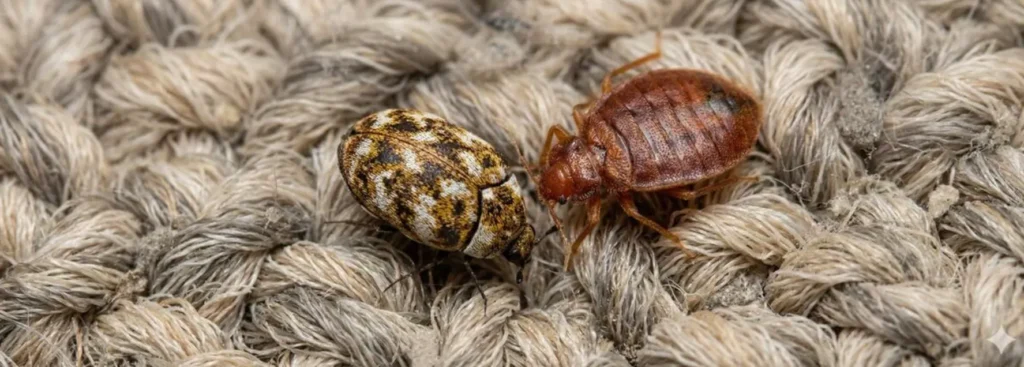
Understanding carpet beetle life cycle facts helps you identify whether you are seeing a harmless adult beetle or the damaging larval stage. The adult carpet beetle may appear near windows because it is attracted to light and may try to move outdoors. In contrast, carpet beetle larvae usually stay in dark, quiet areas where food is available.
The term “carpet beetle bites” is commonly searched for online, but it is slightly misleading. Carpet beetles are not blood-feeding insects like bed bugs or mosquitoes. They do not bite people for food. The itchy marks that people call carpet beetle rash are often linked to contact with larval hairs or shed skins, especially after repeated exposure.
Different species can behave slightly differently. The black carpet beetle is often associated with stored products and animal-based household materials. The varied carpet beetle is another common species, recognized by its small, rounded adult body and patterned scales. The carpet beetle larva is usually bristly, brownish, and slow-moving. These larvae avoid light and hide under furniture, behind baseboards, inside closets, under rugs, in air ducts, and around pet hair or lint.
The most important point is simple: adult beetles may reveal the problem, but larvae usually cause the real damage. To understand or manage them, focus on their food sources, hiding places, and life cycle timing.
The History of Their Scientific Naming, Evolution, and Origin
Scientific Naming and Family Background
Carpet beetles belong to the insect family Dermestidae. The name is linked to the Greek idea of “skin,” which fits their ability to feed on dry animal materials such as hide, hair, feathers, and dried remains. This feeding habit explains why dermestid beetles are also known in museums, natural history collections, and homes.
Common Species Names
Several species are called carpet beetles. The black carpet beetle is commonly known as Attagenus unicolor, while the varied carpet beetle is often called Anthrenus verbasci. These names help scientists separate species that may look similar to ordinary people but differ in markings, larval forms, and developmental times.
Evolution and Natural Origin
Carpet beetles did not originally evolve to live in modern houses. Their ancestors were natural recyclers that fed on dried animal remains, feathers, shed skin, dead insects, nests, and organic debris. Humans later created perfect artificial habitats: closets, wool carpets, stored fabrics, pet hair, and dry, hidden dust. This is why they can live both in nature and indoors.
Their Reproductive Process, Giving Birth, And Rising Their Children
Mating and Egg Laying
Adult carpet beetles reproduce after reaching maturity. Females usually choose protected places where young larvae can access food immediately. Eggs may be laid in lint, cracks, air ducts, stored fabrics, under furniture, behind baseboards, or near animal-based materials. Depending on the species, females may lay dozens of eggs; extension sources report ranges such as 30–100 eggs for some carpet beetles.
No Live Birth
Carpet beetles do not give birth to live young. They reproduce by laying eggs. These eggs are tiny, pale, and difficult to see without close inspection. Because eggs are hidden in quiet places, an infestation may remain unnoticed until larvae or shed skins appear.
Larvae Grow Independently
Carpet beetles do not raise their children in the way mammals or birds do. After hatching, carpet beetle larvae survive independently. Their main job is to eat, grow, and molt. They may shed their skin several times as they develop. Virginia Tech notes that larvae can molt multiple times, and larval development may last from months to much longer, depending on conditions.
Survival Strategy
Their reproductive success depends on hiding eggs near suitable food. This strategy allows larvae to begin feeding immediately after hatching. Warm indoor environments, pet hair, natural fabrics, dead insects, and undisturbed storage areas can support survival.
Stages of Carpet Beetle Life Cycle
1. Egg Stage
The egg stage begins when a female carpet beetle lays tiny eggs in a protected location. These eggs are usually placed near materials that larvae can eat after hatching. Common egg-laying sites include closet corners, folds of wool clothing, under carpets, behind furniture, inside air ducts, and near lint or pet hair. Eggs may hatch in 1 to 3 weeks, though timing depends on the species and indoor conditions.
2. Larval Stage
The larval stage is the most important and damaging part of the carpet beetle life cycle. Larvae are often brownish, bristly, and segmented. They avoid light and prefer quiet places. During this stage, they feed on natural materials such as wool, silk, fur, feathers, leather, hair, dead insects, and accumulated lint. Larvae grow by molting, which means they shed their outer skin as they become larger. Shed larval skins are often one of the clearest signs of an infestation.
3. Pupal Stage
After feeding enough, the larva enters the pupal stage. This is a transformation period where the larva changes into an adult beetle. Pupation usually happens in a hidden, protected area. In the black carpet beetle, UC IPM reports that the pupal stage may last about 8–14 days.
4. Adult Stage
The adult carpet beetle is small, oval-shaped, and often able to fly. Adults may move toward light and appear near windows. Unlike larvae, adult beetles usually feed outdoors on pollen and nectar. Their main role is reproduction. After mating, females search for hidden food-rich sites to lay eggs, restarting the life cycle.
Their main diet, food sources, and collection process are explained
The diet of carpet beetles changes strongly between the larval and adult stages. Adult beetles usually feed on pollen and nectar, while larvae feed on dry organic materials rich in animal proteins. This difference is why adults may be found outdoors on flowers, but larvae are found indoors in closets, carpets, and storage spaces.
Key larval food sources include:
- Wool clothing, wool carpets, and wool blankets
- Silk fabrics and natural-fiber textiles
- Fur, feathers, leather, and animal hair
- Pet hair collected under furniture or along baseboards
- Dead insects in window tracks, light fixtures, or wall voids
- Lint, dust, and organic debris in air ducts or closet corners
- Natural-bristle brushes and taxidermy items
- Stored dry animal-based materials
The “collection process” is not active hunting like a predator. Instead, carpet beetle larvae slowly search through hidden areas and feed where suitable material is available. They prefer dark and undisturbed places because these areas protect them from movement, cleaning, light, and predators.
This feeding habit explains why infestations often begin unnoticed. A closet, rug edge, storage box, or pet sleeping area may contain enough food to support larvae for a long time. Regular vacuuming, washing, and storage inspection can interrupt this food chain.
How Long Does A Carpet Beetle Live
The lifespan of a carpet beetle depends on species, temperature, humidity, food quality, and whether it lives indoors or outdoors. The life cycle can be surprisingly flexible because larvae can slow development when food is scarce or environmental conditions are unfavorable.
- The egg stage is short:
- Carpet beetle eggs commonly hatch within about 1–3 weeks. Some sources describe hatching in about one to two weeks, while others report ranges such as 9–16 days for black carpet beetles.
- The larval stage is the longest:
- The larval stage may last several months. In black carpet beetles, larvae may live for around 166–330 days before pupating. Other carpet beetle larvae can develop over a wide range of time depending on food and climate.
- Pupal stage is brief:
- The pupal stage is usually much shorter than the larval stage. For black carpet beetles, the pupal stage may last about 8–14 days.
- The adult stage is mainly for reproduction:
- Adult black carpet beetles may live around 4–8 weeks. During this stage, they mate and lay eggs. Adults may fly and are often seen near windows or lights.
- The total life cycle can vary widely:
- Some carpet beetles complete their life cycle in a few months, while others may take much longer. University extension materials note that the life cycle can range from about 3 months to 2 years, depending on conditions.
- Food quality matters:
- Larvae feeding on rich natural materials may grow faster. Poor food supply, cooler temperatures, or dry conditions can slow growth.
- Indoor environments can extend survival:
- Homes provide shelter from the weather and predators. If food sources remain untouched, larvae may continue developing in hidden places.
Carpet Beetle Life Cycle Lifespan in the Wild vs. in Captivity
Lifespan in the Wild
In nature, carpet beetles live around bird nests, animal nests, dead insects, dry remains, feathers, and other organic debris. Their development depends on seasonal weather, food availability, moisture, and predators. Outdoors, adult beetles may feed on flower pollen and nectar, then lay eggs near natural larval food sources. Their survival is less predictable because rain, cold, heat, parasites, and predators can reduce populations.
Lifespan Indoors or in Captivity-Like Conditions
Inside homes, museums, storage rooms, or controlled indoor spaces, carpet beetles may survive longer if food is available. Indoor environments protect them from many natural threats. A dark, woolly closet with pet hair, lint, or dead insects can become a stable habitat. This is why larvae may continue feeding for months before anyone notices damage.
Main Difference
The wild environment is more natural but risky. Indoor environments are artificial but protected. Therefore, carpet beetles may become more noticeable indoors because their food sources are concentrated, and cleaning gaps allows larvae to remain hidden.
Importance of Carpet Beetle Life Cycle in this Ecosystem
Natural Recycling Role
Although carpet beetles are considered pests indoors, they have ecological value outdoors. In natural ecosystems, dermestid beetles help break down dry animal materials such as feathers, hair, skin, and dead insects. This recycling process returns nutrients to the environment and supports decomposition.
Part of the Food Web
Carpet beetles and their larvae can become food for spiders, ants, predatory beetles, birds, and other insect-eating animals. Their presence supports small-scale food-web interactions, especially in soil, nests, and dry organic habitats.
Pollination Support by Adults
Adult carpet beetles often feed on pollen and nectar. While they are not major pollinators like bees, their visits to flowers may still contribute slightly to pollen movement in local environments. Oklahoma State Extension notes that adults may feed on pollen from outdoor flowers and shrubs.
Museum and Scientific Importance
Dermestid beetles are also known in scientific settings because some species can clean skeletons by feeding on remaining dried tissue. This shows their natural role as efficient decomposers, even though uncontrolled populations can damage collections.
What to do to protect them in nature and save the system for the future
Protect Natural Decomposition Zones
- Leave some natural leaf litter, dead wood, feathers, and organic debris in safe outdoor areas.
- These materials support beetles, fungi, microbes, and other decomposers.
Avoid Unnecessary Chemical Use
- Do not overuse broad-spectrum insecticides outdoors.
- Chemicals can harm beneficial insects, predators, and pollinators, as well as pests.
Support Native Plants and Flowers
- Plant native flowers and shrubs that provide pollen and nectar for adult beetles and other insects.
- A diverse garden supports a healthier food web.
Maintain Balanced Pest Control Indoors
- Control indoor infestations by first cleaning, vacuuming, washing, and managing storage.
- Use targeted pest control only when needed, especially around children, pets, and sensitive materials.
Protect Birds and Small Wildlife Habitats
- Natural nests and wildlife habitats support many decomposers, including dermestid beetles.
- A balanced ecosystem needs scavengers, predators, pollinators, and recyclers together.
Fun & Interesting Facts About Carpet Beetle Life Cycle
- Carpet beetles go through complete metamorphosis, changing from egg to larva, pupa, and adult.
- The larval stage is usually the most damaging, not the adult beetle.
- Adult carpet beetles may fly to windows because they are attracted to light.
- Carpet beetle larvae are sometimes called “woolly bears” because of their hairy bodies.
- The phrase carpet beetle bites is misleading because carpet beetles do not actually bite humans.
- A carpet beetle rash may happen when sensitive skin reacts to larval hairs or shed skins.
- The black carpet beetle can have a longer larval period than many small household insects.
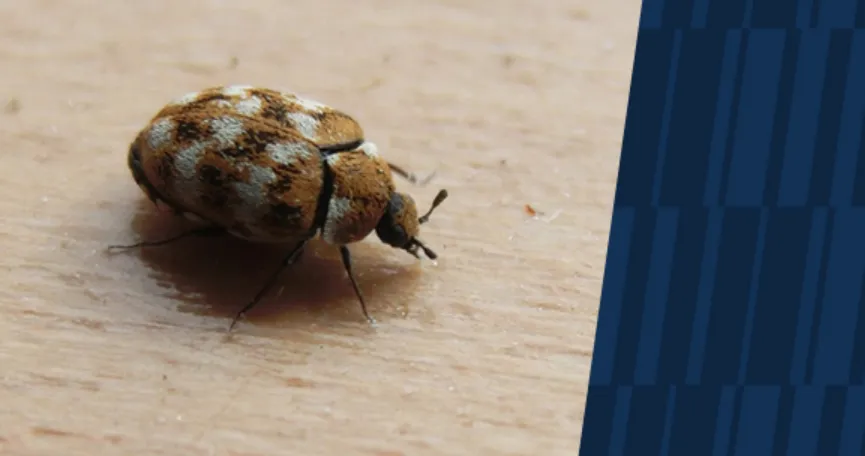
- The varied carpet beetle adult often has mottled patterns of light, dark, and brownish scales.
- Larvae often hide in places people rarely clean, such as under furniture, along closet edges, baseboards, and air ducts.
- Carpet beetles can be pests indoors, but they are useful recyclers in nature.
Frequently Asked Questions (FAQs)
Q: What is the carpet beetle life cycle?
A: The carpet beetle life cycle has four stages: egg, larva, pupa, and adult. The female lays eggs near food sources; larvae hatch and feed; pupae transform; and adults emerge to mate and reproduce.
Q: Are carpet beetle larvae dangerous?
A: Carpet beetle larvae are not dangerous in the way biting insects are, but they can damage wool, silk, fur, feathers, leather, and stored natural materials. Their hair may also irritate sensitive skin.
Q: Do carpet beetles bite people?
A: No. The idea of carpet beetle bites is mostly a misunderstanding. Carpet beetles do not feed on blood. Skin irritation is usually linked to larval hairs or shed skins, not biting.
Q: Where do carpet beetles lay eggs?
A: They lay eggs in hidden places near larval food. Common sites include closets, cracks, baseboards, under furniture, stored clothes, lint, pet hair, air ducts, and natural-fiber materials.
Q: How can I identify a carpet beetle larva?
A: A carpet beetle larva is usually small, brownish, segmented, and covered with hairs or bristles. It moves slowly and often hides in dark places. Shed larval skins are also a common sign.
Conclusion
The carpet beetle life cycle is a fascinating example of complete insect development, moving through egg, larva, pupa, and adult stages. While adult carpet beetles are often harmless flower visitors, the larvae can become serious indoor pests when they feed on wool, silk, fur, feathers, pet hair, leather, lint, and dead insects. Understanding the difference between adults and larvae is the key to proper identification and control.
At the same time, carpet beetles are not simply “bad insects.” In nature, they help recycle dry animal materials and support the food web. The best approach is balanced: protect their natural ecological role outdoors while preventing indoor infestations through cleanliness, proper storage, regular inspection, and careful management. By learning their life cycles, diets, lifespans, and behaviors, you can understand these insects clearly and respond to them wisely.
Also Read: angiosperm life cycle