
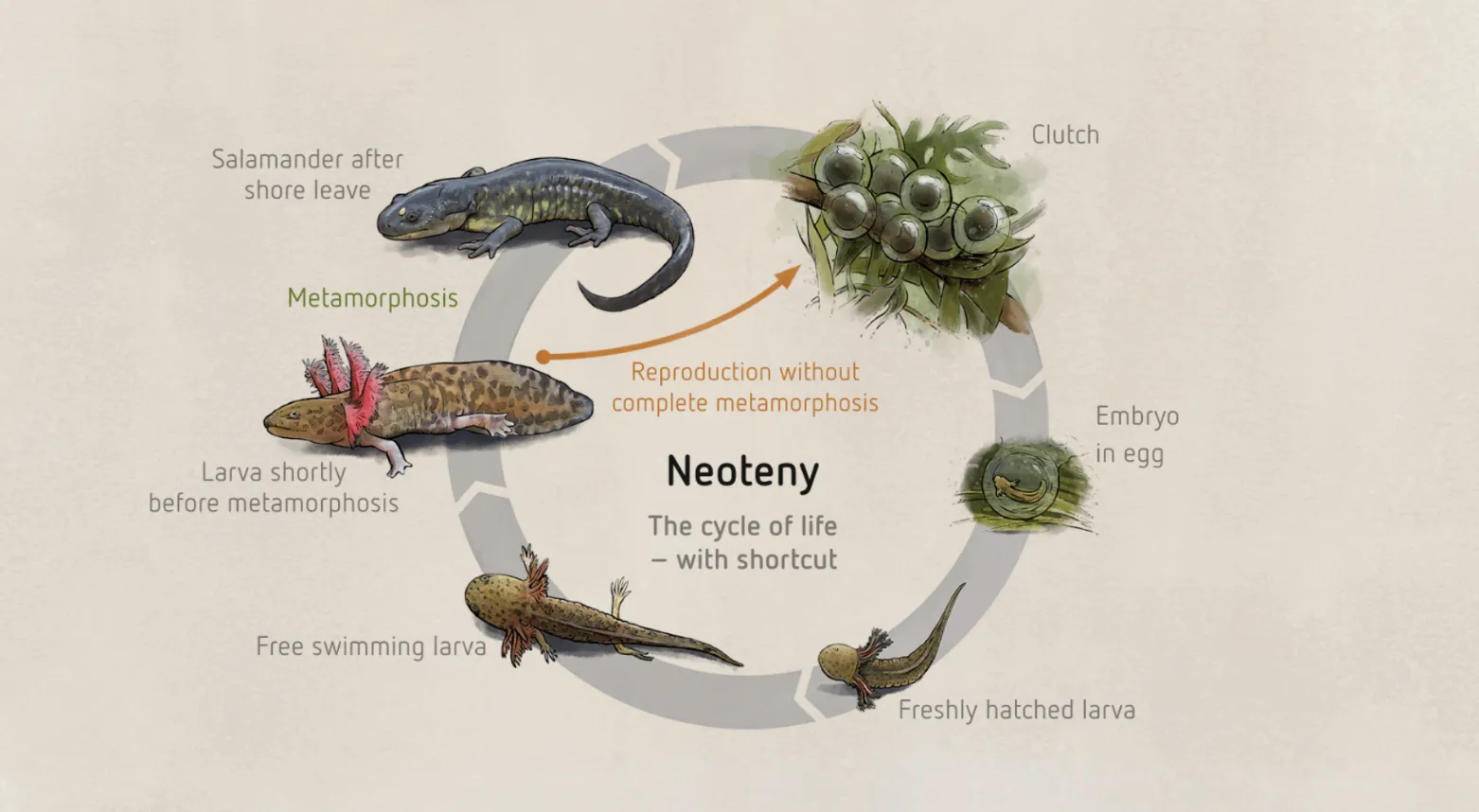
The salamander life cycle is one of nature’s most fascinating transformations, showcasing incredible adaptability and survival strategies. Salamanders are amphibians, meaning they live both in water and on land, and their life cycle reflects this dual lifestyle. From tiny eggs laid in moist environments to fully grown adults capable of regenerating body parts, salamanders have evolved unique biological traits that set them apart in the animal kingdom.
Across the globe, species like the tiger salamander, fire salamander, and spotted salamander exhibit variations in life-cycle stages depending on habitat and climate. Understanding their life cycle not only helps us appreciate biodiversity but also highlights their critical role in ecosystems.
Quick Answers (Most Common Questions)
- What are the stages of a salamander’s life cycle?
- Egg → Larva → Juvenile (metamorphosis stage) → Adult.
- How long does a salamander live?
- Depending on the species, salamanders can live between 5 and 25 years.
- Do all salamanders go through metamorphosis?
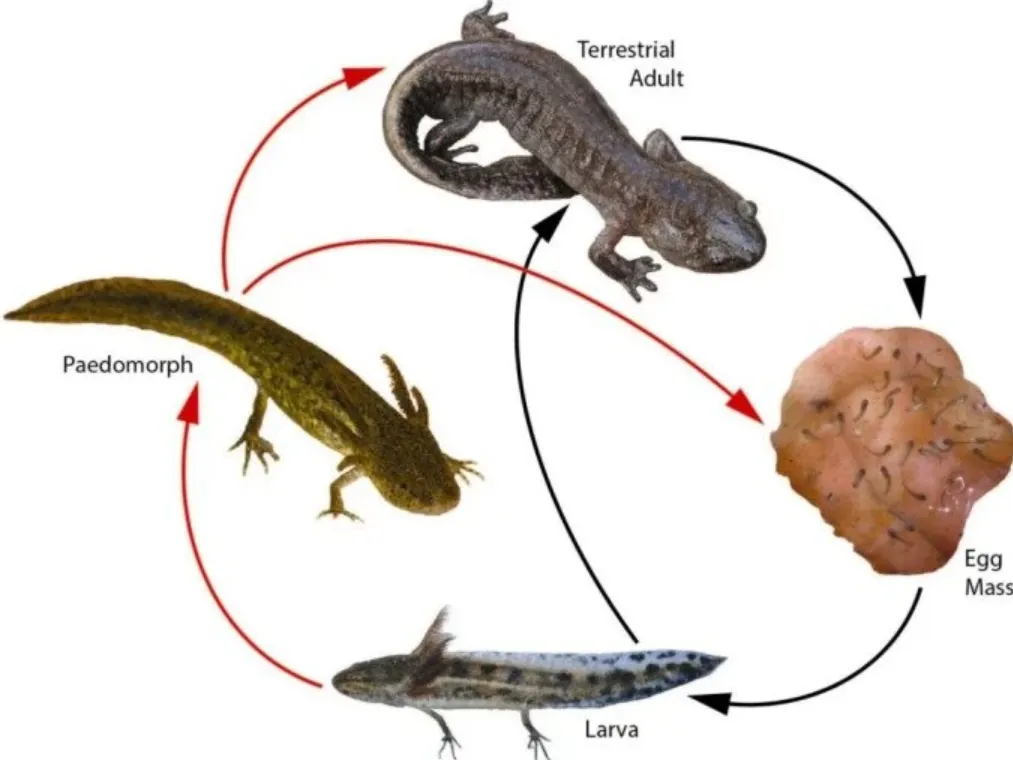
- Most do, but some species remain in a larval state throughout life (a process called neoteny).
Quick Life Cycle Table
| Stage | Description | Duration |
| Egg | Laid in water or moist soil; protected by a gelatinous coating | 1–4 weeks |
| Larva | Aquatic stage with gills; feeds actively | 2–6 months |
| Juvenile | Undergoes metamorphosis; develops lungs and limbs | A few weeks to months |
| Adult | Fully developed; capable of reproduction and land survival | Several years |
The History Of Their Scientific Naming
- Salamanders belong to the order Urodela (or Caudata), derived from Greek words meaning “visible tail.”
- The term “salamander” originates from ancient Greek mythology, where these creatures were believed to live in fire.
- Early naturalists, such as Carl Linnaeus, classified salamanders in the 18th century, laying the foundation for modern taxonomy.
- Scientific naming evolved as more species were discovered, leading to families like Ambystomatidae (tiger salamanders) and Salamandridae (fire salamanders).
- Advances in genetics have refined classification, revealing evolutionary relationships among species.
This historical progression shows how scientific understanding of salamanders has deepened over centuries, moving from myth to molecular biology.
Their Evolution And Their Origin
Salamanders have a long evolutionary history dating back over 160 million years to the Jurassic period. Fossil evidence suggests that early salamander-like amphibians adapted to both aquatic and terrestrial environments, giving them a survival advantage.
Their origin is closely tied to ancient amphibians that first transitioned from water to land. Unlike many other amphibians, salamanders retained primitive features such as elongated bodies and tails, which have remained relatively unchanged over time.
One of the most remarkable evolutionary traits is their regenerative ability. Salamanders can regrow limbs, spinal cords, and even parts of their heart and brain. This ability has made them a key subject in scientific research, especially in regenerative medicine.
Environmental changes over millions of years led to diversification. Species adapted to forests, wetlands, deserts, and even caves. For example, the spotted salamander thrives in moist woodlands, while cave-dwelling species evolved reduced eyesight.
Their evolutionary success is largely due to adaptability, slow metabolism, and the ability to survive harsh conditions. Today, salamanders are considered living fossils, offering insight into early vertebrate evolution.
Their Main Food and Its Collection Process
Salamanders are carnivorous and rely on a wide range of prey to sustain their energy needs.
Main Food Sources
- Insects (beetles, ants, flies)
- Worms and slugs
- Small crustaceans (for aquatic species)
- Tiny fish or amphibians (in larger species)
Collection Process
- Ambush Hunting: Salamanders often remain still, waiting for prey to come close.
- Sticky Tongue Capture: Like frogs, many species use a fast, sticky tongue to catch insects.
- Nocturnal Activity: Most salamanders hunt at night to avoid predators and conserve moisture.
- Moist Habitat Advantage: Wet environments help them move silently and detect prey through vibrations.
Their feeding habits play a vital role in controlling insect populations, making them beneficial for ecosystems.
Their Life Cycle and Ability to Survive in Nature
Egg Stage
Salamanders lay eggs in water or damp soil. The gelatinous coating protects embryos from drying out.
Larval Stage
Larvae resemble small fish with external gills. They are fully aquatic and feed actively to grow quickly.
Metamorphosis Stage
During this stage, salamanders develop lungs, lose gills, and adapt to terrestrial life.
Adult Stage
Adults can live on land or return to water for breeding. Their skin must remain moist for respiration.
Salamanders survive through:
- Camouflage to avoid predators
- Moist habitats to prevent dehydration
- Regeneration to recover from injuries
Their Reproductive Process and Raising Their Children
- Salamanders reproduce through internal or external fertilization, depending on species.
- Males often deposit a spermatophore, which females pick up to fertilize eggs.
- Eggs are laid in clusters in water or moist environments.
- Some species guard their eggs, ensuring protection from predators.
- Larvae hatch and are independent from birth, receiving no parental care in most cases.
- In rare species, mothers remain nearby to protect offspring until hatching.
This reproductive strategy ensures survival despite environmental challenges.
Importance of Them in this Ecosystem
Natural Pest Control
Salamanders consume large numbers of insects, helping maintain ecological balance.
Indicator Species
They are highly sensitive to environmental changes, making them indicators of ecosystem health.
Nutrient Cycling
By feeding and being prey, salamanders contribute to nutrient transfer in ecosystems.
Biodiversity Support
They support food webs, serving as prey for birds, snakes, and mammals.
What to do to protect them in nature and save the system for the future
- Protect wetlands and forest habitats
- Reduce pesticide use to prevent contamination
- Maintain clean water sources
- Avoid disturbing breeding sites
- Support conservation programs
- Educate communities about the importance of amphibians
- Prevent deforestation
- Monitor climate change impacts
Important Things That You Need To Know
Salamanders are incredibly diverse, and several related terms often appear when discussing them. Let’s explore key concepts:
Tiger Salamander
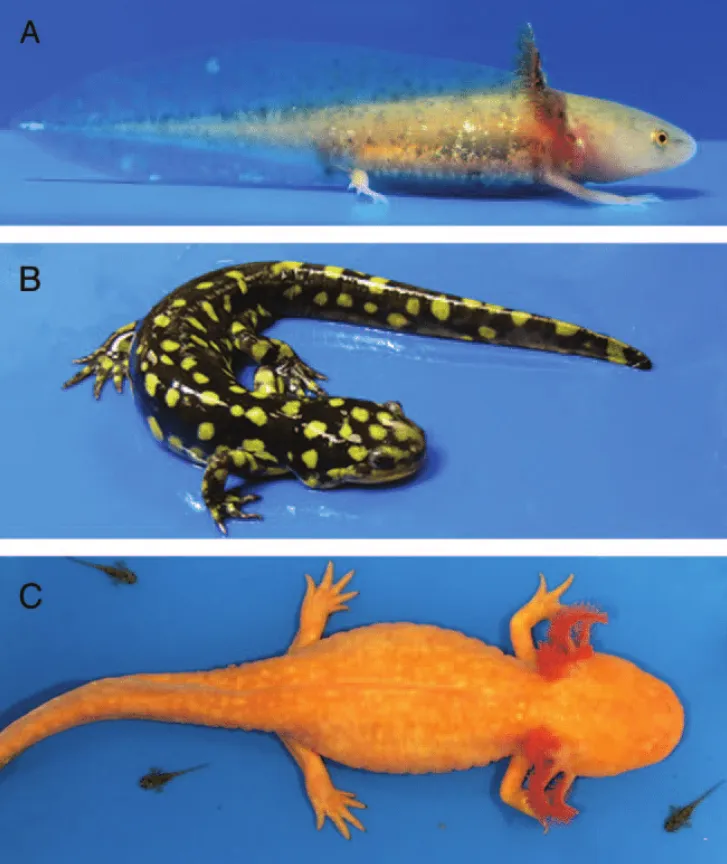
The tiger salamander is one of the largest terrestrial salamanders in North America. It has a bold striped pattern and can live both underground and in water.
Fire Salamander
The fire salamander is famous for its striking black-and-yellow coloration. It secretes toxins as a defense mechanism against predators.
Spotted Salamander
The spotted salamander is known for its yellow spots and symbiotic relationship with algae, which helps oxygenate its eggs.
Salamander Regenerative Ability
One of the most remarkable traits is their regenerative power. Scientists study this ability to understand tissue repair in humans.
Salamander Heater & Salamander Resort
While unrelated biologically, terms like salamander heater (a cooking device) and salamander resort (a luxury hotel) share the name but not the biological context.
These keywords highlight the wide cultural and scientific relevance of salamanders.
Frequently Asked Questions (FAQs)
- How many stages are in a salamander’s life cycle?
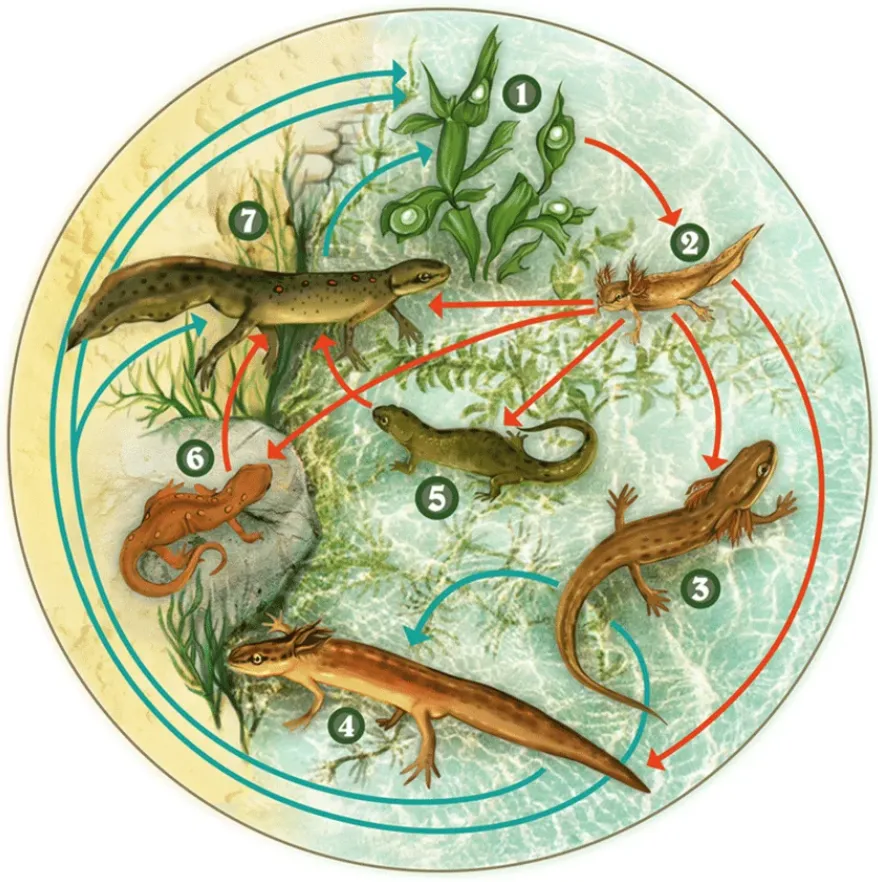
- Four main stages: egg, larva, juvenile, and adult.
- Where do salamanders lay eggs?
- In water or moist environments, like under logs or leaves.
- Can salamanders live without water?
- Some species can, but they still need moisture to survive.
- What makes salamanders unique?
- Their ability to regenerate limbs and organs.
- Are salamanders dangerous to humans?
- Most are harmless, though some secrete mild toxins.
- How long does metamorphosis take?
- It varies but usually takes weeks to months.
- Why are salamanders important?
- They help control insects and indicate environmental health.
- Do salamanders care for their young?
- Most do not, but some species guard their eggs.
Conclusion
The salamander life cycle is a remarkable example of nature’s adaptability and resilience. From delicate eggs to fully grown adults capable of regeneration, salamanders demonstrate evolutionary brilliance. Their ability to thrive in both aquatic and terrestrial environments highlights their unique role among amphibians.
Beyond their biological fascination, salamanders are essential for maintaining ecological balance. They regulate insect populations, serve as indicators of environmental health, and contribute to biodiversity. However, habitat loss, pollution, and climate change threaten their survival.
By understanding their life cycle and ecological importance, we can take meaningful steps to protect them. Conservation efforts, habitat preservation, and public awareness are crucial to ensuring these extraordinary creatures continue to thrive for future generations.
Also Read: animal life cycle