
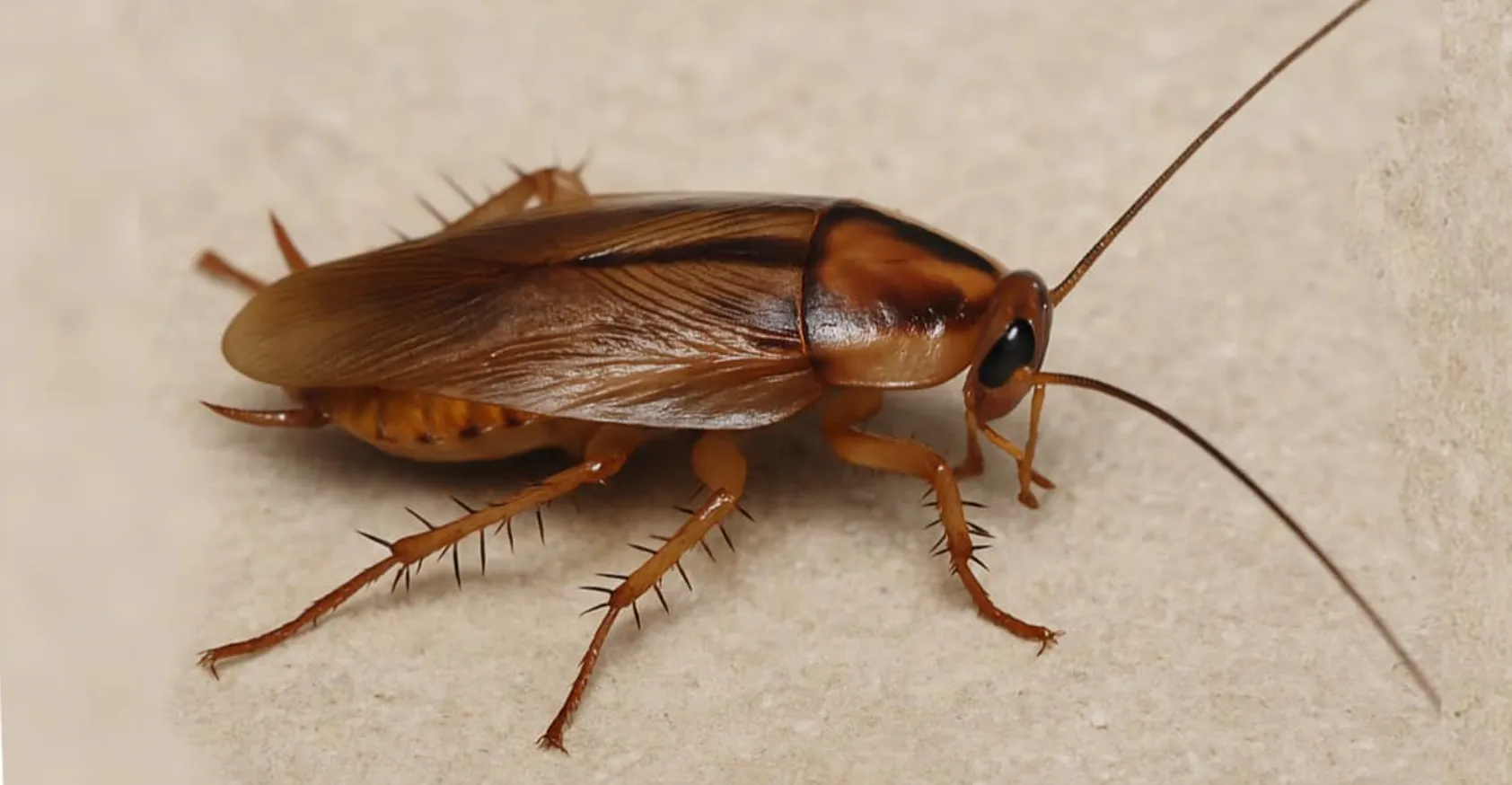
The roach life cycle is one of the most fascinating survival systems in the insect world. Roaches, commonly known as cockroaches, have existed for over 300 million years, making them one of the oldest living species on Earth. Their ability to adapt, reproduce quickly, and survive extreme conditions makes them incredibly resilient.
Understanding the roach life cycle is essential not only for scientific knowledge but also for effective pest control and environmental awareness. From egg to adult, each stage plays a crucial role in their survival and rapid population growth.
Quick Answers (Most Common Questions)
1. How long is the roach life cycle?
The complete life cycle of a roach typically ranges from 3 months to over 1 year, depending on the species and environmental conditions.
2. How many eggs does a roach lay?
A single female roach can produce 200–300 offspring in her lifetime through multiple egg cases.
3. Why are roaches so hard to eliminate?
Roaches reproduce quickly, have strong survival instincts, and are resistant to many chemicals, making them difficult to control.
Quick Life Cycle Table
| Stage | Description | Duration |
| Egg (Ootheca) | Egg case containing multiple embryos | 1–2 months |
| Nymph | Immature roach resembling a small adult | 2–6 months |
| Adult | Fully grown, capable of reproduction | 6 months – 1+ year |
The History Of Their Scientific Naming
- Roaches belong to the order Blattodea, which also includes termites.
- The term “cockroach” comes from the Spanish word “cucaracha.”
- Scientists classify roaches into over 4,600 species worldwide, though only about 30 are considered pests.
- The genus Periplaneta includes common species, such as the American cockroach.
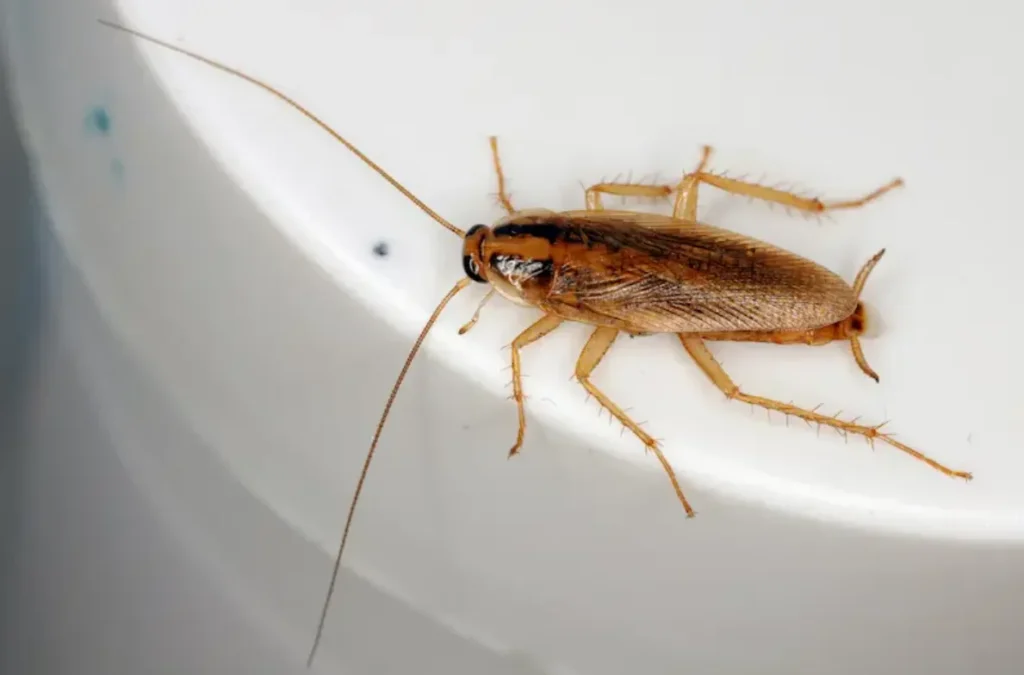
- The German cockroach, scientifically known as Blattella germanica, is one of the most widespread indoor pests.
- Early classification placed roaches separately, but modern taxonomy groups them closer to termites due to genetic similarities.
- Fossil records show roaches existed during the Carboniferous period, over 300 million years ago.
These scientific insights highlight how ancient and adaptable roaches truly are.
Their Evolution And Their Origin
Roaches are among the oldest insects on Earth, with fossil evidence dating back more than 300 million years. They first appeared during the Carboniferous period, long before dinosaurs existed.
Their early ancestors lived in warm, humid environments and had body structures similar to those of modern roaches. Over time, they evolved to adapt to diverse habitats, including forests, caves, and eventually human settlements.
One key factor in their survival is their simple yet efficient body design. Roaches have a flattened body, allowing them to hide in tight spaces, and a hard exoskeleton that protects them from predators.
Another evolutionary advantage is their omnivorous diet, enabling them to survive on almost any organic material. This flexibility allowed them to thrive even during mass extinction events.
Roaches also developed advanced sensory systems, including highly sensitive antennae, which help them detect food, danger, and environmental changes.
Today, their evolution continues as they adapt to urban environments. Some species have even developed resistance to pesticides, showcasing their remarkable ability to survive and evolve.
Their Main Food and Its Collection Process
Roaches are scavengers and opportunistic feeders, meaning they consume almost anything available.
Main Food Sources
- Decaying organic matter
- Food scraps and leftovers
- Paper and cardboard
- Grease and oils
- Dead insects
- Human waste
Food Collection Process
- Using Antennae: Roaches use their antennae to detect food from a distance.
- Night Activity: They are mostly nocturnal, feeding at night to avoid predators.
- Chemical Signals: Roaches leave pheromone trails to guide others to food sources.
- Quick Consumption: They eat rapidly to minimize exposure to danger.
- Adaptability: If food is scarce, they can survive on minimal nutrients or even non-food items like glue.
Their flexible diet is one of the main reasons they thrive in both natural and urban environments.
Their Life Cycle and Ability to Survive in Nature
Egg Stage
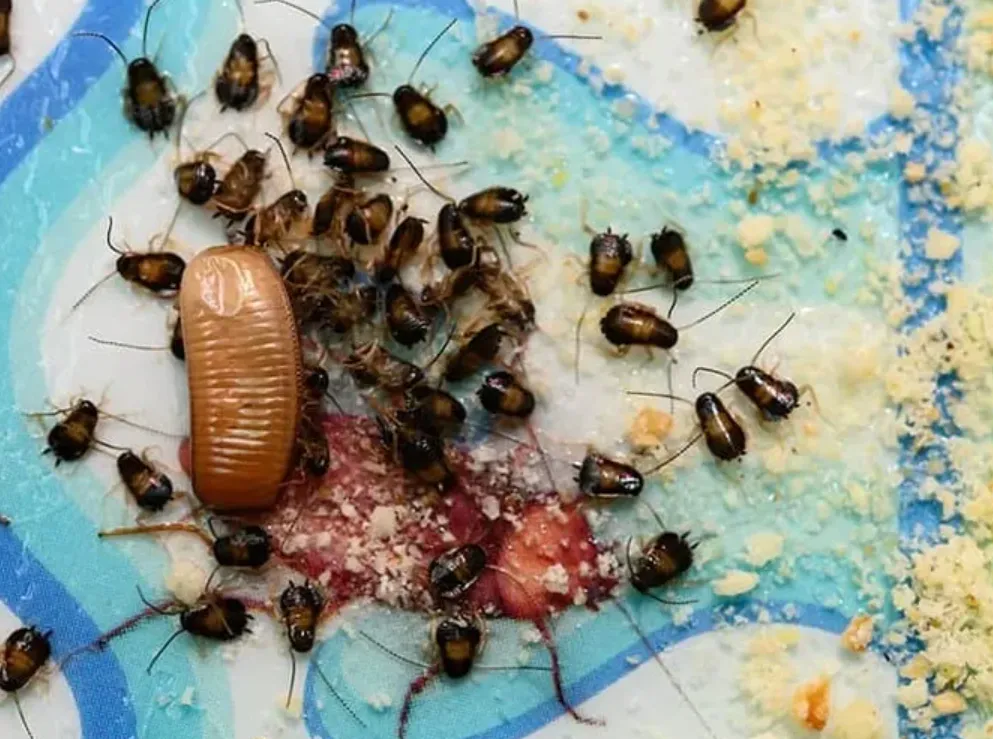
Female roaches produce egg cases called oothecae, which contain multiple eggs. These cases are often hidden in safe locations.
Nymph Stage
After hatching, nymphs resemble small, wingless adults. They molt several times as they grow.
Adult Stage
Adult roaches (in some species) develop wings and become capable of reproduction.
Survival Abilities
- Extreme Adaptation: Roaches can survive in a wide range of climates.
- Radiation Resistance: They can withstand higher levels of radiation than humans.
- Food Independence: They can live weeks without food.
- Water Dependency: While they need water, they can survive days without it.
- Fast Movement: Their speed helps them escape predators quickly.
These traits make roaches one of the most resilient creatures in nature.
Their Reproductive Process and Raising Their Children
- Female roaches produce oothecae (egg cases) containing multiple eggs.
- Some species carry the egg case until it hatches, while others hide it.
- Eggs hatch into nymphs within weeks.
- Nymphs undergo molting, shedding their exoskeleton multiple times.
- Unlike mammals, roaches do not provide parental care after hatching.
- Survival depends on instinct and environmental conditions.
- Rapid reproduction allows populations to grow quickly.
This efficient reproductive system ensures their long-term survival.
Importance of Them in this Ecosystem
Decomposition Role
Roaches help break down organic matter, recycling nutrients back into the soil.
Food Source
They serve as food for birds, reptiles, and other insects.
Soil Enrichment
Their waste contributes to soil fertility.
Biodiversity Balance
Roaches play a role in maintaining ecological balance.
What to Do to Protect Them in Nature and Save the System for the Future
- Preserve natural habitats like forests and wetlands
- Avoid excessive pesticide use
- Promote ecological balance
- Educate people about their environmental role
- Encourage sustainable waste management
- Support biodiversity conservation programs
- Reduce pollution that harms insect populations
- Maintain natural food chains
Protecting roaches in nature helps maintain ecological stability.
Important Things That You Need To Know
The term “roach” is often used in different contexts beyond insects, which can be confusing.
Understanding Different Uses of the Word “Roach”
- Roach is commonly used in everyday language to refer to cockroaches.
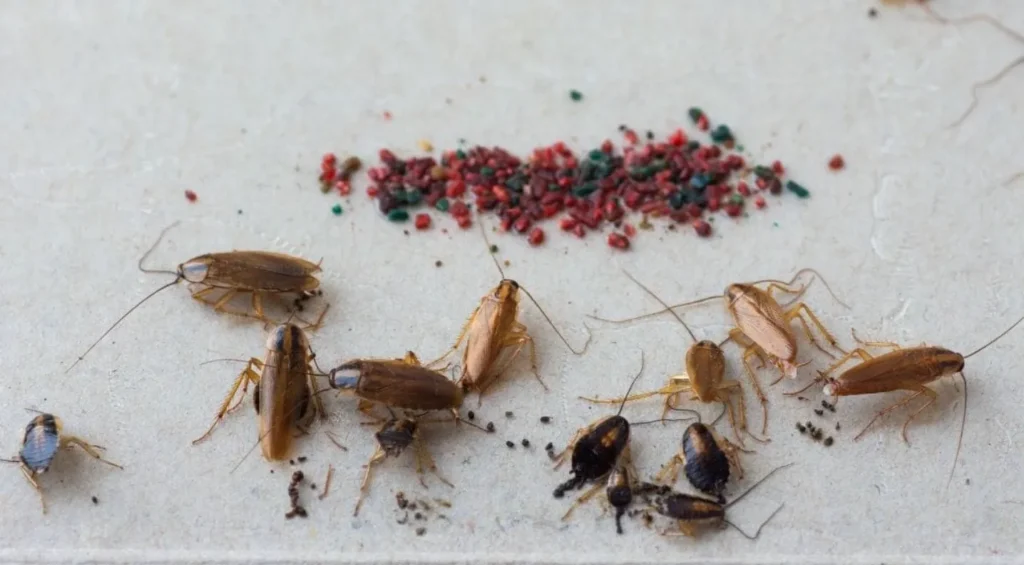
- Roach killer products are widely used to control infestations in homes.
- In sports, terms like pitbull vs roach and Davis vs. roach refer to boxing matches, not insects.
- roach poop is a key indicator of infestation and looks like small black specks.
- roach eggs are contained in protective cases called oothecae.
Why These Terms Matter
Understanding these variations helps avoid confusion, especially when searching for information online. For example, someone searching for “roach” might encounter pest control tips, boxing results, or biological data.
Roach Control vs Ecology
While roach killer solutions are important for hygiene, it’s equally important to understand their ecological role. Balance is key.
Frequently Asked Questions (FAQs)
1. What are the stages of the roach life cycle?
Egg, nymph, and adult are the three main stages.
2. How fast do roaches reproduce?
Very quickly, one female can produce hundreds of offspring.
3. Where do roaches lay eggs?
In hidden, सुरक्षित areas like cracks and crevices.
4. What do roach eggs look like?
They are enclosed in brown capsule-like cases.
5. How can you identify roach poop?
Small black or brown droppings resembling coffee grounds.
6. Are roaches harmful to humans?
Yes, they can spread bacteria and trigger allergies.
7. What is the best roach killer?
Gel baits, traps, and professional pest control are effective.
8. Can roaches survive without food?
Yes, they can survive for weeks without food.
Conclusion
The roach life cycle is a remarkable example of nature’s resilience and adaptability. From their ancient origins to their modern-day survival in urban environments, roaches have proven to be one of the most enduring species on Earth.
Each stage of their life cycle—from egg to adult—is designed for efficiency and survival. Their rapid reproduction, flexible diet, and ability to withstand harsh conditions make them incredibly successful.
While they are often seen as pests, roaches also play an important role in ecosystems by aiding decomposition and supporting food chains. Understanding their biology helps us manage infestations more effectively while appreciating their ecological significance.
Also Read: carpet beetle life cycle