
The animal life cycle is one of the most fascinating processes in nature. It explains how animals grow, reproduce, and survive across generations. From tiny insects to massive mammals, every species follows a unique life cycle pattern shaped by evolution and environmental conditions. Understanding the life cycle helps scientists, students, and nature lovers appreciate how ecosystems stay balanced.
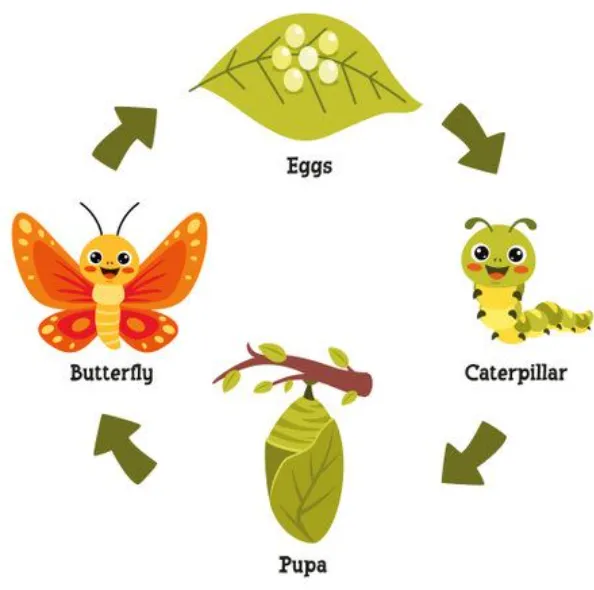
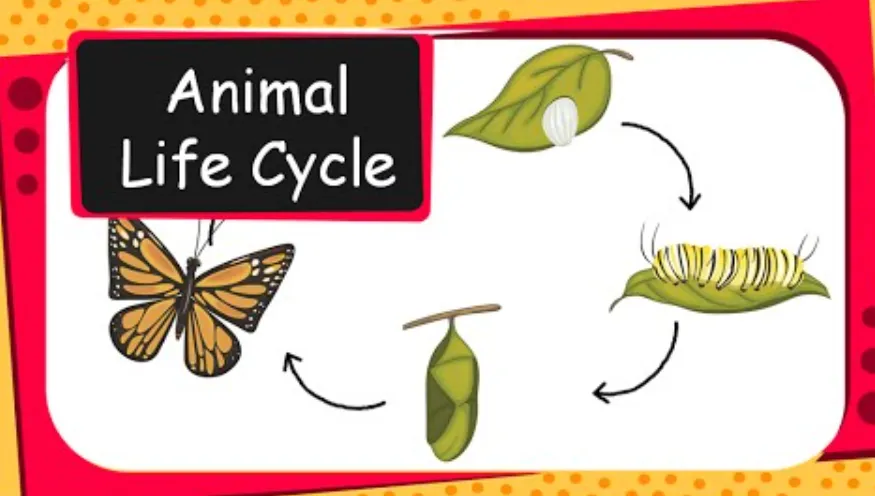
In general, an Animal’s life cycle includes stages such as birth, growth, reproduction, and death. However, these stages vary widely across species. For example, insects like butterflies undergo complete metamorphosis, while mammals undergo gradual growth.
Quick Answers (Most Common Questions)
1. What is an animal’s life cycle?
An animal’s life cycle is the series of stages it passes through from birth to reproduction and, eventually, death.
2. Why is the animal life cycle important?
It helps maintain ecological balance and ensures the continuation of species.
3. Do all animals have the same life cycle?
No, different animals have different life cycles depending on their biology and environment.
Quick Life Cycle Table
| Stage | Description |
| Birth/Hatching | An animal begins life (born alive or hatched from eggs) |
| Growth | The body develops and matures physically |
| Development | Behavioural and biological changes occur |
| Reproduction | An animal produces offspring |
| Aging | Physical decline begins |
| Death | End of the life cycle |
The History Of Their Scientific Naming
Scientific naming, also known as binomial nomenclature, plays a crucial role in identifying animals and understanding their life cycles.
- Developed by Carl Linnaeus in the 18th century, this system assigns each animal a two-part name: genus and species.
- It ensures global consistency, allowing scientists worldwide to study animal life cycles without confusion.
- For example, humans are scientifically named Homo sapiens.
- Scientific naming helps classify animals based on similarities, which often reflect their life cycle patterns.
- It also allows researchers to trace evolutionary relationships between species.
- Over time, naming systems have been updated using genetic data, improving accuracy.
- This classification helps scientists predict behaviours such as reproduction, feeding habits, and survival strategies.
Overall, scientific naming has become essential for understanding the diversity and complexity of animal life cycles.
Their Evolution And Their Origin
The evolution and origin of animal life cycles are deeply connected to Earth’s history. Animals first appeared around 600 million years ago, during the Precambrian period. Early organisms were simple, but over time, they evolved into complex life forms.
Natural selection played a major role in shaping life cycles. Animals adapted their reproductive strategies to survive in different environments. For example, aquatic animals developed egg-laying strategies, while land animals evolved internal fertilisation.
Some species developed metamorphosis, a process where animals undergo dramatic physical changes. This adaptation allows different life stages to occupy different ecological niches, reducing competition for resources.
Environmental factors such as climate, predators, and food availability influenced the evolution of life cycles. Animals that could reproduce efficiently and protect their offspring had a higher chance of survival.
Over millions of years, these adaptations led to the diverse life cycles we see today—from insects with rapid transformations to mammals with long developmental periods.
Important Things That You Need To Know
Understanding the broader concept of the animal life cycle requires exploring related ideas, also known as LSI (Latent Semantic Indexing) keywords. These help deepen knowledge and improve comprehension.
One important aspect is animal growth stages, which describe how animals develop from infancy to adulthood. Another is metamorphosis, especially common in insects like butterflies and frogs, where the transformation is dramatic and essential for survival.
The life cycle of animals, such as frogs, chickens, and butterflies, provides practical insights into how different species grow and reproduce. Additionally, the concept of the animal reproduction process explains how offspring are produced and nurtured.
Finally, understanding stages of animal development helps us learn how environmental factors influence growth and survival.
These concepts are interconnected and provide a complete picture of how animals live, adapt, and evolve in nature. Learning them enhances both academic knowledge and environmental awareness.
Their Main Food and Its Collection Process
Animals depend on food for energy, growth, and reproduction. Their feeding habits vary widely depending on species.
- Herbivores eat plants and use grazing or browsing techniques.
- Carnivores hunt prey using speed, strength, or stealth.
- Omnivores consume both plants and animals, offering dietary flexibility.
- Some animals use specialised feeding strategies, such as filter feeding in whales or nectar feeding in butterflies.
- Food collection often involves adaptations like sharp teeth, claws, or long tongues.
- Many animals store food for future use, such as squirrels storing nuts.
- Social animals like wolves hunt in groups to increase success rates.
These feeding strategies directly influence the animal life cycle, as nutrition affects growth, reproduction, and survival.
Their Life Cycle and Ability to Survive in Nature
Birth or Hatching
Animals begin life either by being born or hatching from eggs. This stage is critical for survival.
Growth and Development
Young animals grow rapidly and learn essential survival skills such as finding food and avoiding predators.
Maturity
At this stage, animals become capable of reproduction. Physical and behavioural traits are fully developed.
Reproduction
Animals produce offspring to continue their species. This stage ensures population stability.
Adaptation and Survival
Animals adapt to environmental changes using behaviours, camouflage, or migration.
Survival depends on factors such as food availability, habitat, and protection from predators. Strong survival strategies ensure the continuation of the species.
Their Reproductive Process and Raising Their Children
Reproduction is a vital part of the animal life cycle, ensuring the survival of the species.
- Animals reproduce either sexually or asexually.
- Many species use mating rituals to attract partners.
- Fertilisation can be internal or external, depending on the species.
- Some animals lay eggs, while others give birth to live young.
- Parental care varies widely—mammals often provide extensive care, while many reptiles do not.
- Birds build nests and feed their young until they can fly.
- Some species, such as fish, produce many offspring with minimal parental care.
Raising offspring successfully increases survival rates and ensures the continuation of the species.
Importance of Them in this Ecosystem
Maintaining Food Chains
Animals play a key role in food chains, balancing predator and prey populations.
Pollination and Seed Dispersal
Many animals, like bees and birds, help plants reproduce.
Nutrient Recycling
Decomposers break down dead organisms, returning nutrients to the soil.
Biodiversity Support
A diverse range of animal life cycles supports ecosystem stability.
Animals are essential for maintaining ecological balance and ensuring a healthy environment.
What to Do to Protect Them in Nature and Save the System for the Future
- Protect natural habitats such as forests, oceans, and wetlands
- Reduce pollution and waste to prevent environmental damage
- Support wildlife conservation programs
- Avoid hunting and illegal wildlife trade
- Plant trees and maintain green spaces
- Educate others about animal life cycles and conservation
- Reduce carbon footprint to combat climate change
- Support sustainable agriculture and fishing practices
Taking these steps helps preserve animal life cycles and ensures a balanced ecosystem for future generations.
Frequently Asked Questions (FAQs)
1. What are the stages of an animal’s life cycle?
Birth, growth, reproduction, ageing, and death.
2. What is metamorphosis?
A transformational process in which animals change form during development.
3. Why do animals reproduce?
To ensure the survival of their species.
4. Do all animals lay eggs?
No, some animals give birth to live young.
5. How does food affect the life cycle?
Proper nutrition supports growth and reproduction.
6. What is the longest animal life cycle?
Some animals, like tortoises, can live for over 100 years.
7. How do animals adapt to survive?
Through behaviours, physical traits, and environmental adjustments.
8. Why is studying animal life cycles important?
It helps us understand ecosystems and biodiversity.
Conclusion
The animal life cycle is a remarkable journey that highlights the complexity and beauty of nature. From birth to reproduction, each stage plays a vital role in maintaining ecological balance. Different species have evolved unique strategies to survive and thrive in their environments, showcasing the power of adaptation and evolution.
Understanding animal life cycles not only enhances scientific knowledge but also encourages environmental responsibility. As human activities continue to impact ecosystems, protecting wildlife and their habitats becomes more important than ever.
By learning about these processes and taking action to conserve nature, we can ensure that future generations continue to witness the diversity and wonder of animal life.
Also Read : angiosperm life cycle